On the road
The Cook Strait ferry, without the surprises
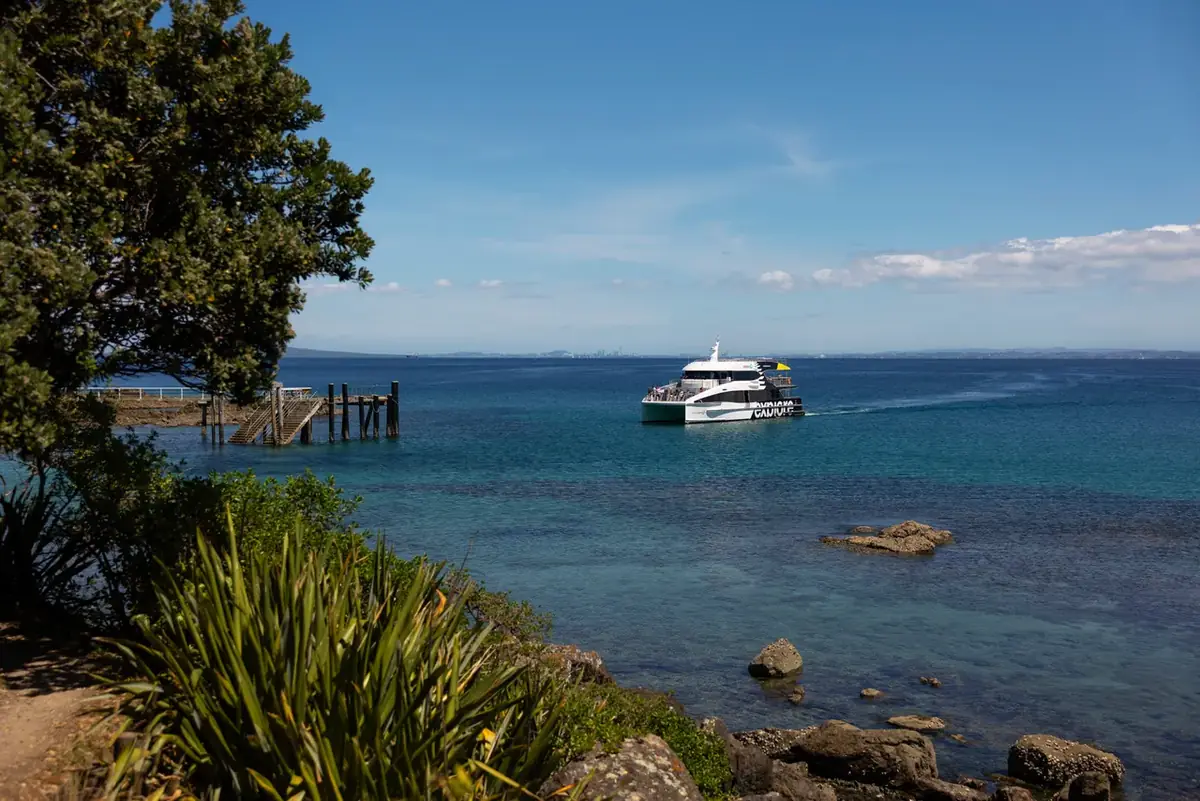
The ferry between Wellington and Picton is three and a half hours, and the final hour, threading the Marlborough Sounds, is legitimately one of the best scenic passages in the country. It is also the single piece of New Zealand logistics most likely to bite the unprepared, because vehicle spaces in summer sell out months before the beds do.
The basics
- Two operators run the strait: Interislander, the historic state-owned line, and Bluebridge, the independent. Both take cars, both take about 3.5 hours, both are perfectly good; Bluebridge’s terminal is closer to Wellington station, Interislander’s ships are larger.
- Multiple sailings daily each way, from early morning to overnight. The mid-morning sailing is the scenic pick: full daylight for the Sounds.
- Foot passengers can almost always get on. Cars are the constraint: December and January vehicle decks sell out two to three months ahead.
The rental car wrinkle everyone hits
Most major rental firms do not send their cars across the strait. Standard practice is drop-and-swap: return the car in Wellington, walk on as a foot passenger, collect an identical car in Picton (or reverse). It sounds clunky and is actually great: no vehicle fare, no car-deck queue, and the swap is built into the rental rates. When we arrange self-drive itineraries, the swap bookings and the sailing are one pre-matched set, which is exactly the fiddly bit people are paying us to delete.
Weather, plainly
Cook Strait has a deserved reputation: when a southerly blows, it is one of the rougher stretches of water anywhere, and a handful of sailings each year cancel or delay. Odds are heavily in your favour (the strait behaves on most days, and summer is calmer), but the professional move is never to book the ferry and an international flight on the same day. Cross the day before at minimum. If the forecast turns feral, both operators rebook without drama, and the flight-across alternative from Wellington takes 35 minutes.
The new ships, and what changes before they come
The government confirmed in late 2025 that Guangzhou Shipyard International will build two 200 metre, rail-enabled ferries for the Interislander run, each carrying up to 1,500 passengers with 2.4 kilometres of vehicle lanes, for service in 2029. Until then the strait runs on four ships across two operators, which is fine on a normal day and thin on a stormy one.
Book the ferry first, then the hotels. Every arranged itinerary we run across the strait holds the sailing and the car swap as one set, and it is the single booking that most often decides whether a two-island trip works.
Foot, car or campervan
| You cross as | Booking pressure | What to do |
|---|---|---|
| A foot passenger | Low; almost always a seat | Book a week out, take the mid-morning sailing for the Sounds |
| A rental car | None on the ship; the car stays on its own island | Drop in Wellington, walk on, collect in Picton; ask us to match the swap to the sailing |
| A campervan | The highest on the ship | Book the sailing the day you book the van, months ahead in summer |
| Your own vehicle | High in December and January | Two to three months ahead for summer car decks |
The ferry is the one booking a two-island trip cannot improvise. Everything else on the route can be booked a few weeks out.
Quick answers
Trips that fit
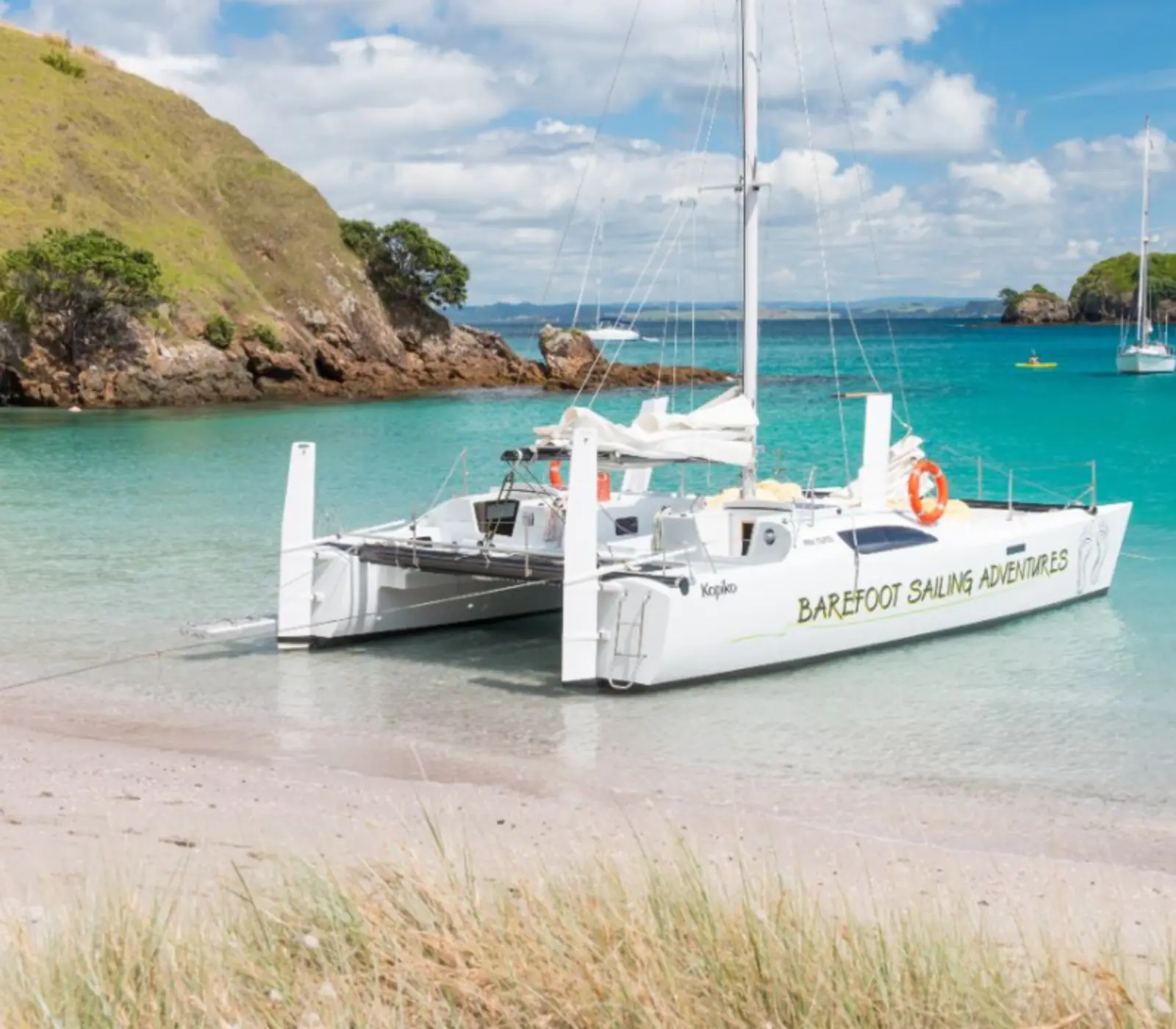
The Ultimate North-South Tour
30 days across both islands, from Auckland through to Christchurch, self drive, with every night booked ahead. Strong on classic driving tours.
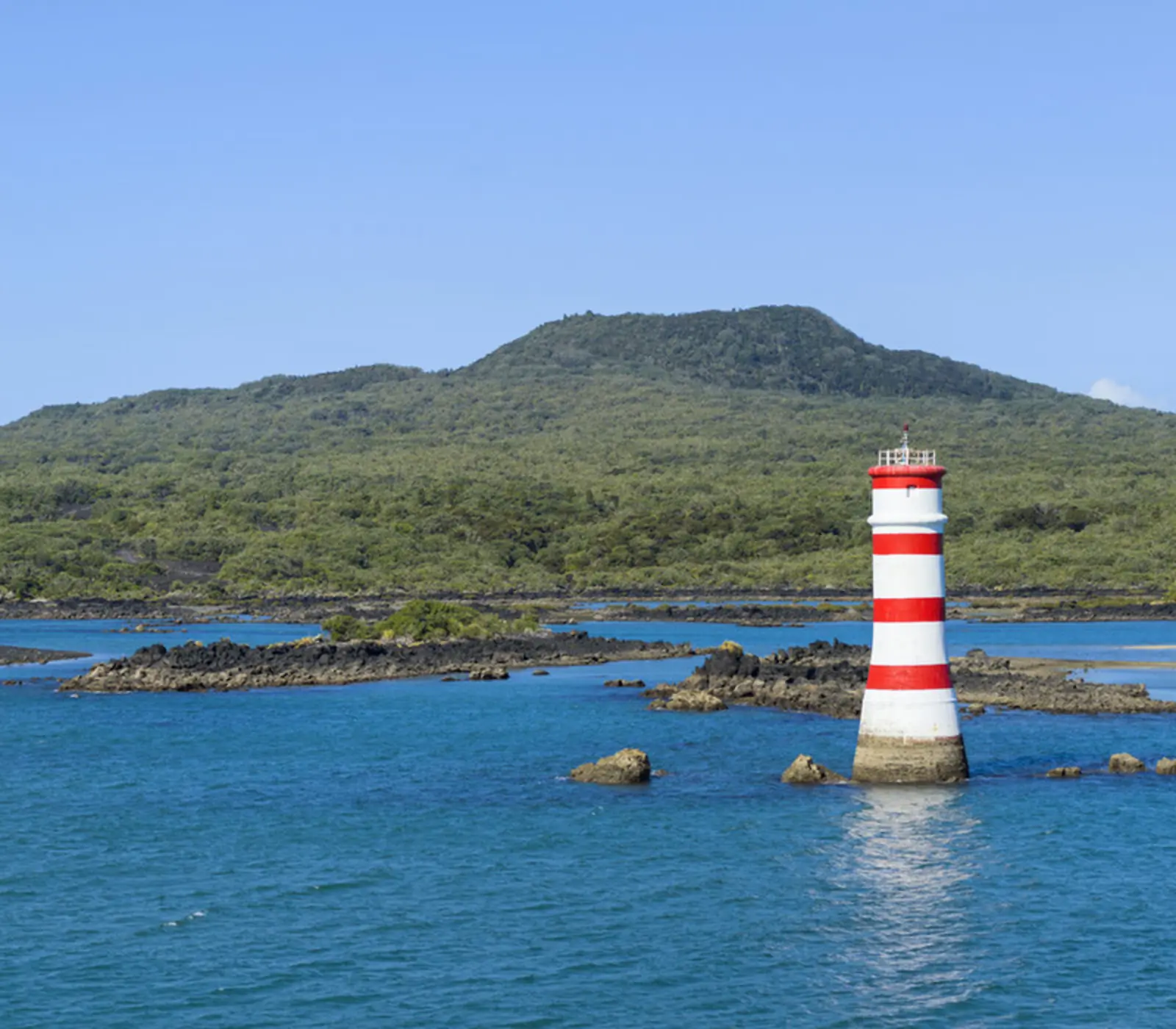
Grand New Zealand
23 days across both islands, from Auckland through to Christchurch, self drive, with every night booked ahead. Strong on classic driving tours.
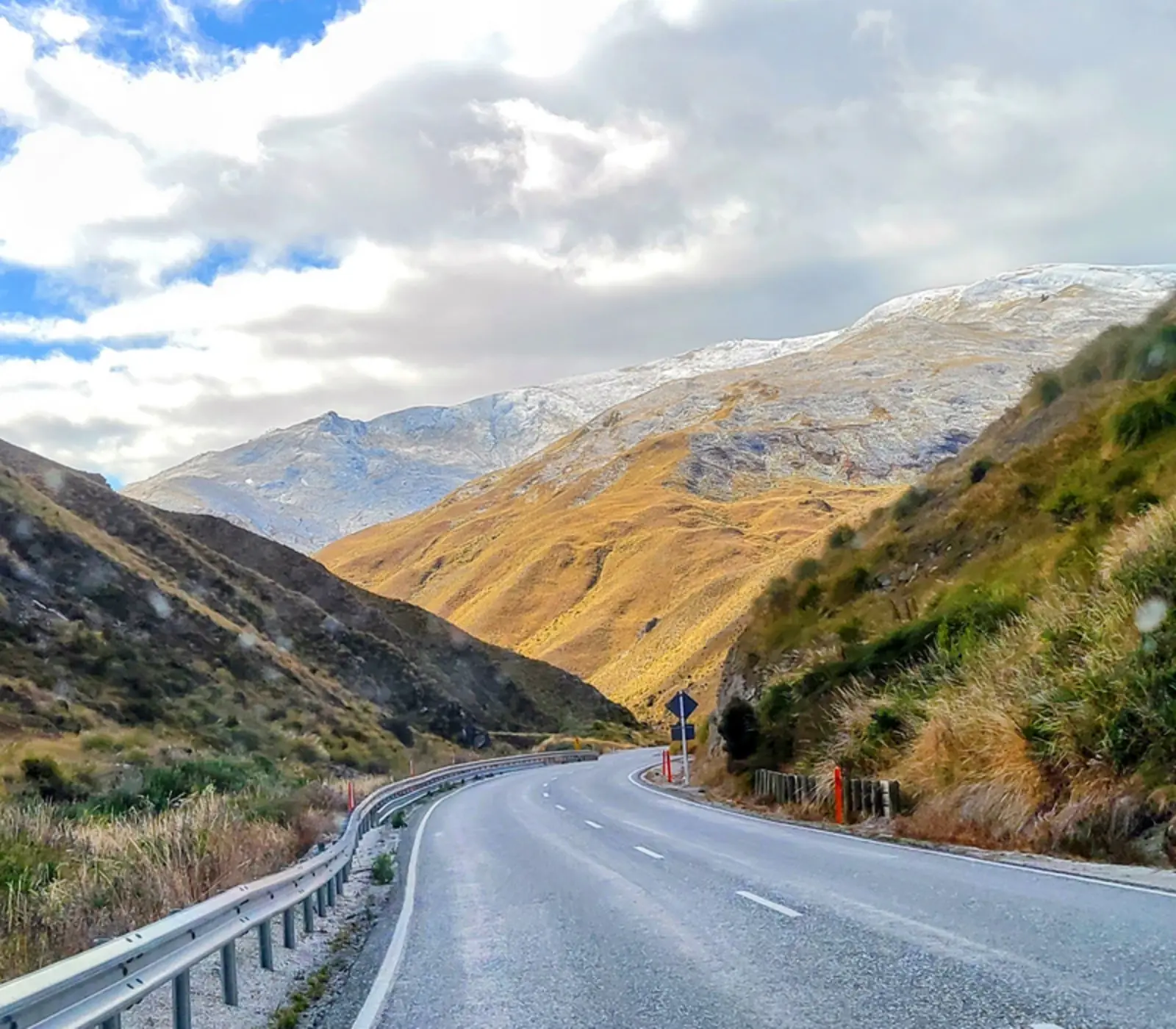
The Interisland Experience
7 days across both islands, Queenstown to Wellington, at your own pace behind the wheel. Strong on adventure.