Practical
New Zealand time difference from the US: the date line, jet lag and your first day

In the US winter, New Zealand is 18 hours ahead of New York and 21 hours ahead of Los Angeles. From the West Coast the easy way to think of it is "tomorrow, three hours earlier": 10am on a Tuesday in Los Angeles is 7am on Wednesday in Auckland. In the US summer, when New Zealand is on standard time, the gap shrinks to 16 hours from New York and 19 from Los Angeles.
It changes because the two countries move their clocks in opposite directions, on different weekends. The clock below works it out for today, and the tables after it cover the whole year, the day you lose on the way there, the day you get back, and how to handle the first 48 hours.
What time it is in New Zealand right now
New Zealand time against your time zone
New Zealand is 17 hours ahead of Eastern (New York) today. From 1 November the gap becomes 18 hours, when one side changes its clocks.
The clock uses your device’s own time-zone rules, so it is right on the day you read it, and it tells you the next date the gap changes. New Zealand calls its own time NZST in winter and NZDT, daylight time, in summer.
Month by month, for every US time zone
Hours New Zealand is ahead. New Zealand’s summer time runs from 27 September 2026 to 4 April 2027; US daylight time ends on 1 November 2026 and starts again on 14 March 2027.
| Dates | Eastern | Central | Mountain | Arizona | Pacific | Alaska | Hawaii |
|---|---|---|---|---|---|---|---|
| 27 Sep to 1 Nov 2026 | 17 | 18 | 19 | 20 | 20 | 21 | 23 |
| 1 Nov 2026 to 14 Mar 2027 | 18 | 19 | 20 | 20 | 21 | 22 | 23 |
| 14 Mar to 4 Apr 2027 | 17 | 18 | 19 | 20 | 20 | 21 | 23 |
| 4 Apr to 26 Sep 2027 | 16 | 17 | 18 | 19 | 19 | 20 | 22 |
For a trip between November and mid-March, the New Zealand summer, the numbers in the second row are the ones to remember. Arizona and Hawaii do not use daylight time, so their gap changes only when New Zealand’s clocks do.
Crossing the date line: losing a day, and getting it back
Flying to New Zealand from the US, you cross the International Date Line and lose a calendar day. Leave Los Angeles on a Tuesday evening and you land in Auckland early on Thursday morning; Wednesday happens while you are in the air. Coming home you get it back, and often land in the US earlier on the clock than you left New Zealand.
| Nonstop from | Airlines | Flight time to Auckland |
|---|---|---|
| Los Angeles | Air New Zealand, American, Delta | 12 h 50 min to 13 h 20 min |
| San Francisco | Air New Zealand, United | 12 h 55 min to 13 h 25 min |
| San Francisco to Christchurch | United, 3 a week from December | About 14 h 10 min |
| Houston | Air New Zealand | About 14 h 50 min |
| Dallas | American | About 15 h 40 min |
| New York JFK | Air New Zealand, Qantas | 17 h 40 min to 18 h 05 min |
| Honolulu | Air New Zealand, 3 a week | About 8 h 55 min |
Most US departures leave in the evening and arrive in Auckland between about 5am and 10am, two calendar days later. Our guide to flights from the US has the schedules and fares.
Your first 48 hours
An early-morning arrival after a night flight is the hardest part of the trip, and the easiest to plan for.
- Book a night in Auckland or Christchurch before any tour starts. A tour that begins the morning after you land gives you a full day to recover, and a buffer if a flight runs late.
- Stay up until a local bedtime on the first day. Daylight and a walk do more than coffee.
- Do not plan a long drive on arrival day. Driving on the left, on unfamiliar roads, after a long night flight is the one first-day plan we would talk you out of.
- Make the second day a gentle one too: a city day, a harbour ferry, or the first short leg of a tour.
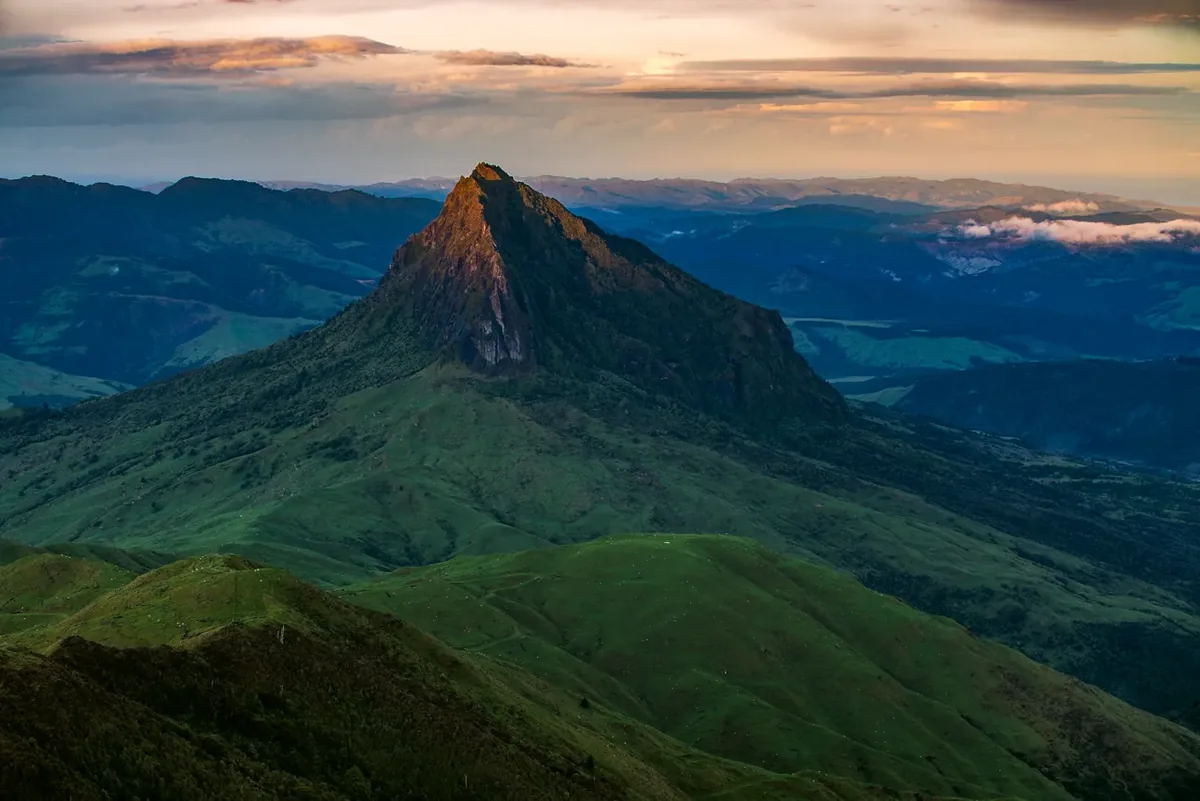
There is a story behind the photo at the top of this page: Mount Hikurangi, near Gisborne, is among the first places in the country to see each new day, and Ngāti Porou run sunrise visits to its summit. From the US, New Zealand is quite literally living in your tomorrow.
Calling home and working across the gap
The overlap is narrow but reliable. During the New Zealand summer, the early morning in New Zealand is the previous afternoon in the US.
| In New Zealand (summer) | Pacific | Eastern |
|---|---|---|
| 7am | 10am the previous day | 1pm the previous day |
| 9am | Noon the previous day | 3pm the previous day |
| 1pm | 4pm the previous day | 7pm the previous day |
| 5pm | 8pm the previous day | 11pm the previous day |
Times are for November to mid-March. For a weekly call with family, a New Zealand breakfast or a US afternoon works for both sides. If you are adding Australia to the trip, Sydney is two hours behind New Zealand for most of the year; our Australia and New Zealand trip guide covers that leg.
Quick answers
Trips that fit
Northern Beach Explorer
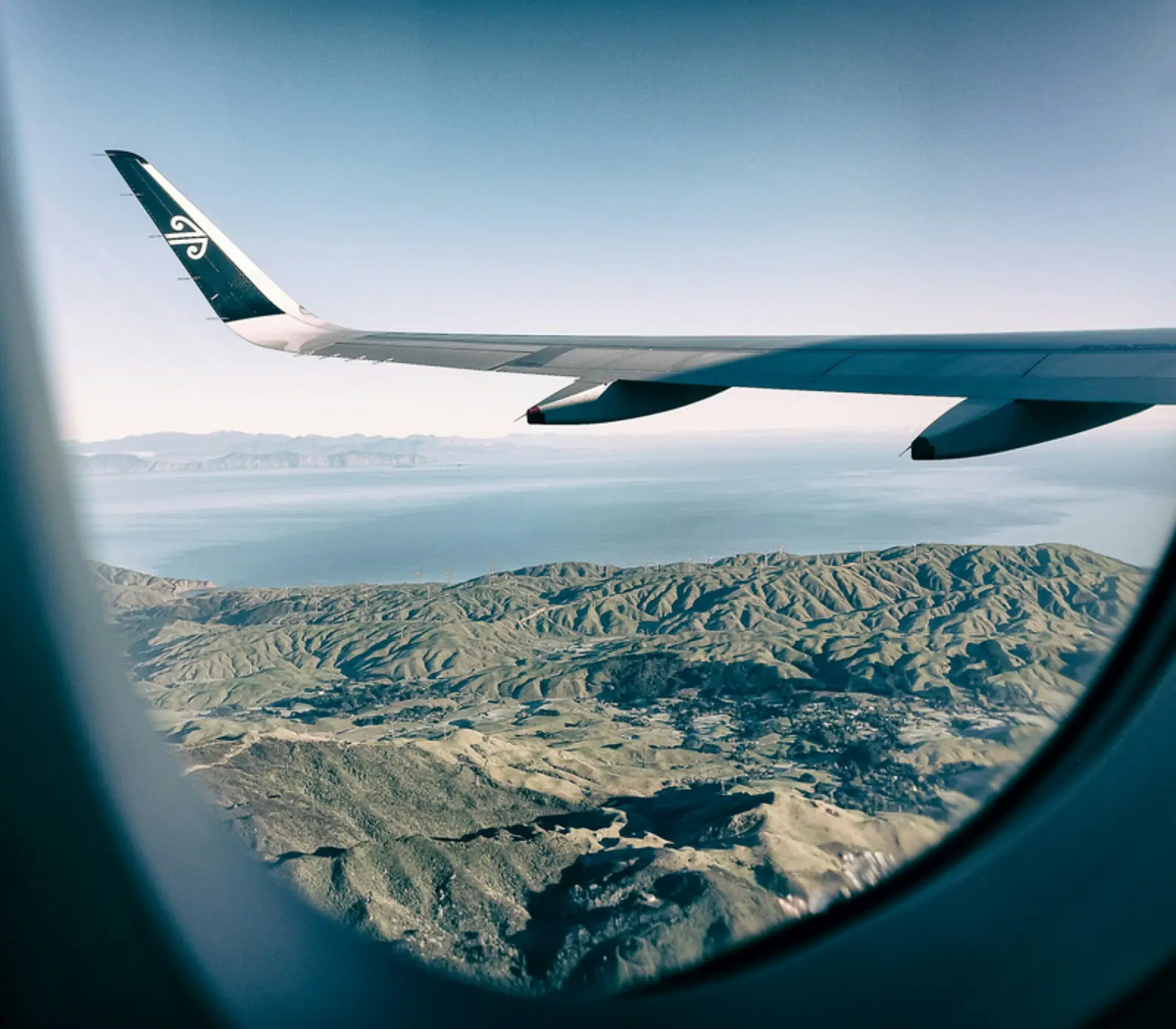
7 days across the North Island, starting and ending in Auckland, self drive, with every night booked ahead. Strong on walking and hiking.
Northland to Rotorua Discovery
8 days across the North Island, round trip out of Auckland, scheduled coaches between towns, no guide, your days your own. Strong on family touring.


Iconic North 26/27
7 days across the North Island, from Auckland through to Wellington, fully escorted, so every day just happens. Strong on Māori culture.