Experiences
Where to see whales, dolphins, penguins and kiwi in the wild
New Zealand split from every other landmass before mammals mattered, so its wildlife went its own way: birds took every job in the ecosystem, some gave up flying entirely, and the sea does the megafauna. The result for travellers is specific: you go to particular places for particular animals, and the hit rates at the right places are remarkably high. Here is where, with the odds rated.
The marine big three
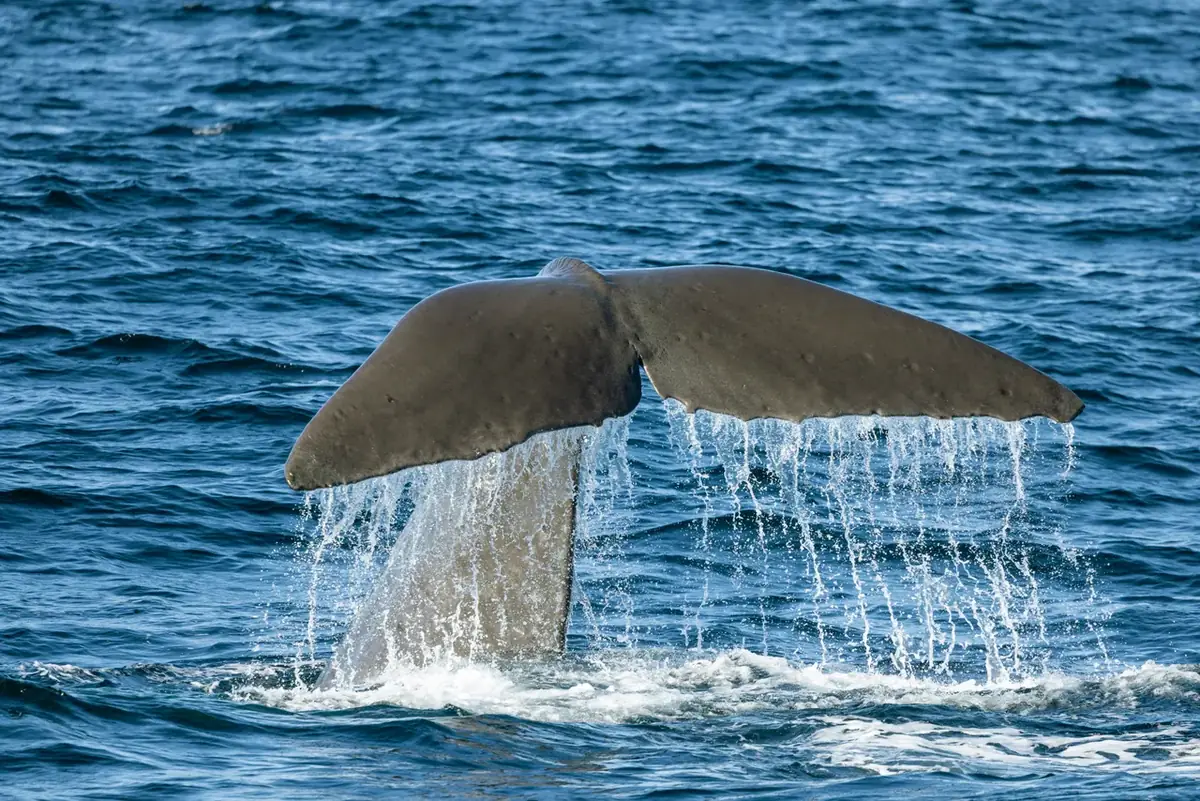
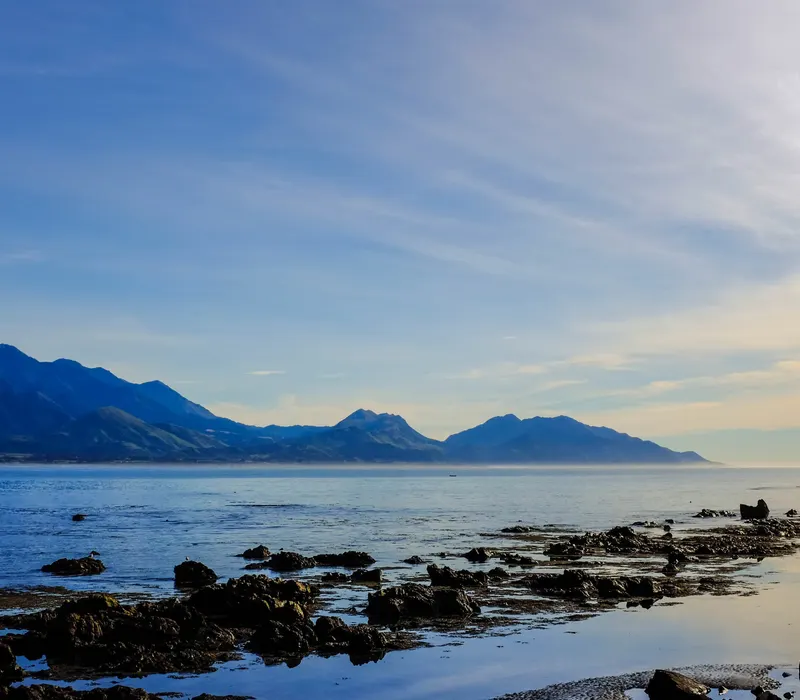
- Whales at Kaikoura: an underwater canyon close to shore keeps giant sperm whales resident essentially year round, which is why Kaikoura’s whale watching claims success rates most operations only dream of; refunds apply on the rare blank days. June and July add migrating humpbacks. The town also runs the country’s best albatross boat trips and a seal colony you practically trip over.
- Hector’s dolphins at Akaroa: the world’s smallest dolphin, found only in New Zealand waters, met reliably on harbour cruises from the French village near Christchurch.
- Dusky dolphins, again Kaikoura: pods in the hundreds, acrobatic to the point of showing off. Boat viewing is superb; swimming here is with the duskies, run under strict marine mammal rules.
The bird royalty
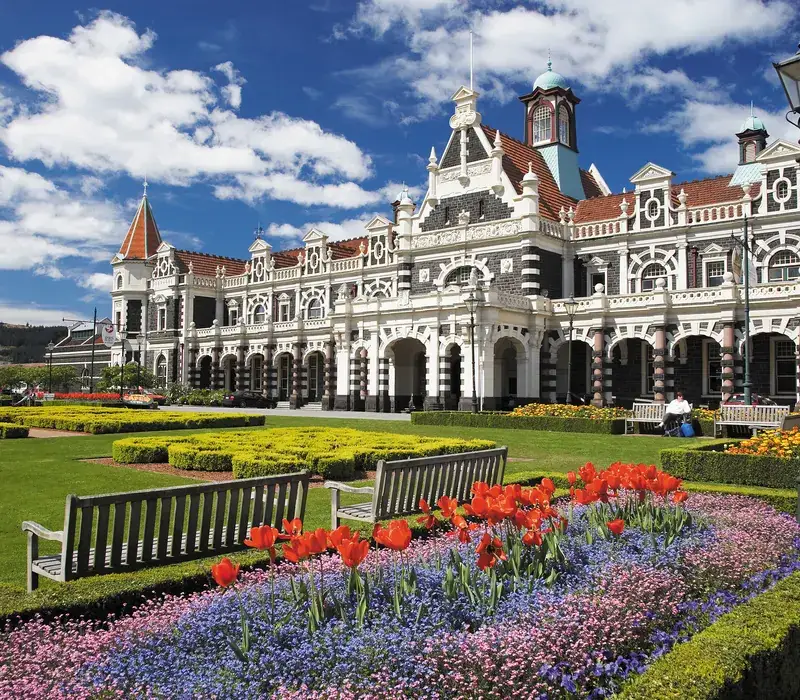
- Royal albatross and penguins in Dunedin: the world’s only mainland royal albatross colony, plus evening viewings of rare yellow-eyed and little penguins, all on one peninsula.
- Gannets at Cape Kidnappers in Hawke’s Bay: up to 20,000 birds September to April.
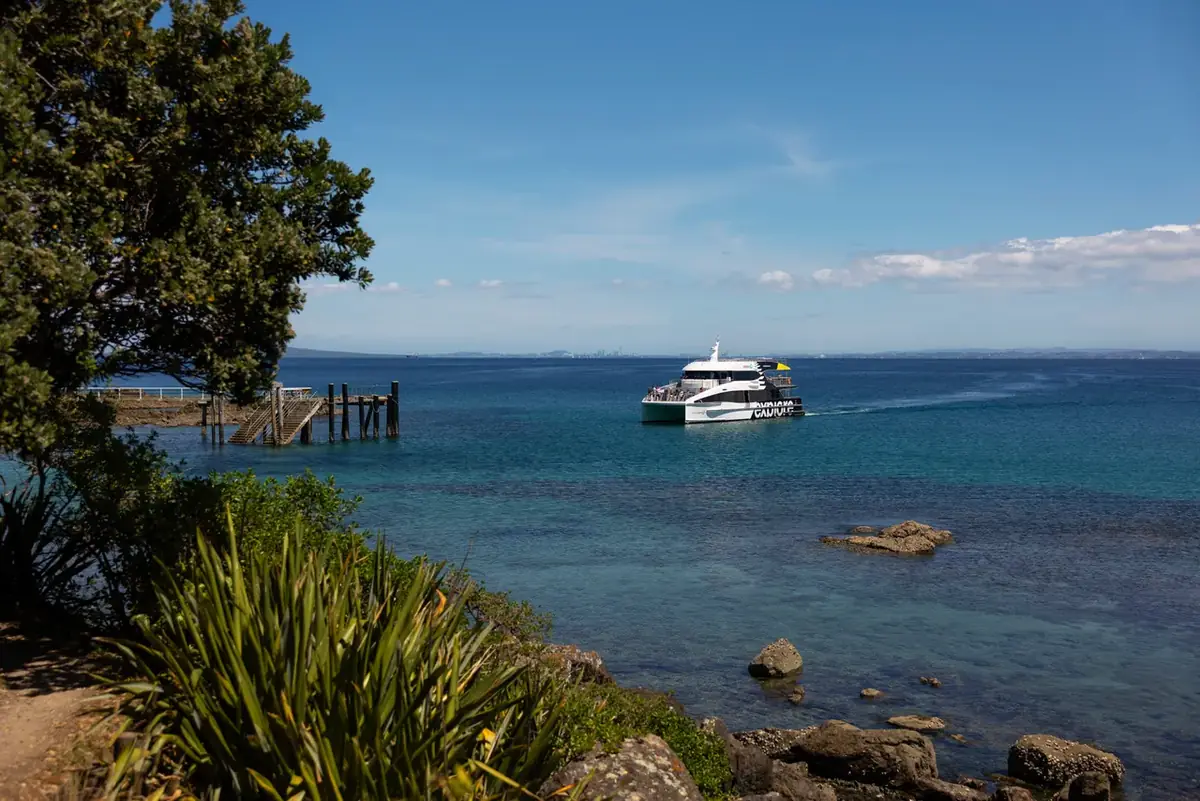
- Sanctuary islands and fenced arks: Tiritiri Matangi near Auckland and Zealandia in Wellington rebuilt the pre-human soundscape; takahe, kaka and kokako are everyday sightings inside.
- Kea in the Southern Alps: the world’s only alpine parrot finds you, usually in the Arthur’s Pass or Milford road car parks, usually investigating your car’s rubber trim. Endangered, brilliant, do not feed.
The kiwi question, answered straight
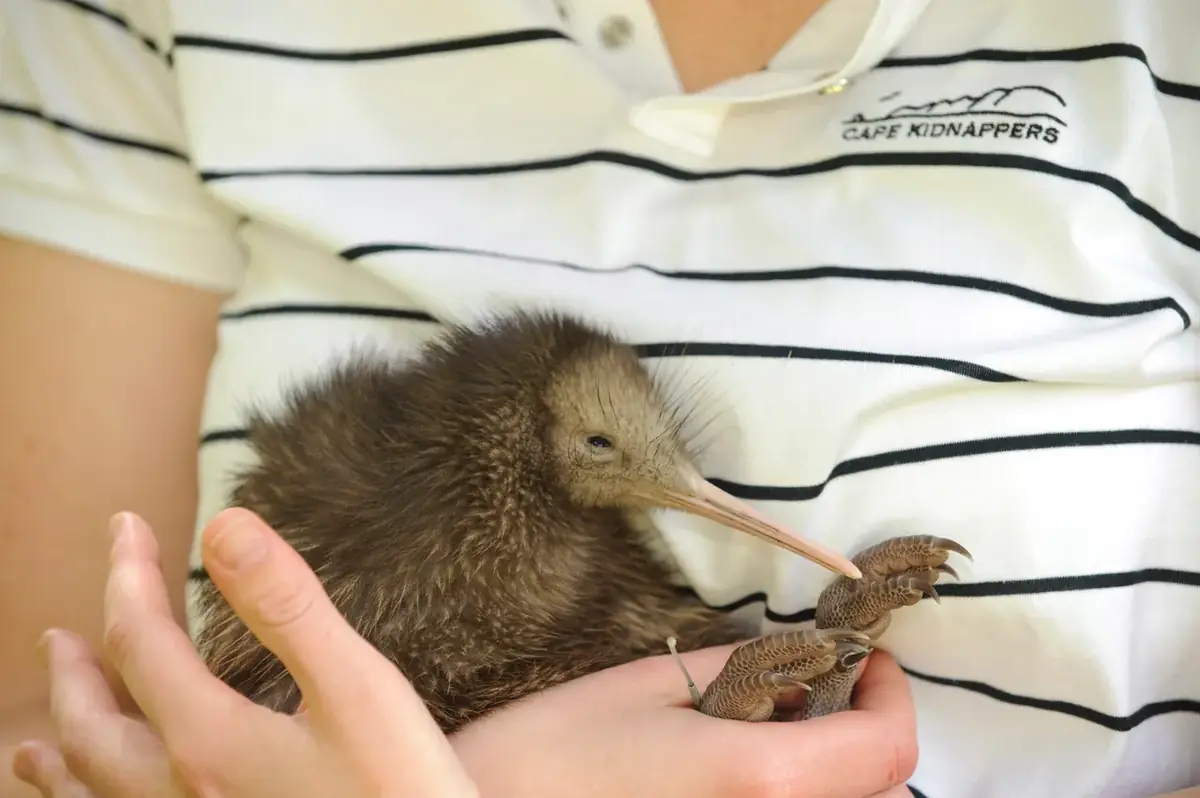
Wild kiwi are nocturnal, camouflaged and mostly in deep bush, so the odds on a casual wild sighting are poor. The exceptions: guided night walks at Okarito near the glaciers, where sighting rates are genuinely strong; Stewart Island, where kiwi outnumber people and even feed on beaches; and Zealandia’s night tours in Wellington. Failing those, choose a conservation-grade kiwi house where your ticket funds breeding programmes; several release birds to the wild every year. Booking one real kiwi encounter is the single most common special request we get, and it is always worth the detour it takes.
The odds, animal by animal
| Animal | Where | Your chances | When |
|---|---|---|---|
| Sperm whale | Kaikoura, by boat | Very high; the operator refunds most of the fare on a blank | All year |
| Humpback whale | Kaikoura | Good | June and July |
| Dusky dolphin | Kaikoura | Very high; pods in the hundreds | All year, best in summer |
| Hector’s dolphin | Akaroa, Porpoise Bay | High on Akaroa cruises | All year; summer in the Catlins |
| Royal albatross | Taiaroa Head, Dunedin | Near certain from the observatory | All year, best in wind |
| Yellow-eyed penguin | Otago Peninsula, the Catlins | High from the hides at dusk | All year; moulting birds ashore in February and March |
| Little penguin | Oamaru, Pilots Beach | Near certain after dark | All year; most birds in spring and summer |
| Fur seal | Kaikoura, Cape Palliser, Wharariki | Certain | All year; pups from December |
| Kea | Arthur’s Pass, the Milford Road | Likely in the car parks | All year |
| Wild kiwi | Stewart Island, Okarito | Good on a guided night walk; poor otherwise | All year; long nights help |
Kaikoura and the Otago Peninsula between them deliver whales, dolphins, albatross, seals and two penguins in three days, which is why every South Island route on this site goes through both.
The wildlife calendar
- September to April: gannets at Cape Kidnappers and Muriwai, chicks from December.
- November to March: fur seal pups on the rocks; sea lions hauled out on the Catlins beaches.
- June to August: humpbacks and southern right whales passing Kaikoura; the darkest nights for the kiwi walks.
- February to March: yellow-eyed penguins ashore all day to moult, the easiest daylight sightings of the year.
- All year: sperm whales, dusky dolphins, albatross, and the sanctuary islands, which are the reliable birdsong in every month.
Quick answers
Trips that fit
4 day Kaikoura, TranzAlpine and West Coast Glaciers to Queenstown
4 days across both islands, Wellington away to Queenstown, guided the whole way, luggage and logistics handled. Strong on family touring.
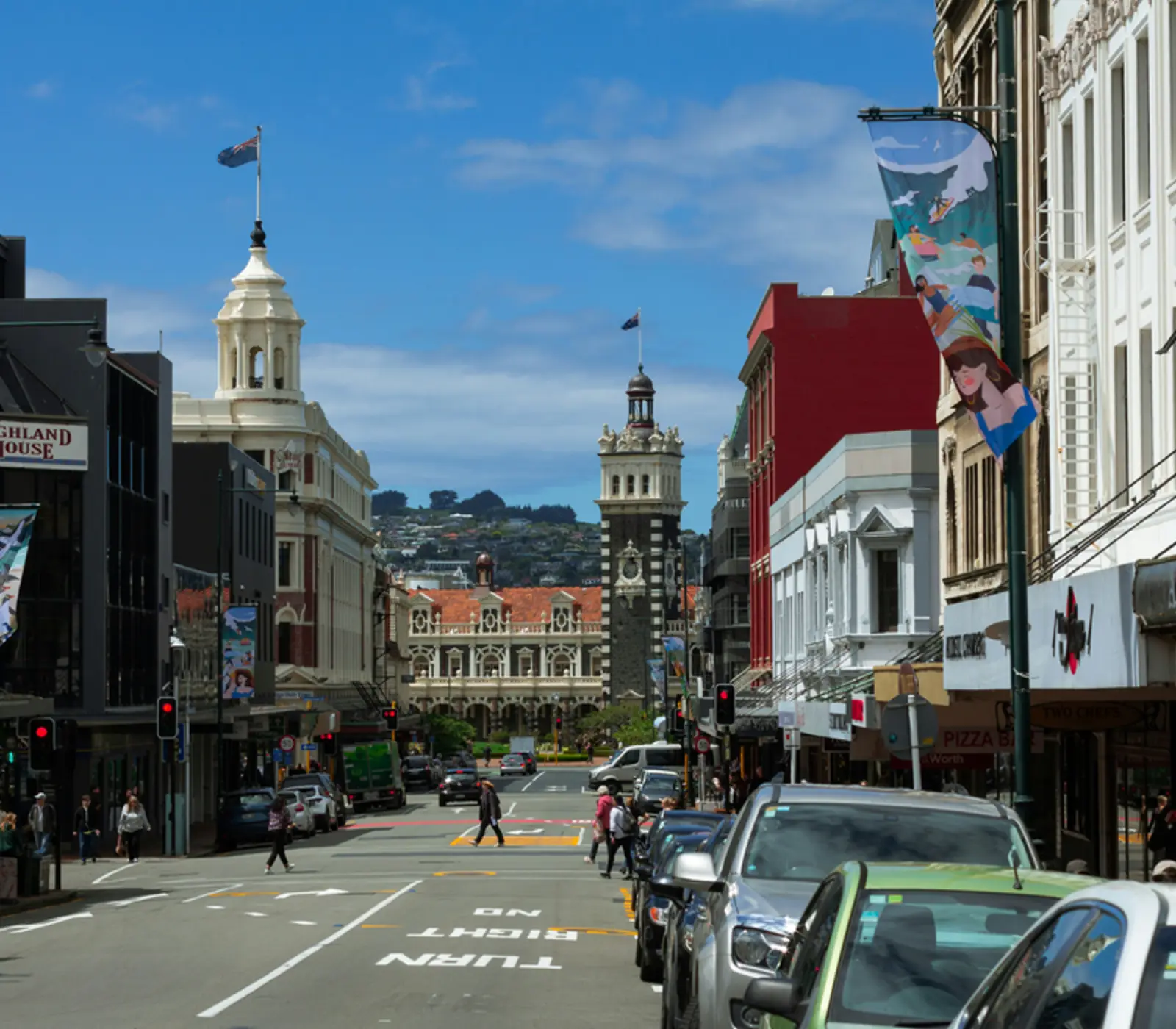
Dunedin, Milford Sound, Queenstown and Mt. Cook
6 days across the South Island, round trip out of Christchurch, guided the whole way, luggage and logistics handled. Strong on family touring.
Mount Cook Lily Tour
14 days across both islands, Wellington away to Christchurch, small group touring, never more than a minibus full. Strong on guided small group tours.