Practical
Is New Zealand expensive? A price list, not an opinion

Straight answer: New Zealand is a mid-to-upper cost destination, roughly comparable with Australia, noticeably cheaper than Switzerland or Iceland, pricier than southern Europe or Southeast Asia. For Americans the exchange rate softens everything by a third or so. The nuance that matters is not the average but the shape: some things here are startlingly expensive, others quietly cheap, and knowing which is which is worth more than any discount code.
What costs more than you expect
- Petrol: NZ$2.60 to $3.00 a litre, which is roughly US$6.50 a gallon. Distances add up; it is a real line in a self drive budget.
- Big-ticket activities: heli hikes, skydives and scenic flights run NZ$400 to $800 each. Three of them equals a week of accommodation; choose like it.
- Peak-season Queenstown and Milford-adjacent beds: December to February rates in the resort towns are the country’s highest, and timing the trip differently is the single biggest lever any budget has.
- Groceries relative to wages make headlines locally; relative to a US or UK holiday wallet they land as ordinary.
What costs less than you expect
- The scenery is free and so is most of the access: national parks have no entry fees, the great viewpoints are lay-bys, and the best short walks in the country cost exactly nothing.
- No tipping and GST included: menu price is final price, which quietly saves 20 percent against a US restaurant bill. See the currency guide.
- Wine at the source, fish and chips, and supermarket picnics with world-class views: the low-cost end of eating here is genuinely good.
- Shoulder months: May, June, August through October drop accommodation 20 to 40 percent below peak for the identical room.
Where budgets actually leak
Not where people expect. The leaks we see in real itineraries: booking peak-season late (the good-value beds go first, leaving only the expensive ones), moving every night (cleaning fees, fuel and one-way car charges compound), stacking three adrenaline activities where one would carry the same memory, and paying dynamic currency conversion on every card terminal. A package priced at the start fixes most of these mechanically, which is less an advertisement than an observation about why the totals surprise people less that way.
The leak that costs the most is the one nobody counts: the day lost. A one-night stop in Te Anau that turns into a rained-off Milford and a second attempt from Queenstown costs a night’s accommodation, a tank of fuel and a rebooked cruise. Two nights in Te Anau from the start costs one motel night. The same arithmetic runs at Franz Josef and Mount Cook. The cheapest New Zealand trip is the one with slack in it, because slack is what turns a cancelled day into a slow breakfast rather than a rebooked everything.
Four icons and what they cost this year
| Icon | 2026 adult price |
|---|---|
| Waitangi Treaty Grounds | NZ$78 international adult from 1 October 2026, tour and performance included |
| Waitomo Glowworm Caves | From NZ$75 for the boat tour |
| Hanmer Springs thermal pools | NZ$40 booked online |
| Te Papa | NZ$35 for international visitors; free for residents |
Against those, the Hooker Valley, the Milford road, Cathedral Cove and every beach in the country cost nothing. New Zealand is expensive in the resort towns in summer and at the ticket desks of the big activities, and cheap everywhere the scenery does the work.
Quick answers
Trips that fit
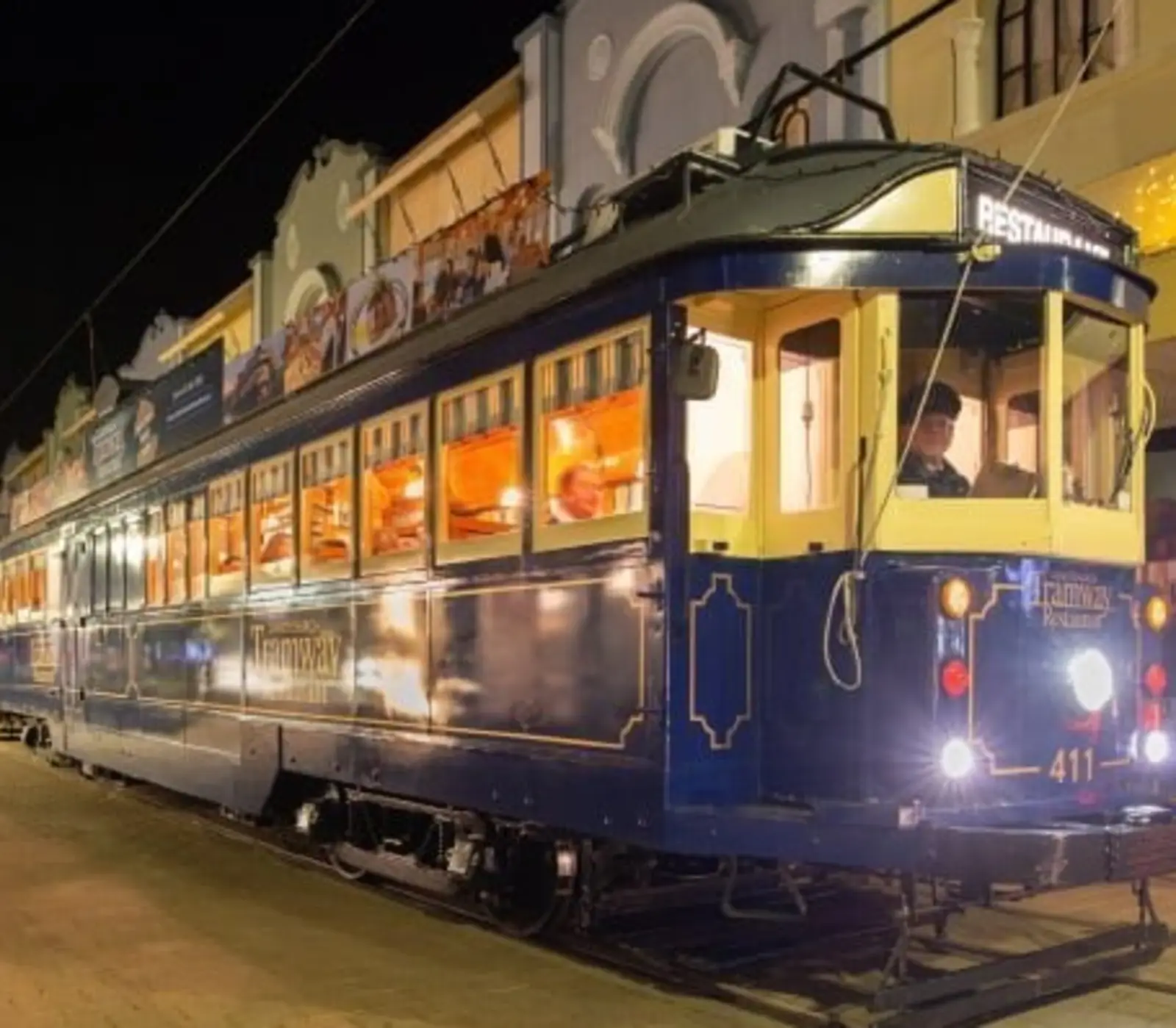
Milford Sound Spectacular Tour
7 days across the South Island, starting and ending in Christchurch, self drive, with every night booked ahead. Strong on classic driving tours.
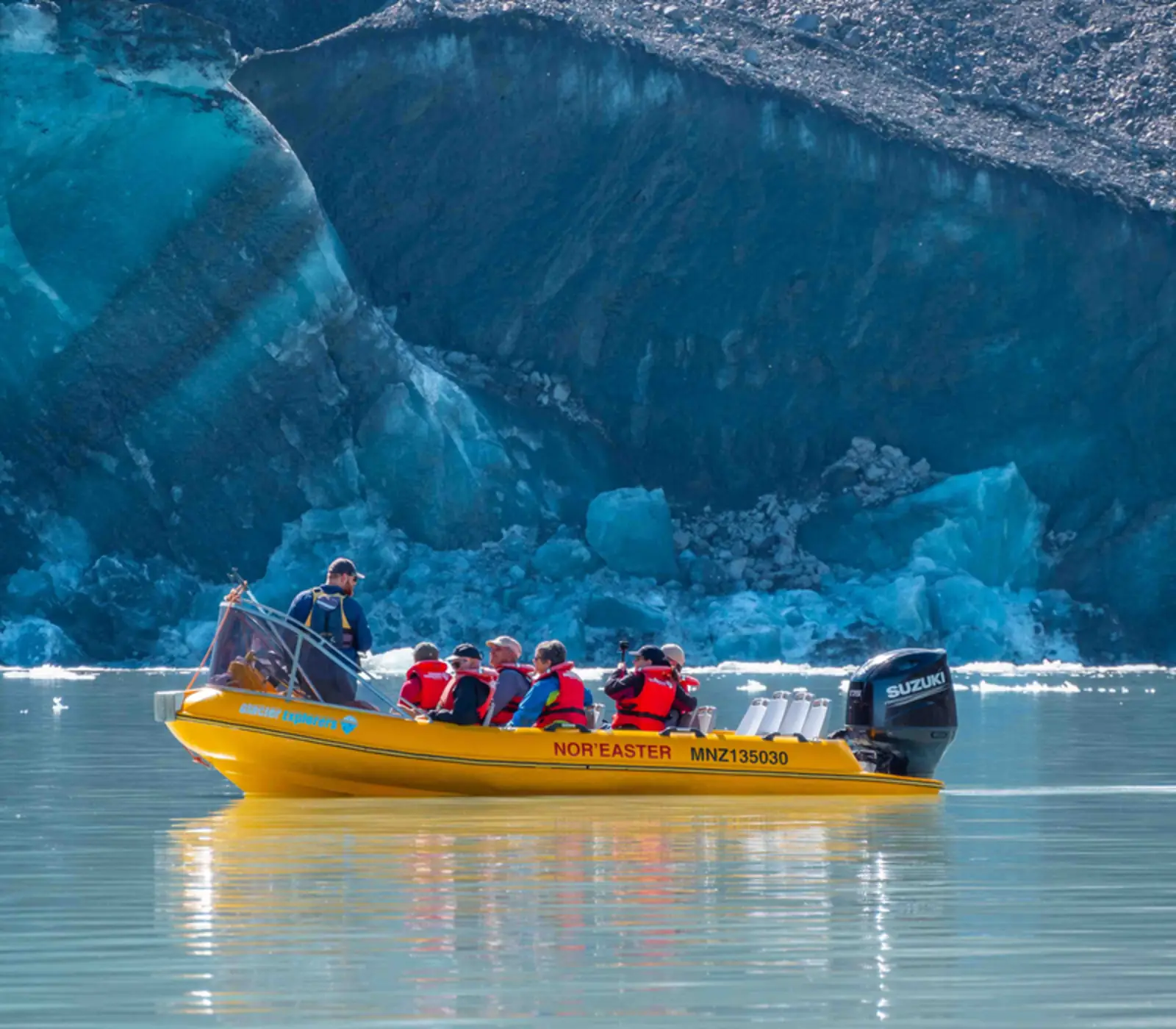
Alpine Icons Tour
10 days across the South Island, round trip out of Christchurch, driving yourself, with the route planned for you. Strong on adventure.
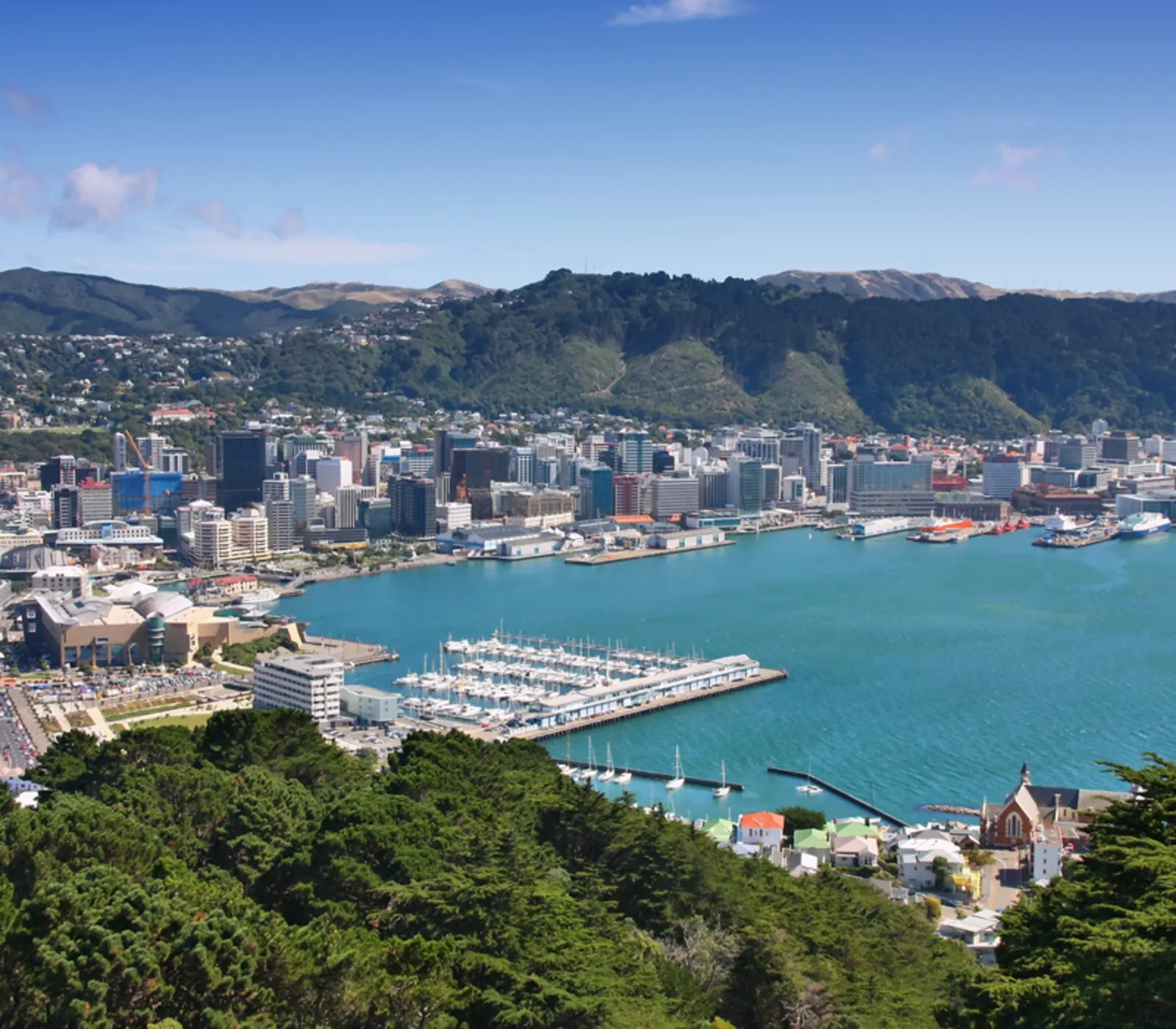
7 Day North Island Explorer
7 days across the North Island, Wellington to Auckland, at your own pace behind the wheel. Strong on adventure.