When to go
The best time to visit New Zealand, from people who live here
Short answer: late February to early April, or November. You get settled weather, water still warm enough to swim in, golden light, and a country that has exhaled after the summer school holidays. Prices drop, campervans stop fighting for powered sites, and the road to Milford Sound is quiet by half past nine.
Longer answer: it depends on what you are coming for, and anyone who gives you one month without asking what you want is guessing. We live here. Here is the version season by season, including the bits the brochures leave out, with a page for every month beneath it.
The year at a glance
| Season | Months | Best for | Watch out for |
|---|---|---|---|
| Summer | December to February | Beaches, long evenings, every activity open | Peak prices, school holidays until late January, book months ahead |
| Autumn | March to May | Stable weather, autumn gold in Central Otago, quiet roads | Days shorten fast after Easter; May nights get properly cold |
| Winter | June to August | Skiing, snow on the ranges, hot pools, the lowest prices | Short days, alpine road closures, some walks out of season |
| Spring | September to November | Waterfalls at full power, lambs, blossom, shoulder prices | The most changeable weather of the year; pack for all of it |
The seasons are the reverse of the northern hemisphere, so December is midsummer and July is midwinter. The other thing that surprises visitors is how far apart the islands run. NIWA puts the mean annual temperature at about 16 degrees in the north and 10 in the south, with January or February the warmest month and July the coldest. Auckland in July averages around 15 and rarely sees frost; Queenstown the same week might not climb above 5, which is precisely why the skiing is good.
Summer, December to February: the postcard, at postcard prices
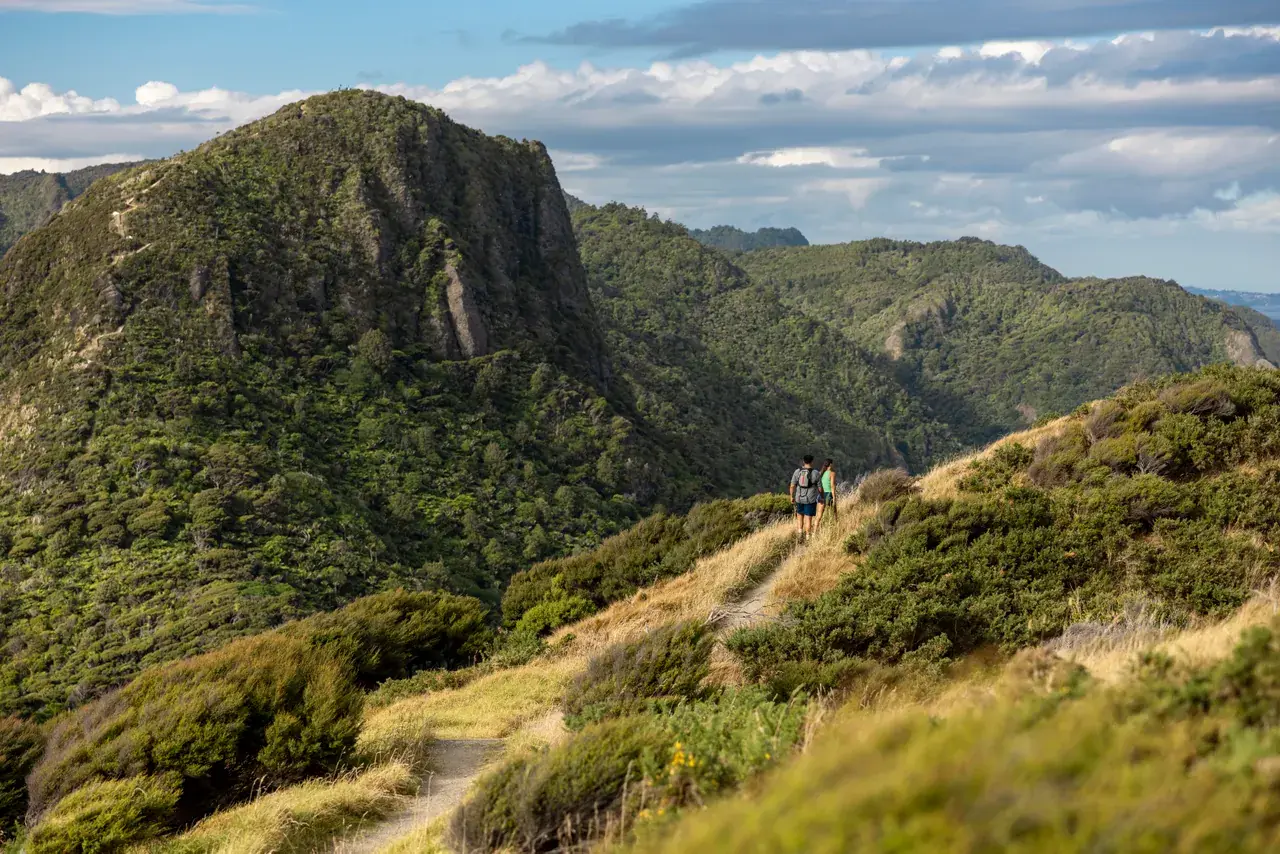
Summer is what the marketing photographs are made of. Daylight runs past 9.30pm in the south, the water at Hahei and Cathedral Cove is swimmable, and every walk, cruise and glacier flight is running daily. If this is a once-in-a-lifetime trip and budget is not the deciding factor, summer delivers.
New Zealand takes its own summer holiday from about 19 December until the end of January, and the country is full of its own people. Beach towns triple in population, Queenstown accommodation is at its most expensive, and the best motels in Te Anau and Mount Cook village sell out months ahead. We tell our own guests booking summer travel to confirm accommodation five to six months out, and that is arithmetic about a country of five million with one road to Milford Sound, not a sales line.
Autumn, March to May: the local favourite

Ask New Zealanders their favourite travel month and a suspicious number will say March or April. The weather is the most settled of the year, the light goes soft and golden, and Central Otago turns every shade between yellow and fire. Arrowtown in late April is one of the great easy sights of the country, and the Arrowtown Autumn Festival runs from 15 to 18 April in 2027.
Crowds thin noticeably after Easter, which in 2027 falls early, on 26 to 29 March. Cruise season winds down in April, which changes the feel of Milford Sound, Akaroa and the Bay of Islands more than people expect. By May you will have viewpoints to yourself midweek, in exchange for 6pm darkness and real cold in the high country.
Winter, June to August: two different countries
Winter splits New Zealand in two. The South Island becomes an alpine destination: the Remarkables and Coronet Peak above Queenstown, Cardrona and Treble Cone near Wanaka, Mt Hutt an hour from Christchurch. The big three all opened on 13 June in 2026 and ran into October, with Cardrona extending to 18 October on late snow. The ski packages exist because this season is worth flying for.
The North Island in winter is milder, greener and quieter: Rotorua’s steam looks its most dramatic in cold air, Northland stays around 15 degrees, and Hobbiton has tour slots to spare compared with January. Winter is also the cheapest time to be here across flights and accommodation, with June and August the softest months of all.
What we make sure guests know: days are short, some alpine passes carry chains after storms and Queenstown Lakes now fines $750 for not fitting them, and a few big walks close for the season. Winter here rewards trips built around what winter does well, not summer itineraries run in the cold.
Spring, September to November: drama and lambs
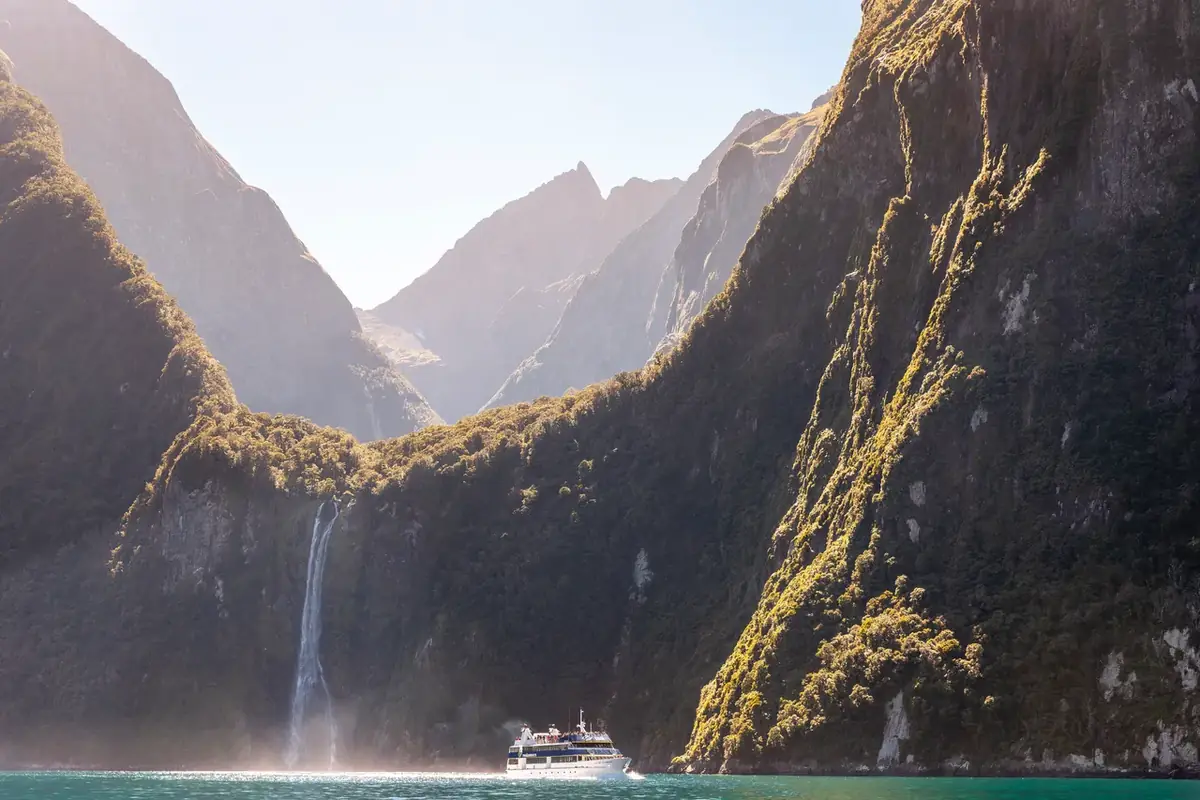
Spring is the wildcard. Waterfalls are at their loudest on snowmelt, which makes September one of the best months to see Milford Sound and the only sensible answer to "when do the falls look like the photographs". Blossom hits the Central Otago orchard towns in late September, lambs are everywhere, and from the last week of November the lupins line the Mackenzie roads around Lake Tekapo.
The trade: spring weather changes its mind hourly. You can get four seasons before lunch, literally rather than as a slogan. Pack layers, keep plans flexible, and spring will hand you empty roads and shoulder-season prices for scenery running at full volume.
Who comes when
Where you are flying from shapes the month more than most people expect. Australians take the week most often, in every month, because the flight is three hours. Americans book ten to fourteen days and lean to the shoulder seasons. British and European visitors stay longest and come in their own winter, which is our summer.
So when should you actually come?
- Beaches and long evenings, and you can book early and pay peak: December to February.
- The best all-round balance of weather, price and space: late February, March, early April, or November.
- Skiing: July and August for the most reliable snow.
- The lowest prices with decent conditions: May and September.
Whichever month you land on, the month matters less than the lead time. The difference between a good New Zealand trip and a great one is usually whether the right rooms were still available when you booked. Planning from overseas? There are pages for travellers from Australia, the USA and the UK, with the flights and the seasons explained for your side of the world.
Quick answers
Trips that fit

Stories of Aotearoa
22 days across both islands, from Auckland through to Christchurch, self drive, with every night booked ahead. Strong on food & wine.
Essential Southern Extravaganza
21 days across the South Island, round trip out of Queenstown, driving yourself, with the route planned for you. Strong on adventure.
Treasures of the North
5 days across the North Island, starting and ending in Auckland, self drive, with every night booked ahead. Strong on classic driving tours.