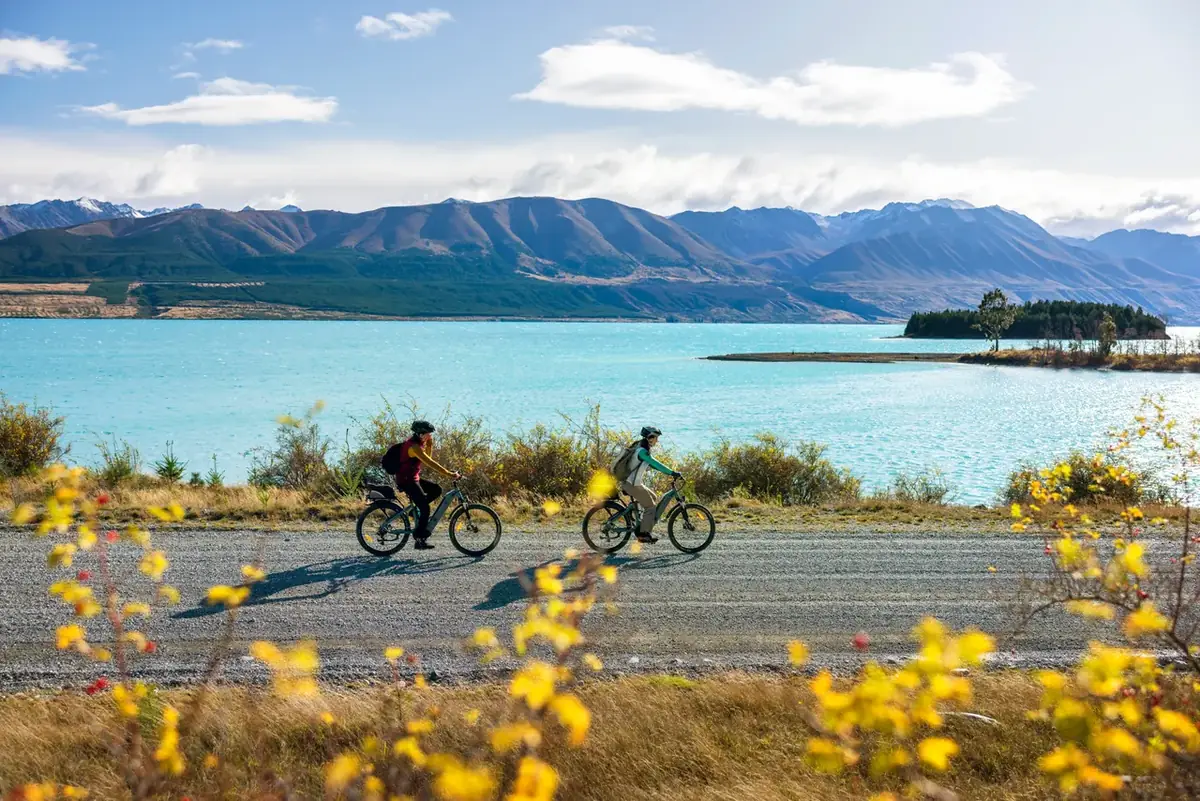
Lake Tekapo is two things with one name. The lake is 27 km long and 710 m above sea level, fed by the Godley and Macaulay rivers out of the Southern Alps, and the rock flour in that meltwater turns it a milky turquoise that looks edited in photographs and is not. The village, about 620 people at the southern end, is a row of hotels, cafes and holiday homes on a terrace above the water, 227 km from Christchurch and 256 km from Queenstown. It sits inside the Aoraki Mackenzie International Dark Sky Reserve, and at night that matters more than the lake.
Of the itineraries we sell, 99 pass through Lake Tekapo, because it is on the main road between Christchurch and Queenstown and on the way to Aoraki / Mount Cook. Only 18 of them stay the night. Most stop for an hour: the church, the lake shore, lunch. That is a shame, because the best of Tekapo happens after dark, and below we make the case for sleeping here.
- From Christchurch
- 227 km, about 3 h
- From Queenstown
- 256 km, about 3 h
- From Aoraki / Mount Cook
- 104 km, about 1 h 10
- Nearest airports
- Timaru (TIU), 105 km, about 1 h 25 by road, Christchurch (CHC), about 3 h by road, Queenstown (ZQN), about 3 h by road
What is special about Lake Tekapo
The colour, first. Glaciers at the head of the valleys grind rock into a powder fine enough to stay suspended in the water, and it scatters sunlight into that pale blue. On a bright day in summer it is almost luminous; under cloud it goes grey green. Lake Pukaki, about half an hour further on, has the same colour and a straight view of Aoraki, and a lot of people argue it is the better lake. They are both worth your time.
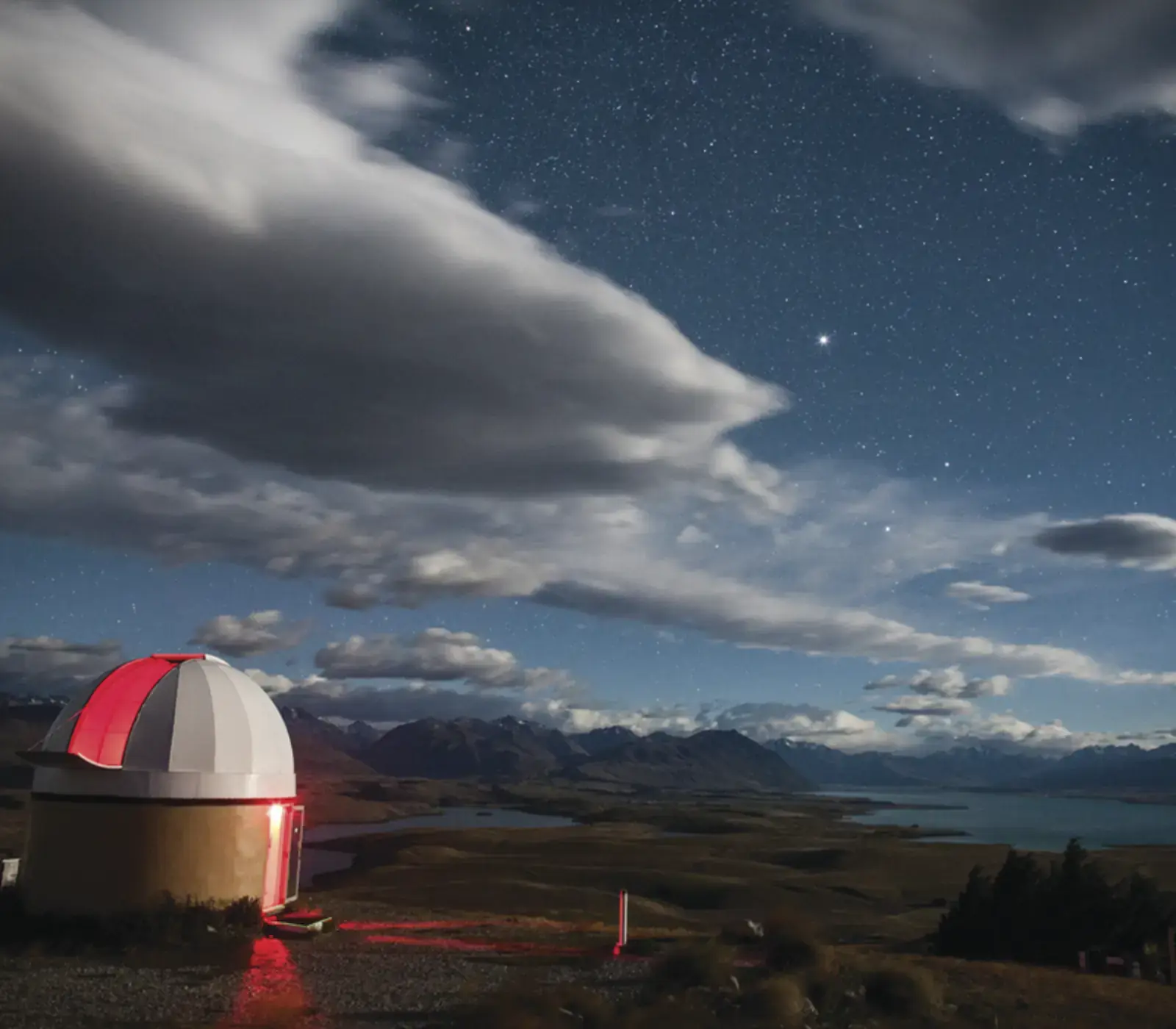
The sky, second. The Mackenzie Basin is high, dry and thinly populated, and in 2012 an area of 430,000 hectares around Tekapo and Aoraki / Mount Cook became an International Dark Sky Reserve, at the time the largest in the world. Outdoor lighting in the village is shielded and kept low. On a clear moonless night the Milky Way throws shadows, the Magellanic Clouds are obvious, and the Southern Cross is the easiest thing you will find all evening.
The Māori name, Takapō, is usually translated as leaving in haste at night. The lake has also been part of the Waitaki hydro scheme since the control gates were finished in 1940, and a 26 km canal now takes water across the basin to Lake Pukaki. You will drive along it on the way to Mount Cook.
Things to do at Lake Tekapo
- Stargazing: the Dark Sky Project runs tours from the village up to the University of Canterbury observatory on the summit of Mt John, with astronomers and telescopes. The Summit Experience is on 9 of our itineraries and books out weeks ahead in summer. There are several smaller operators too, and a hot pools session where you look up from the water.
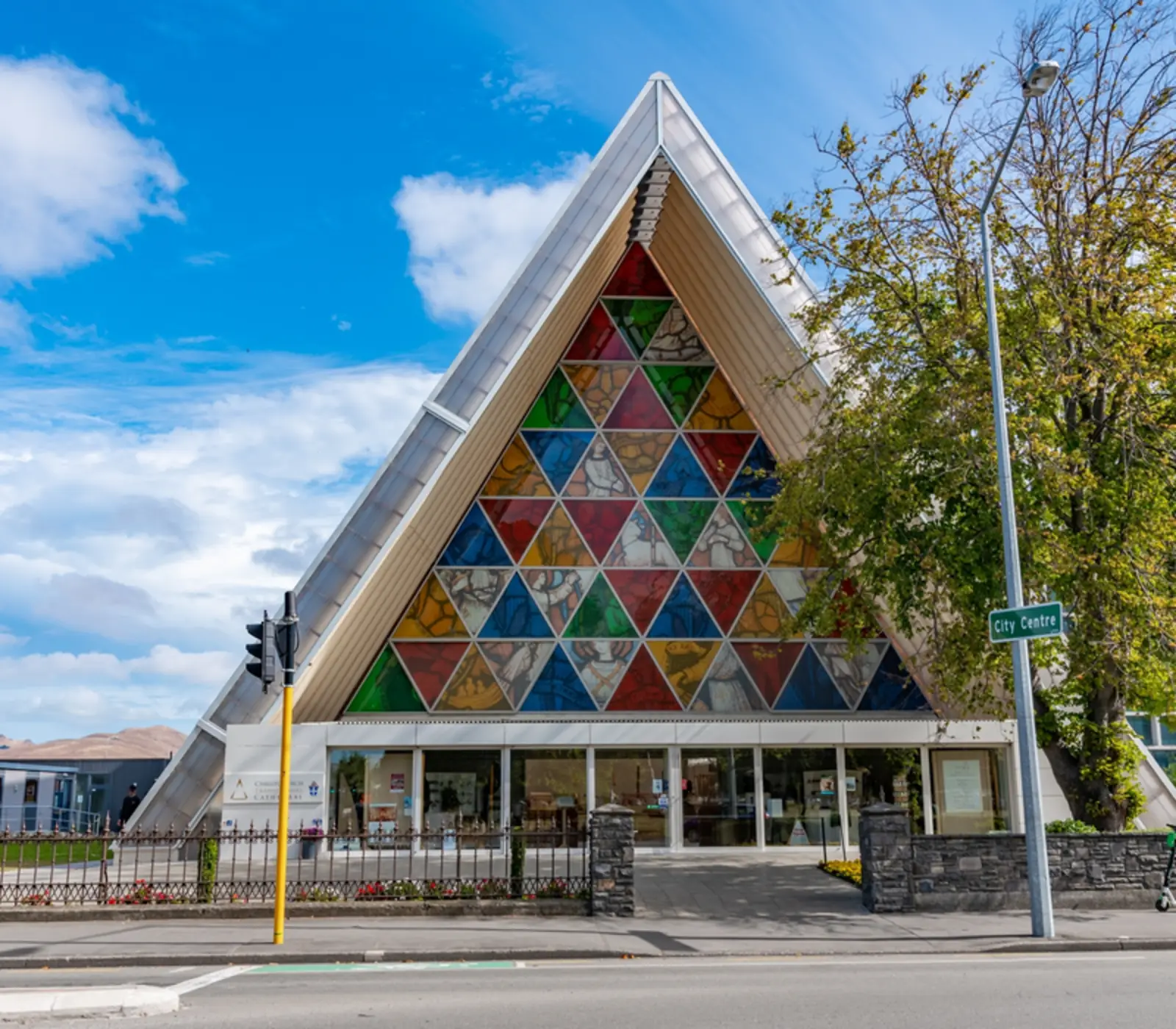
- The Church of the Good Shepherd: a small stone church built on the lake shore in 1935, the first church in the Mackenzie Basin, with a plain window behind the altar that frames the lake and the mountains. It is still a working church, so it closes for services and the interior has limited opening. Go early or late, when the tour coaches are elsewhere. The bronze sheepdog statue a short walk away was cast in 1966 for the working dogs that made high country farming possible.
- Mt John: the summit circuit starts beside Tekapo Springs and climbs through larch forest to the observatory and a cafe with the best view in the basin, around 300 m of climbing and two to three hours return. You can also drive up the toll road.
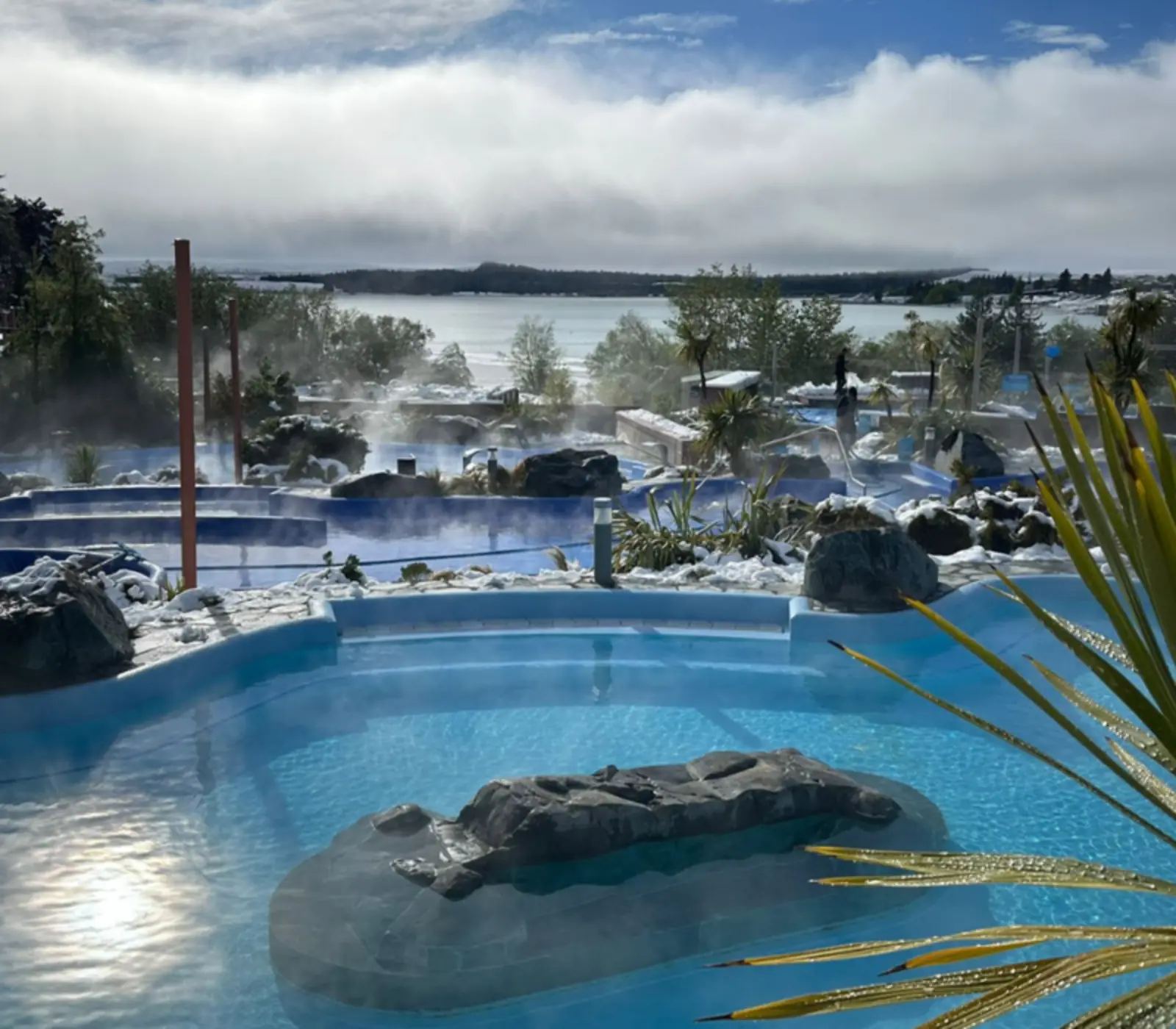
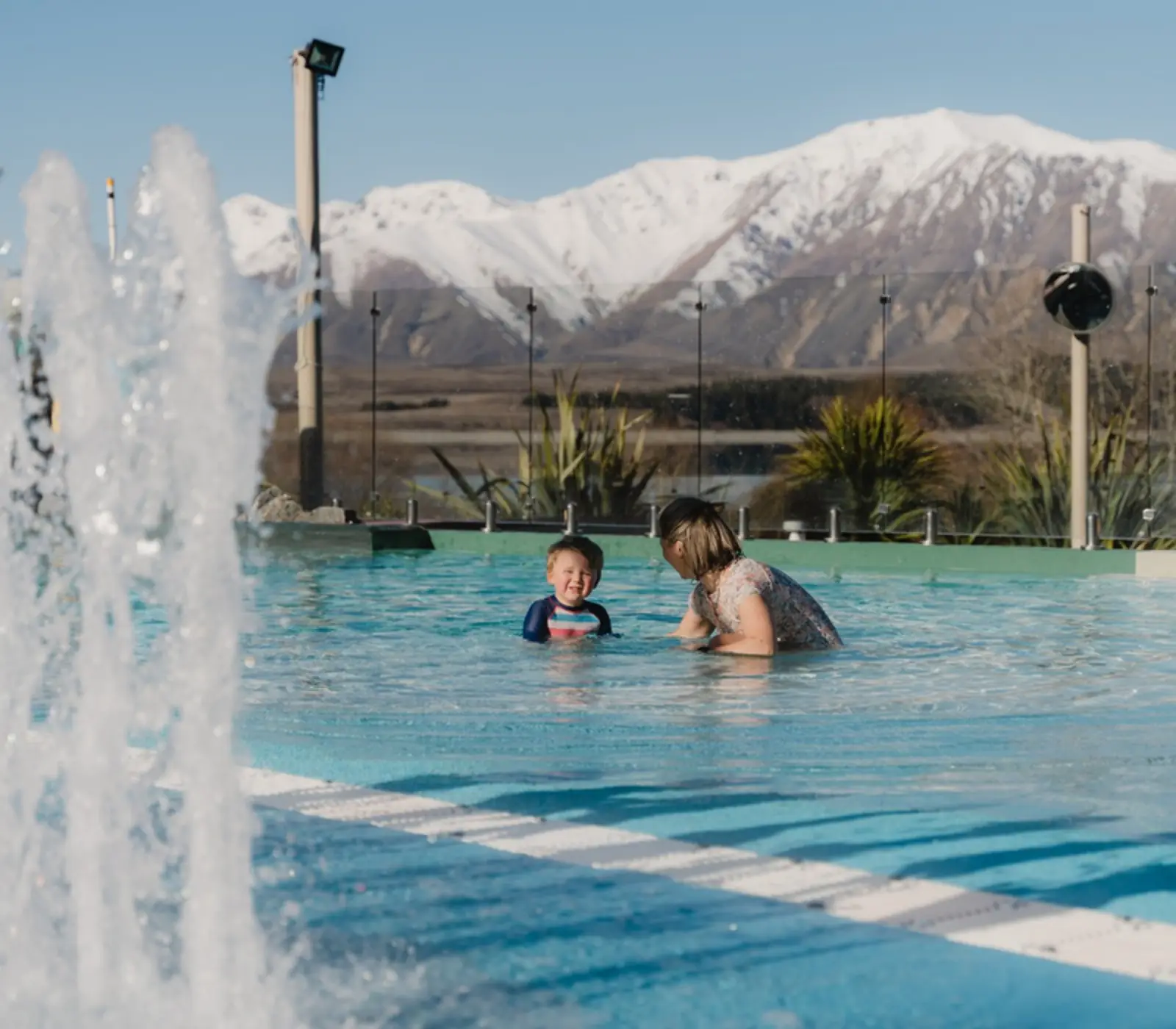
- Tekapo Springs: hot pools at the foot of Mt John, looking down the lake, with an ice rink and snow tubing in winter. The pools are on 8 of our itineraries.
- Scenic flights: planes from Tekapo airfield fly over Aoraki, the Tasman Glacier and the glaciers of the West Coast side of the divide. 3 of our itineraries include the flight. Like all Alpine flying it is weather dependent, so book it for your first day and keep the second free.
- The lake shore: walking and cycling tracks run along the water from the village, and kayaks and paddleboards are for hire in summer. The water is cold: about 17°C at its warmest in January and under 6°C in early spring.
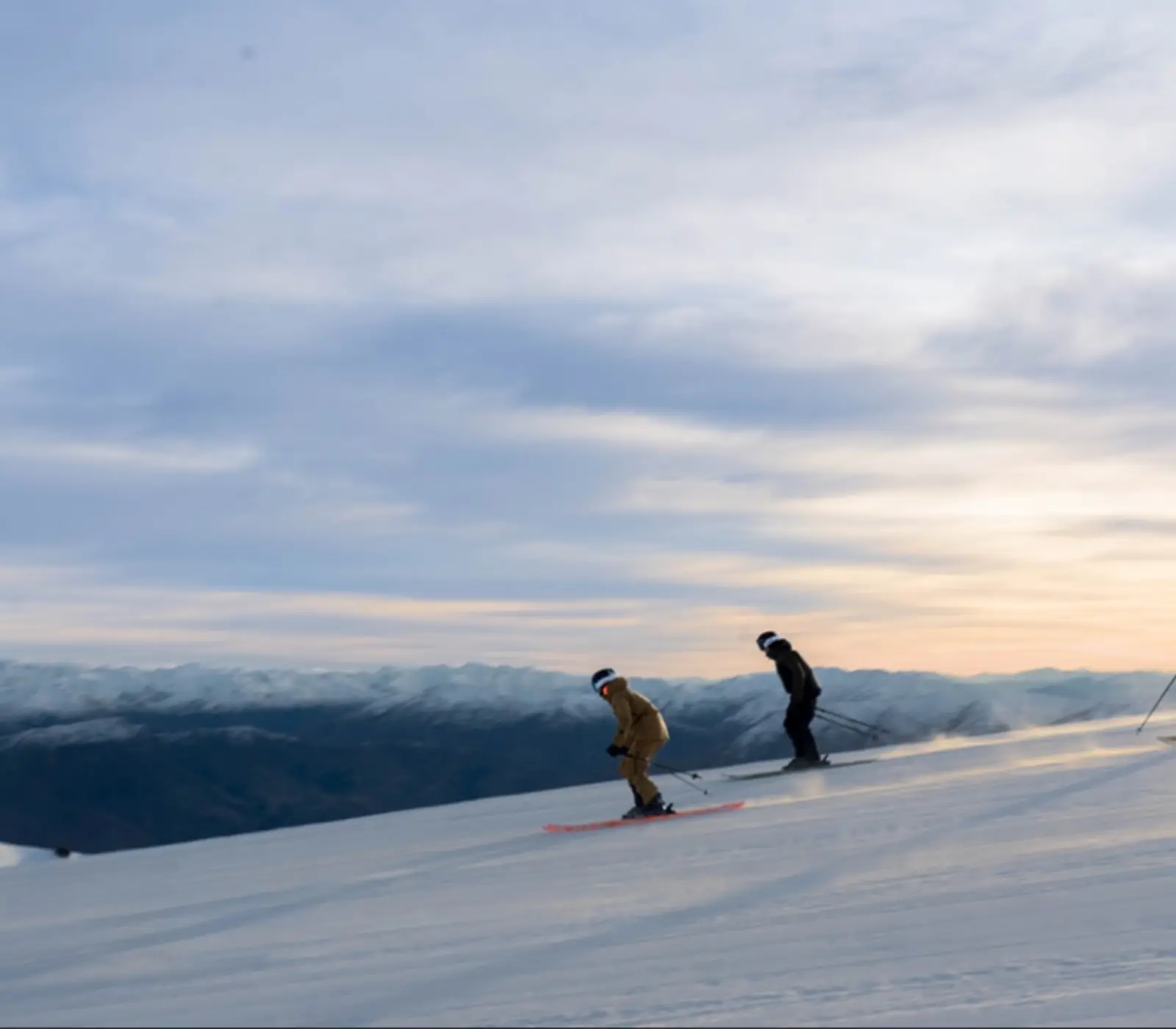
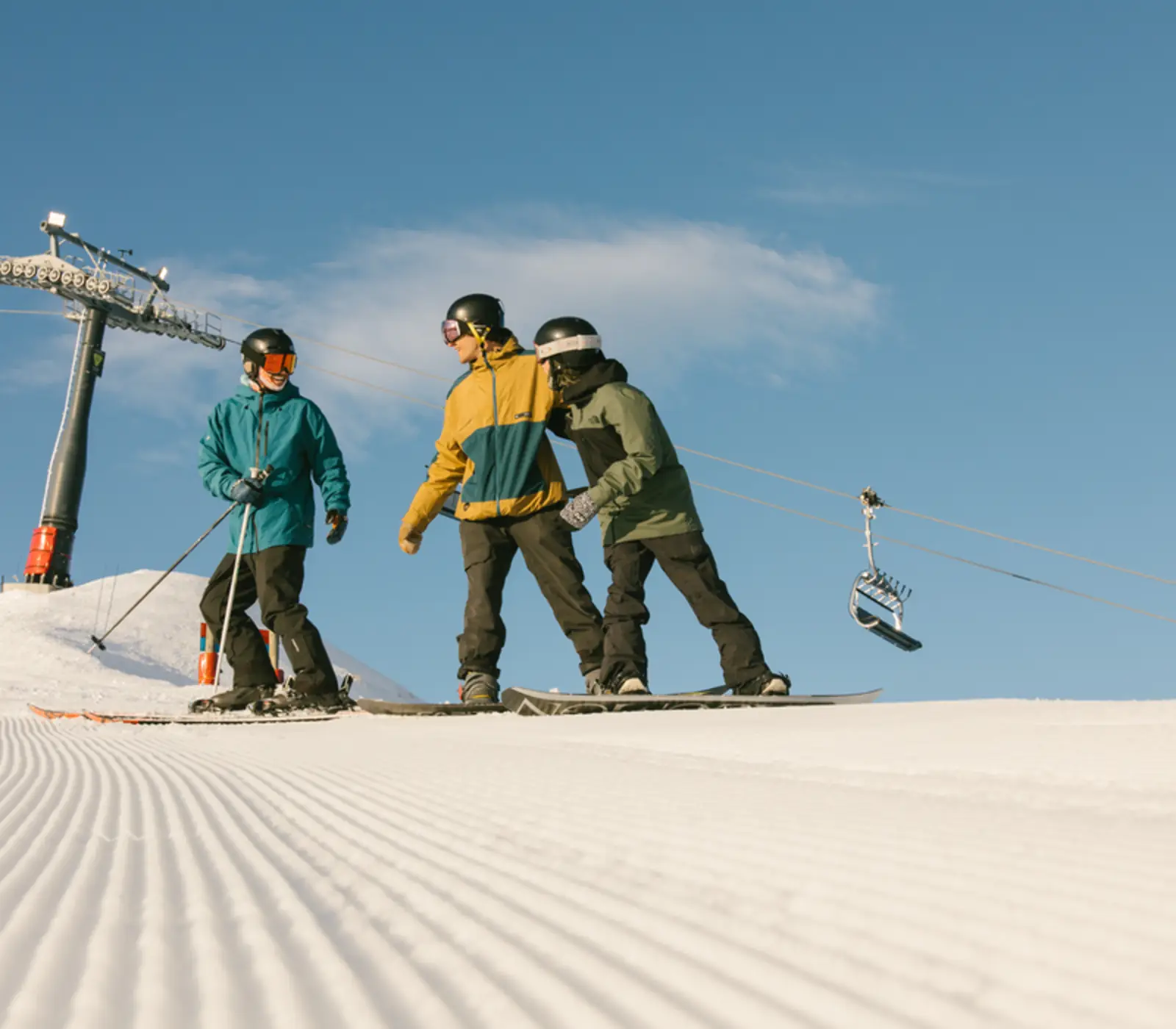
In winter, Roundhill and Mt Dobson ski areas are within reach; 3 of our itineraries are ski packages that base themselves here.
Lupin season, and when to visit
The Mackenzie is dry and sunny, with about 535 mm of rain and more than 2,500 hours of sunshine a year, which is exactly what the astronomers want. It is also a place of extremes. Summer days reach the low twenties and feel hotter at this altitude; winter nights drop well below freezing, the frost stays in the shade all day, and snow closes Burkes Pass and Mt Cook Road now and then. Spring and autumn swing between the two in a single afternoon, so pack for both.
Late November to December is lupin season, when Russell lupins flower pink, purple and blue along the lake edge and the roadsides. It is the picture most people arrive with, and it comes with the busiest car parks of the year. The lupins are an introduced weed in the braided rivers, which is worth knowing before you walk into them. Our blossom and lupin season guide has the timing in more detail.
For stargazing, winter wins: long nights, cold still air and the core of the Milky Way high overhead. Summer nights are short and it is not properly dark until after ten. Whatever the month, check the moon before you book a night tour, because a full moon washes out most of what you came to see. The MetService forecast for Lake Tekapo covers cloud cover as well as temperature.
How to get to Lake Tekapo
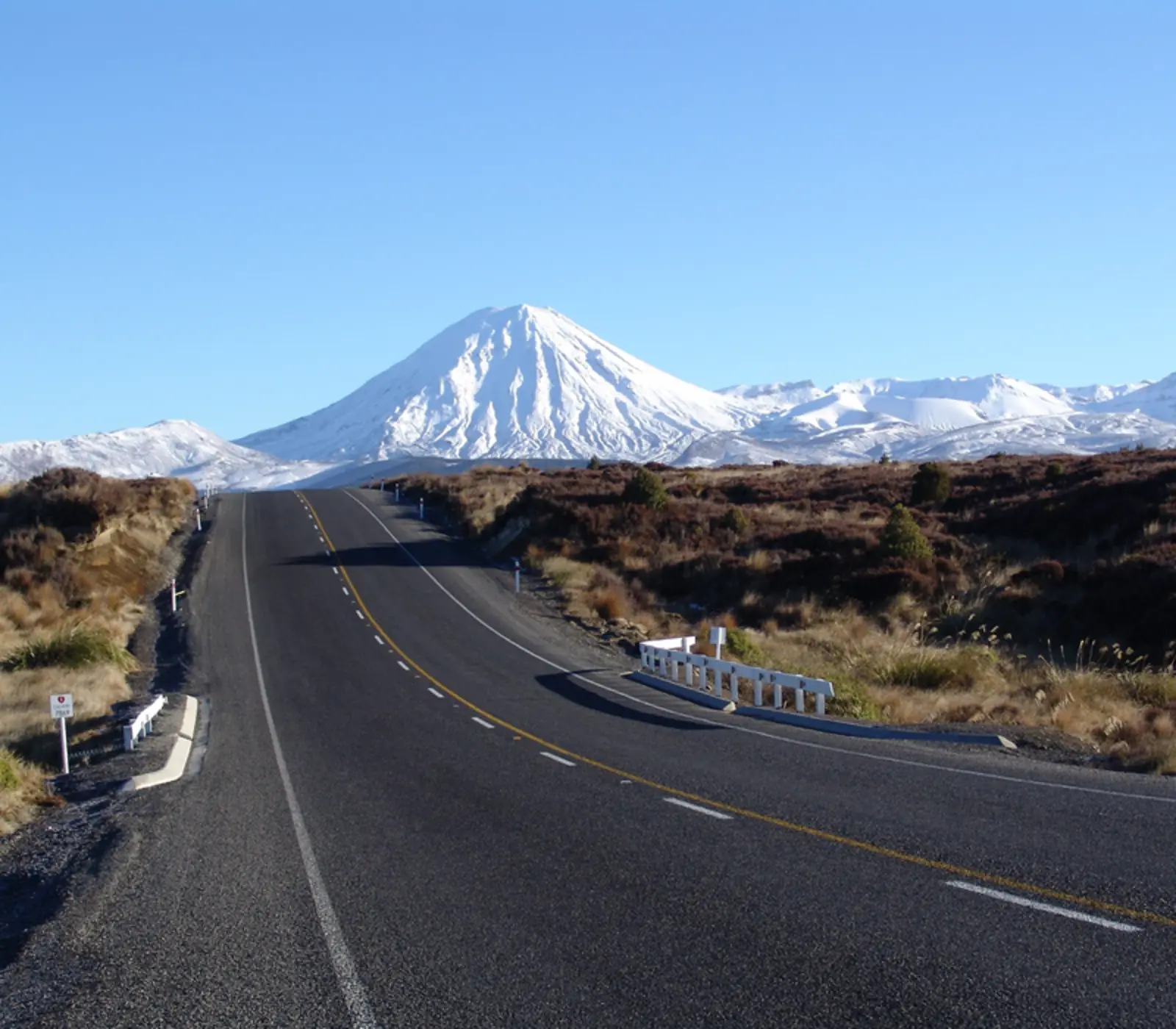
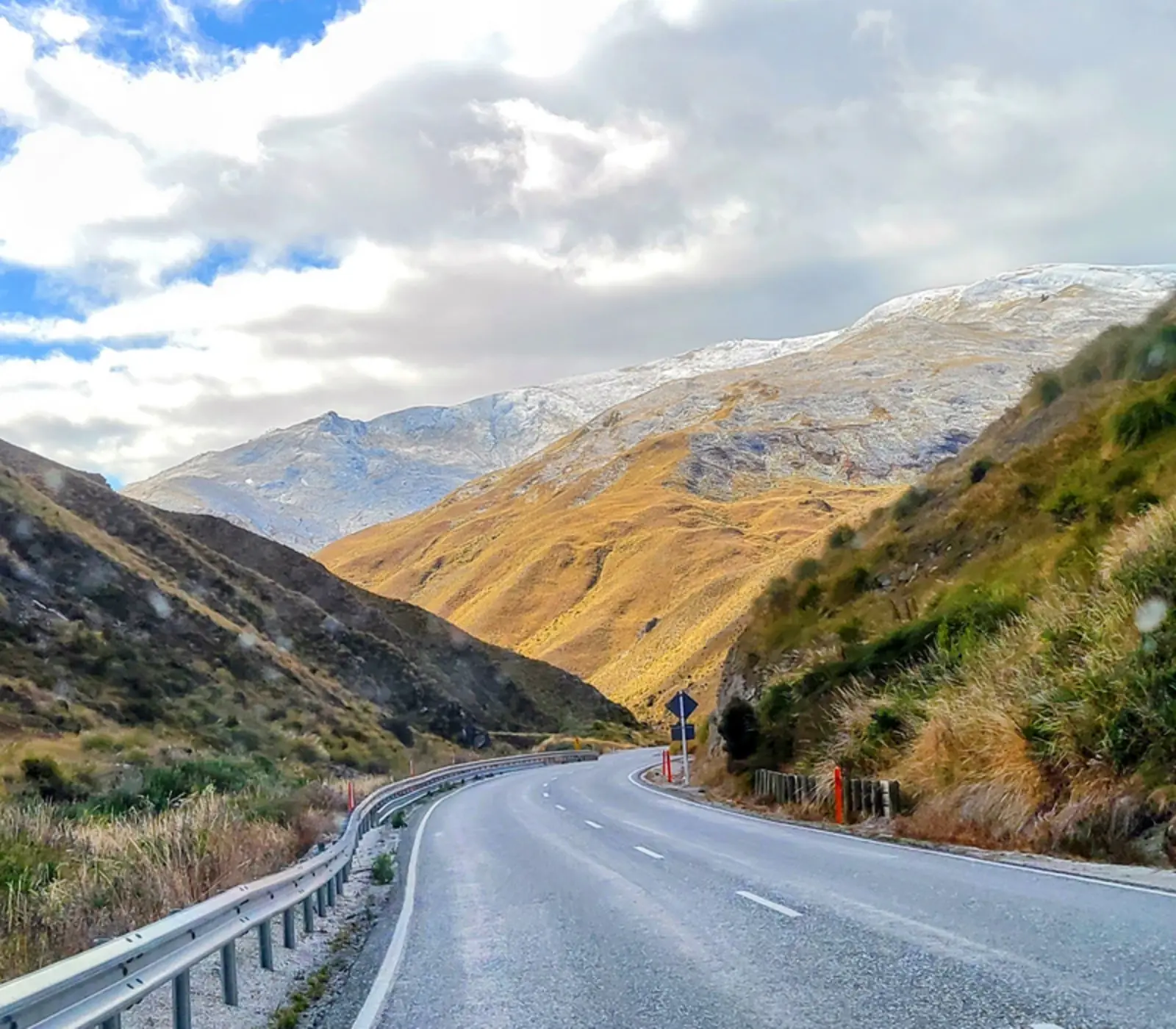
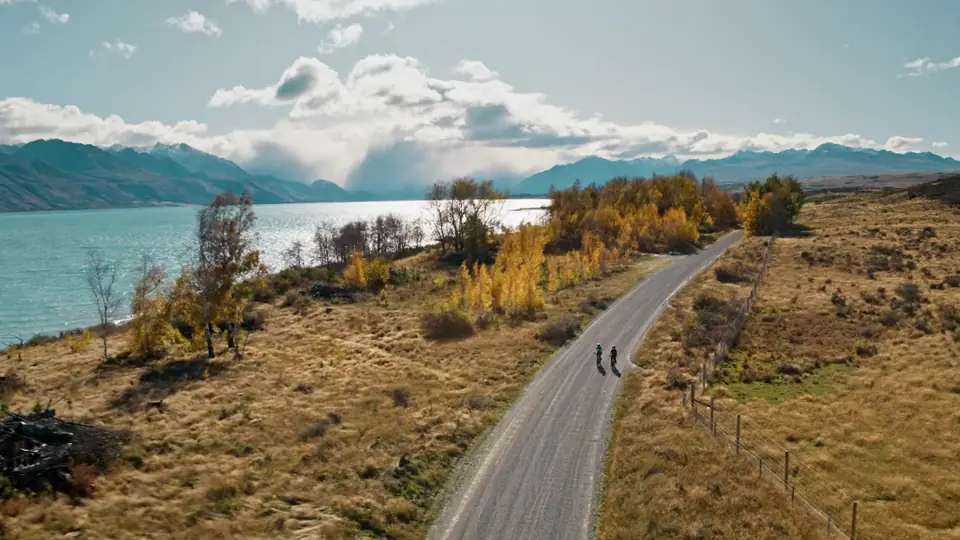
Tekapo is on State Highway 8, the road that links Christchurch and Queenstown through the middle of the island. From Christchurch the drive is 227 km, around three hours, across the Canterbury Plains, through Geraldine and Fairlie and over Burkes Pass into the basin. From Queenstown it is 256 km and about three hours, over the Lindis Pass and through Omarama and Twizel. Neither is difficult in summer. In winter both passes can need chains, and black ice is a real risk on shaded corners in the morning.
| From | Distance | Driving time | How our tours do it |
|---|---|---|---|
| Christchurch | 227 km | About 3 h | Coach or self drive; 9 itineraries arrive from here |
| Queenstown | 256 km | About 3 h | Via the Lindis Pass; 4 itineraries come this way |
| Aoraki / Mount Cook Village | 104 km | About 1 h 10 | Often a day stop between the two |
| Twizel | 60 km | About 45 min | The nearest larger town |
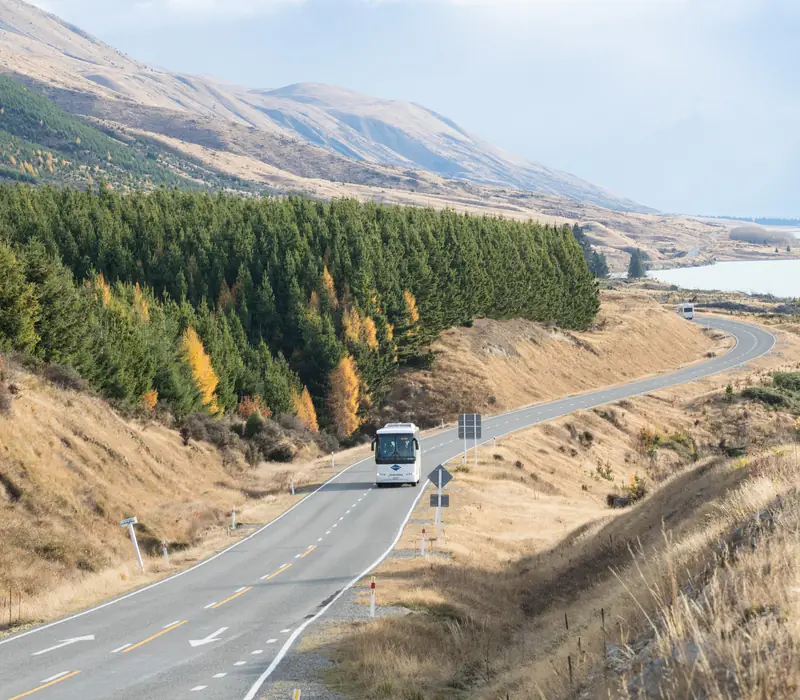
There is no scheduled air service. The nearest airports with regular flights are Queenstown, Christchurch and, a little closer but with fewer flights, Timaru. Coaches between Christchurch and Queenstown stop in the village, but getting from Tekapo to Mount Cook without a car or a tour is harder than it looks. The fuel station and small supermarket in the village are the last reliable ones before Twizel.
How long to stay, and Tekapo or Mount Cook
One night is the right answer for most people, and it is what 12 of our itineraries give it. Arrive in the afternoon, walk up Mt John or soak in the hot pools, eat early, and go stargazing. The next morning, drive on to Mount Cook or Queenstown. Two nights make sense if you want a scenic flight with a weather buffer, or a quiet day on the lake. A stop of an hour gives you the church and a photograph and very little else.
Tekapo or Aoraki / Mount Cook as a base is a fair question, and our answer depends on what you want. Mount Cook Village is at the end of the road under the mountain, with the Hooker Valley Track from the door and few places to stay or eat. Tekapo has far more beds and restaurants, the stargazing operators, and the hot pools, and it is an hour and ten minutes from the Hooker Valley. If you have one night, we lean towards Mount Cook for walkers and Tekapo for everyone else. With two, do one of each. Our Lake Tekapo and Mackenzie guide has more on how the two fit together, and Twizel is the cheaper third option.
Where to stay at Lake Tekapo
Accommodation is almost all within walking distance of the lake shore, and much of it is newer than you might expect: the village has grown fast. The properties our itineraries use, with the number of our tours that sleep in each:
- Peppers Bluewater Resort, on the terrace above the lake, on 4 itineraries.
- Grand Suites Lake Tekapo, apartment-style suites, on 4.
- Galaxy Boutique Hotel, on 3.
- The Woolshed Suites, on 3.
Beyond those there are motels, a holiday park on the lake shore, backpackers and a lot of holiday homes, and on the high country stations around the basin, farm stays with dark skies of their own. Book early for summer, lupin season and school holidays; Tekapo fills up and there is little overflow nearby. Every tour that stops here is on our Lake Tekapo tours list.
What the itineraries do in Lake Tekapo
99 of our itineraries reach Lake Tekapo and 18 sleep there: 12 for 1 night, 3 for 2 nights, 2 for 3 nights, 1 for 4 nights. Counted from the day by day of every tour, so the numbers move with the catalogue.
- Dark Sky Project Summit Experience on 9 itineraries
- Tekapo Springs Hot Pools on 8 itineraries
- Mt Dobson Ski Area on 3 itineraries
- Roundhill Ski Area on 3 itineraries
- The Grand Traverse Scenic Flight with Air Safaris on 3 itineraries
- Dark Sky Project - Crater Experience on 2 itineraries
- Tekapo Springs Hot Pools, Ice Skating & Snow Tubing Combo on 2 itineraries
- 5 Day Lift Superpass with NZ Ski on 1 itinerary
Where they stay: Grand Suites Lake Tekapo (4), Peppers Bluewater Resort (4), Galaxy Boutique Hotel (3), The Woolshed Suites (3), Brinkley Resort Methven (1). Every property is named on its tour page, with the room grade.
Most arrive from Christchurch (9), Queenstown (4), Mount Cook (2) and carry on to Christchurch (7), Queenstown (5), Wānaka (2).