Places
Aoraki Mount Cook without the coach-window version
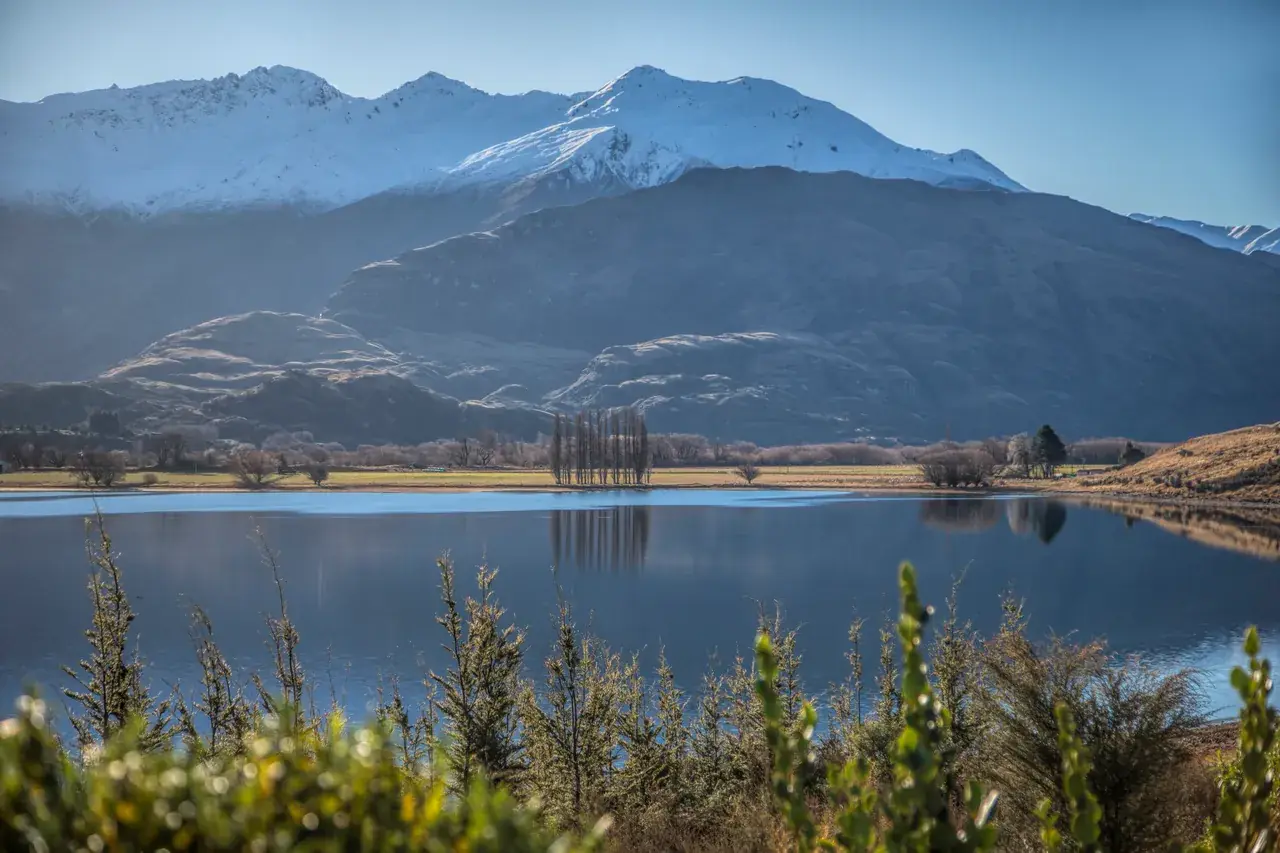
Aoraki Mount Cook is 3,724 metres of the Southern Alps standing at the end of a dead-straight road along Lake Pukaki, and the drive in is already one of the great approaches in world travel. The mistake most itineraries make is doing it as a photo stop. The valley’s best things, the Hooker Valley Track, the glacier lake, the night sky, all belong to people who stay. Here is how to do it properly.
The Hooker Valley Track is the main event
Three hours return, essentially flat, across three swing bridges to a lake where icebergs calve off the Hooker Glacier below the full south face of Aoraki. It is the best effort-to-reward walk in New Zealand and it is free. Go at first light: you get the alpenglow, the stillness, and a track that belongs to you and the kea rather than the midday stream. Note that the track is exposed and the weather turns fast; the DOC visitor centre posts conditions daily and is worth ten minutes regardless.
Glaciers, from the water or the air
- Tasman Glacier lake boats: New Zealand’s longest glacier now ends in a growing lake dotted with icebergs, and small boats get you close enough to touch thousand-year-old ice. Runs roughly September to May.
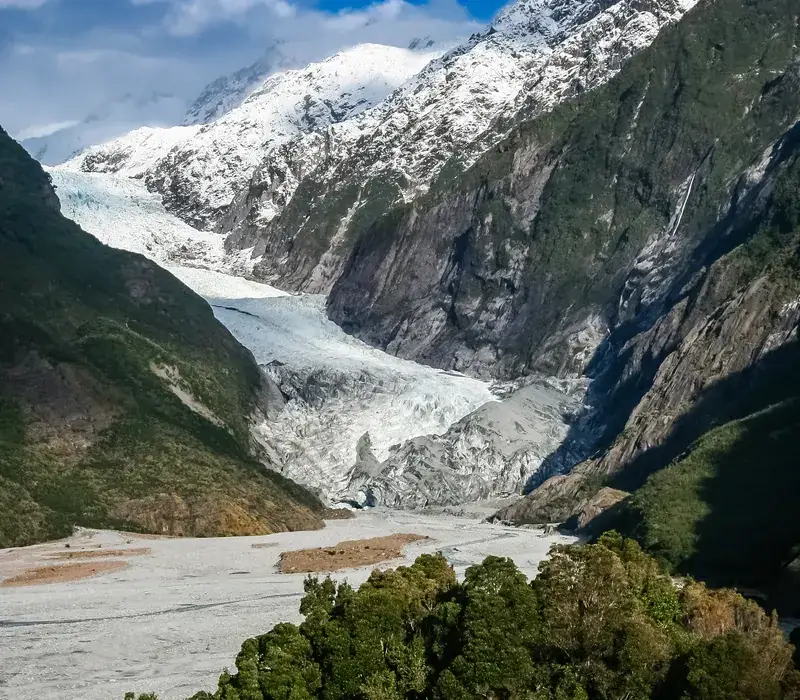
- Scenic flights and heli hikes: from here or from the West Coast side, aircraft land on the upper snowfields. It is the biggest spend of most trips and the one people defend hardest afterwards; see our Franz Josef guide for how the two sides compare.
- The Sir Edmund Hillary Alpine Centre in the village tells the story of the man who trained on these slopes before Everest, planetarium included, and rescues wet afternoons.
Staying in the valley
Mount Cook Village is tiny: one famous hotel (The Hermitage), a lodge, a motel row and a campground, all booked out well ahead in summer. That scarcity is the argument for planning: a village night buys you the dawn Hooker walk and membership of the darkest sky reserve in the country after the day visitors have gone. If beds are gone, Twizel and Lake Tekapo are 45 to 60 minutes out and still workable for an early start.
When to come
| Season | What you get |
|---|---|
| Summer (Dec to Feb) | All walks open, glacier boats running, alpine flowers including the Mount Cook lily in early summer. Book everything ahead. |
| Autumn (Mar to May) | Settled weather, thinner crowds, golden light. Our pick for photographers. |
| Winter (Jun to Aug) | Snow to low levels, crisp blue days between fronts, the village quiet. Hooker Valley usually passable but icy; check conditions. |
| Spring (Sep to Nov) | Avalanche-fed waterfalls, moody skies, boats resuming. Weather is the least settled of the year. |
| Season | The valley | Verdict |
|---|---|---|
| Summer, December to February | Long days, the Tasman lake boats running, the village full | Book the village months ahead; walk at dawn |
| Autumn, March to April | The clearest air of the year, still mornings, first snow on the tops | The pick |
| Winter, June to August | Snow to the valley floor some weeks, the track open when the avalanche risk allows, the sky at its darkest | For the stars and the silence; check the track status daily |
| Spring, September to November | Melt in the rivers, the Mount Cook lilies from November | The wettest months; keep a spare day |
Two nights in the valley in any season beats one, because the one thing the mountain does not do is appear on a schedule.
Quick answers
Trips that fit

Mount Cook Lily Tour
14 days across both islands, Wellington away to Christchurch, small group touring, never more than a minibus full. Strong on guided small group tours.
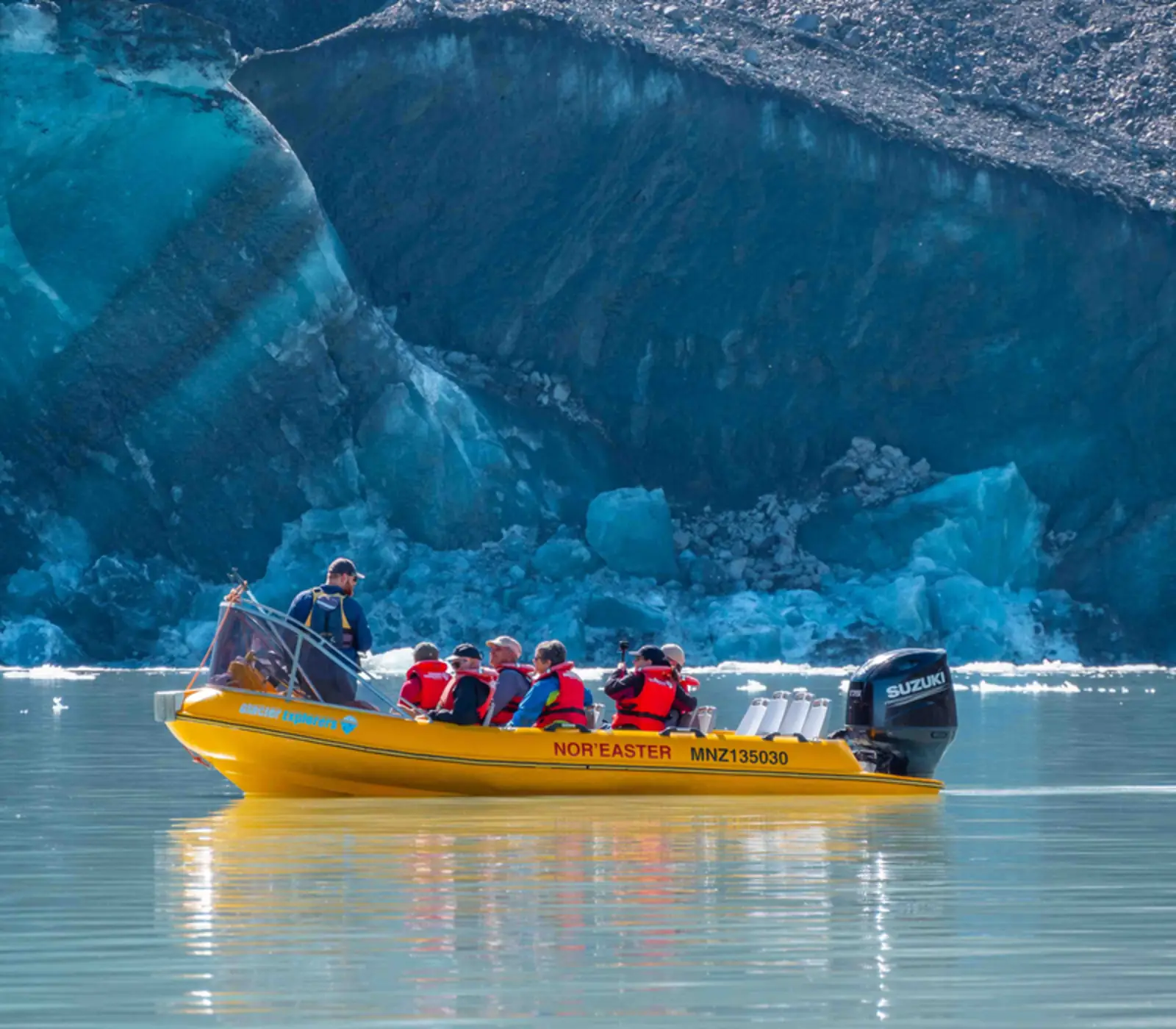
Alpine Icons Tour
10 days across the South Island, round trip out of Christchurch, driving yourself, with the route planned for you. Strong on adventure.
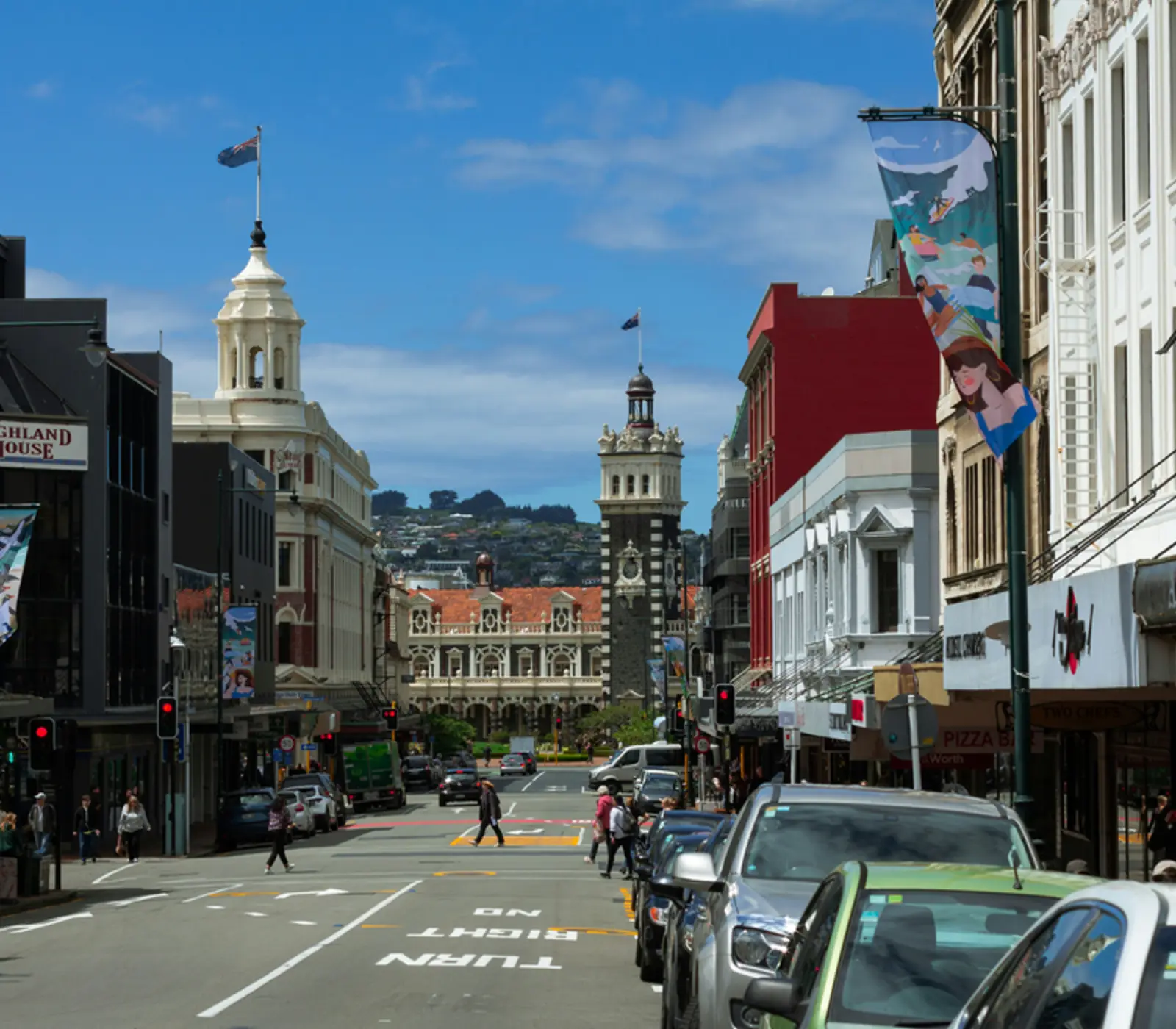
Dunedin, Milford Sound, Queenstown and Mt. Cook
6 days across the South Island, round trip out of Christchurch, guided the whole way, luggage and logistics handled. Strong on family touring.