Experiences
Stargazing in New Zealand: the dark sky reserve and how to use it
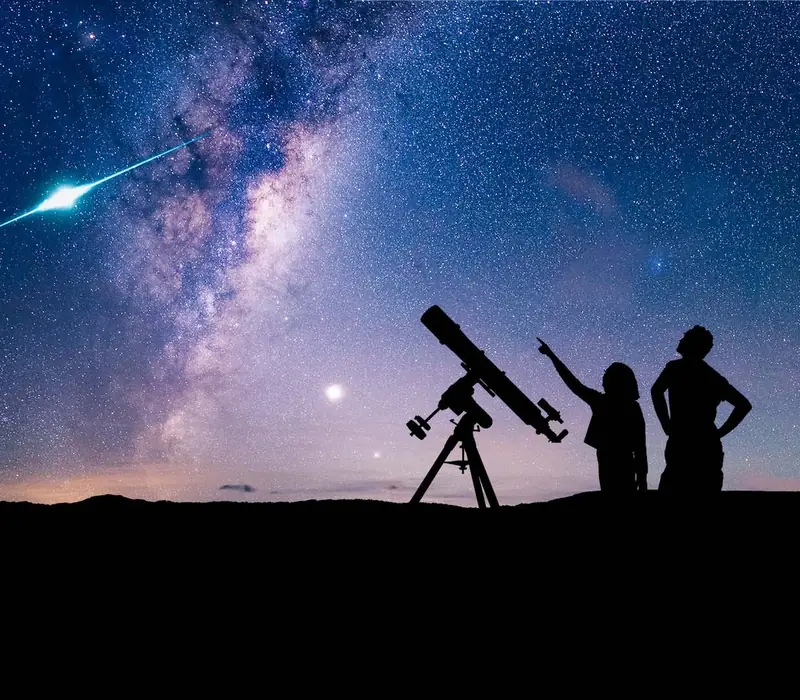
The Southern Hemisphere gets the better night sky, and it is not close: the centre of the Milky Way passes directly overhead, the Magellanic Clouds (two entire companion galaxies) are naked-eye objects, and northern visitors meet the Southern Cross for the first time. New Zealand adds low population, dry inland air and formal protection: the Aoraki Mackenzie International Dark Sky Reserve covers the Mackenzie Basin with gold-tier certified darkness. Here is how to actually use all that.
Where and how
- The Dark Sky Project, Tekapo: the flagship operation, with summit tours at Mount John observatory and lakeside sessions. Real telescopes, guides who know both the astrophysics and the Maori star lore, and Saturn’s rings when it is up.
- The Hermitage at Mount Cook: the Big Sky experience pairs the planetarium with outdoor telescope time; the village’s valley walls block stray light entirely.
- DIY, free: anywhere in the Mackenzie on a clear night, walk five minutes from your accommodation lights, give your eyes twenty minutes, and the Milky Way does the rest. A reclining picnic chair is the only equipment that matters.
- Elsewhere: Great Barrier Island and Stewart Island both hold dark sky certifications, and Wai-iti near Nelson is the local secret. But the Mackenzie is where itineraries already go.
Timing the sky
| Factor | The play |
|---|---|
| Moon | The single biggest variable: plan star nights within a week of the new moon if you can. A full moon washes out the Milky Way entirely. |
| Season | The galactic core is highest and brightest roughly April to September: winter is prime Milky Way season, cold and worth it. Summer nights are warmer but astronomical darkness arrives late. |
| Aurora | The aurora australis reaches the southern South Island during strong solar activity: Otago and Southland horizons, camera first (sensors see colour eyes cannot). A bonus, never a promise. |
| Weather | The Mackenzie sits in rain shadow and clears often, but book stargazing for your first night in the area so a cloudy forecast leaves a second chance. |
The sky by month
| When | What is up | Notes |
|---|---|---|
| December to February | Orion overhead, the Magellanic Clouds high, the Milky Way core rising before dawn | Short nights; sessions start late |
| March to May | The core of the Milky Way climbing in the evening, Scorpius and Sagittarius | The best balance of dark hours and warmth |
| June to August | The core directly overhead by nine, Matariki at dawn in June and July, aurora possible on active nights | Long, cold, clear nights; the pick |
| September to November | The core setting, the Magellanic Clouds returning, spring weather | Spring nor’westers; the most changeable skies of the year |
Winter is the season for the sky: fourteen hours of dark, the galaxy overhead at dinner time, and the coldest, clearest air of the year. Dress for well below freezing on the summit.
Ten minutes of preparation
- Check the moon: the week around the new moon is dark, the week around the full moon is not, and the tour is better in the first.
- Give your eyes twenty minutes without a phone screen; red light only.
- Layers, gloves and a hat in every month; the summit is a thousand metres up and the wind is constant.
- A reclining chair or a mat for the free version; the neck gives out before the sky does.
- Book the tour for the first night of a two-night stay, so the cloud has a second chance.
Quick answers
Trips that fit
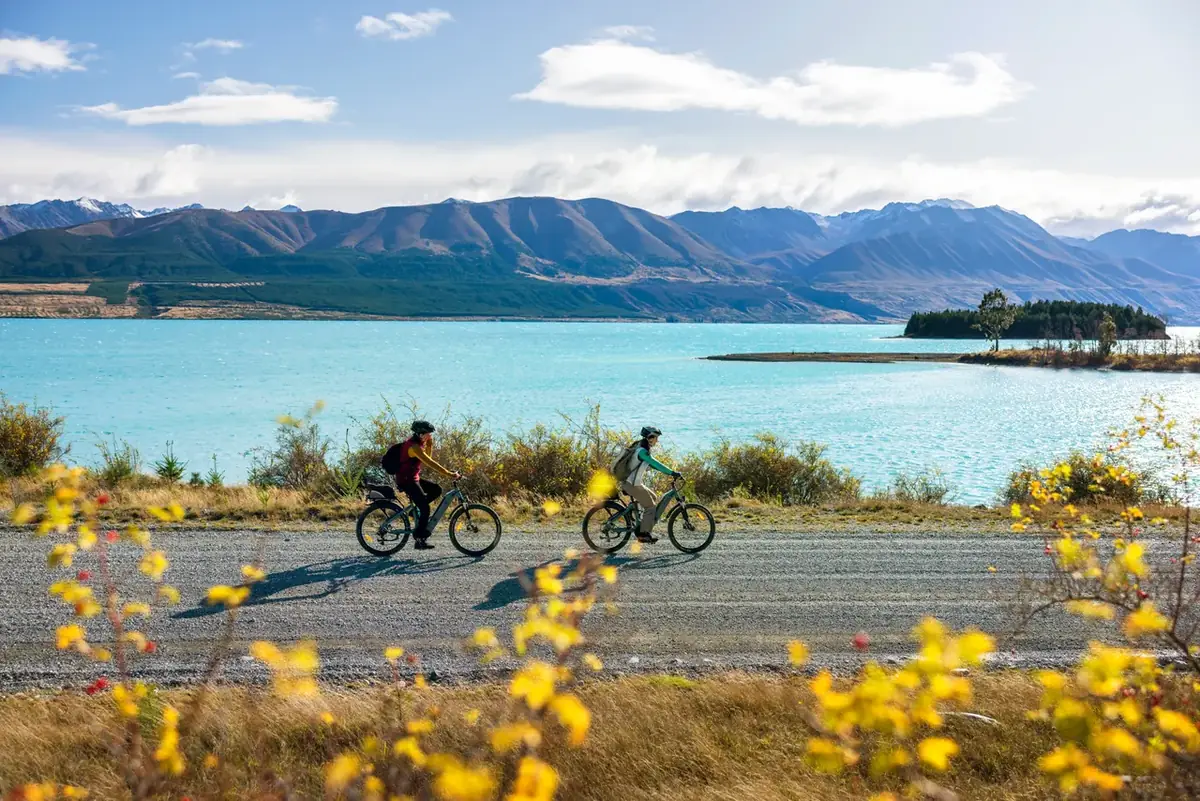
Alpine Icons Tour
10 days across the South Island, round trip out of Christchurch, driving yourself, with the route planned for you. Strong on adventure.
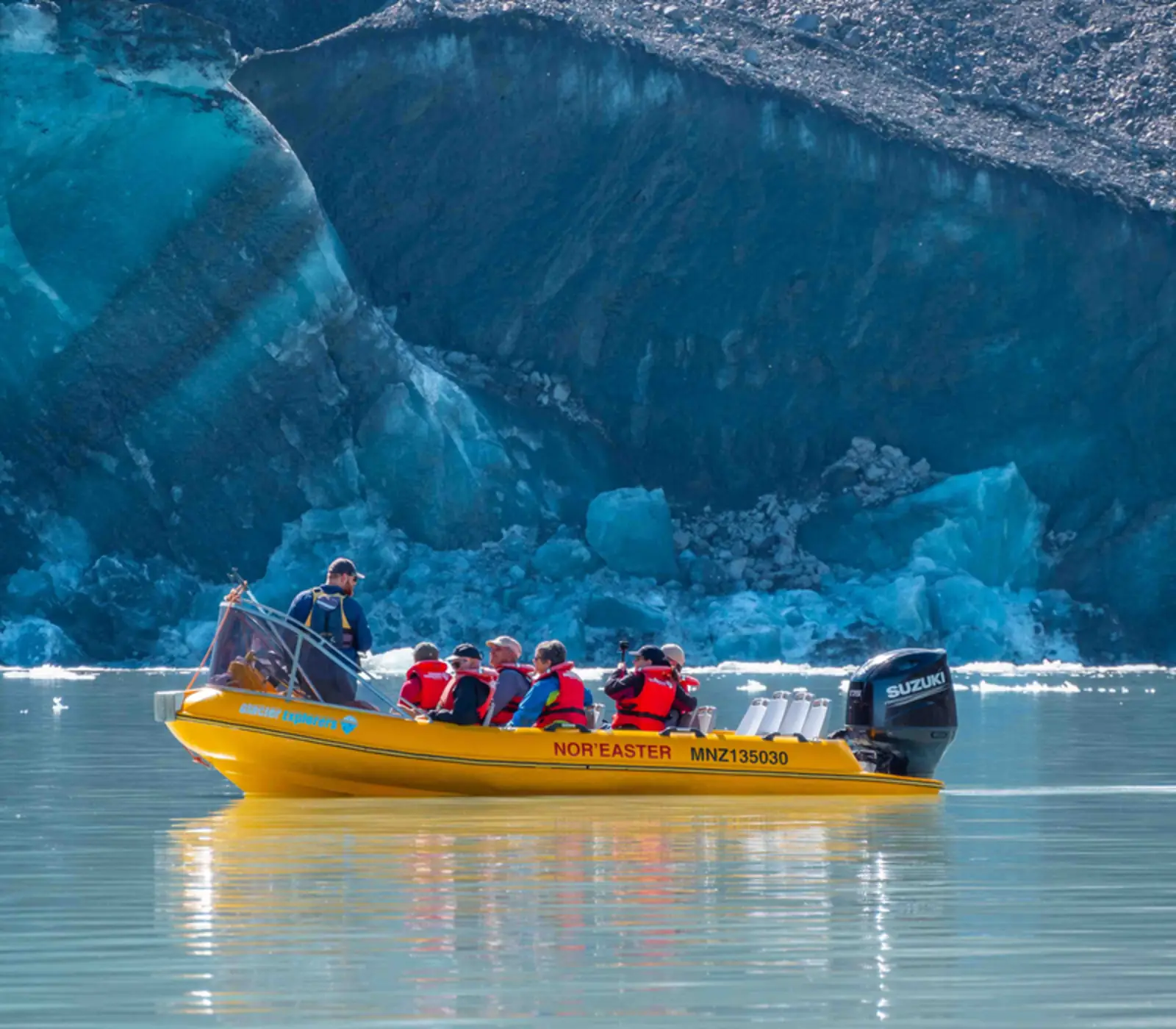
Mount Cook Lily Tour
14 days across both islands, Wellington away to Christchurch, small group touring, never more than a minibus full. Strong on guided small group tours.
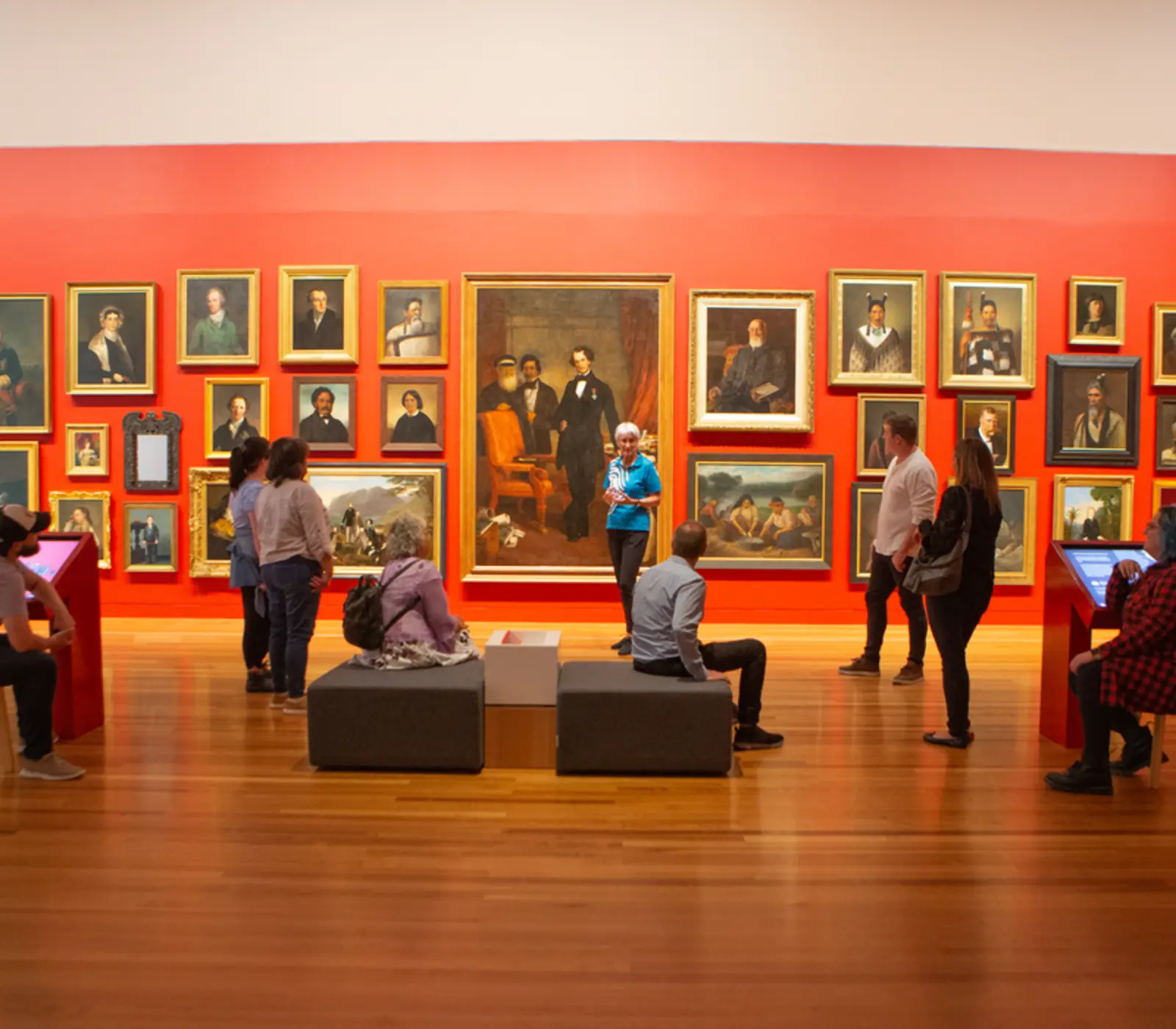
8 day Southern Alps Explorer
8 days across the South Island, a loop from Christchurch, with a driver guide and everything arranged. Strong on adventure.