Practical
Is New Zealand safe? The plain risk list
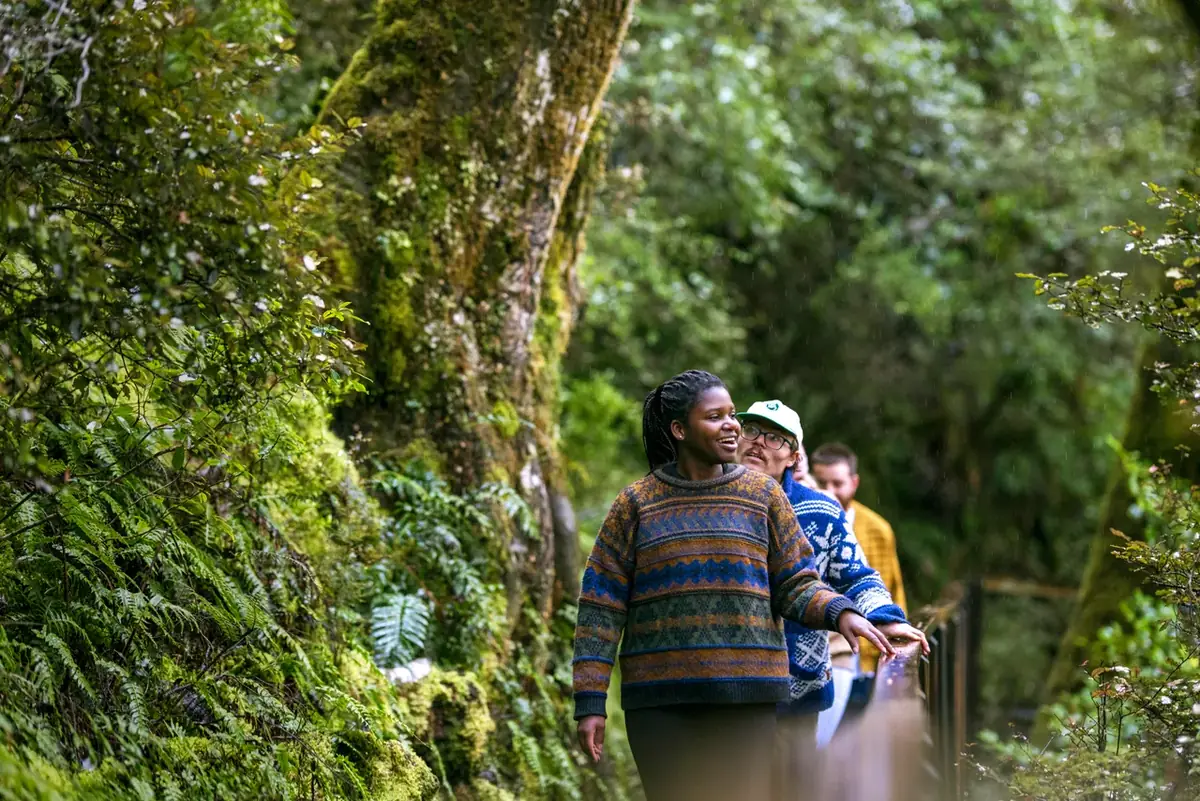
New Zealand consistently ranks among the world’s safest countries: top five on the Global Peace Index year after year, low violent crime, no dangerous wildlife, a police force people trust, drinkable tap water. The genuine risks are outdoors, and they are the ones travel forums under-discuss because they are unglamorous: weather, rivers, roads and the sun. Calibrate for those and this is about as safe as travel gets.
Crime, in proportion
Violent crime against tourists is rare. The crime that does touch visitors is mundane: theft from parked cars at trailheads and beach car parks, where a visible bag behind glass is an invitation. Take valuables on the walk or leave them at the hotel, keep nothing in sight, and the problem largely ceases to exist. Cities have ordinary city rules after midnight. That is the extent of the briefing.
The risks that actually rate
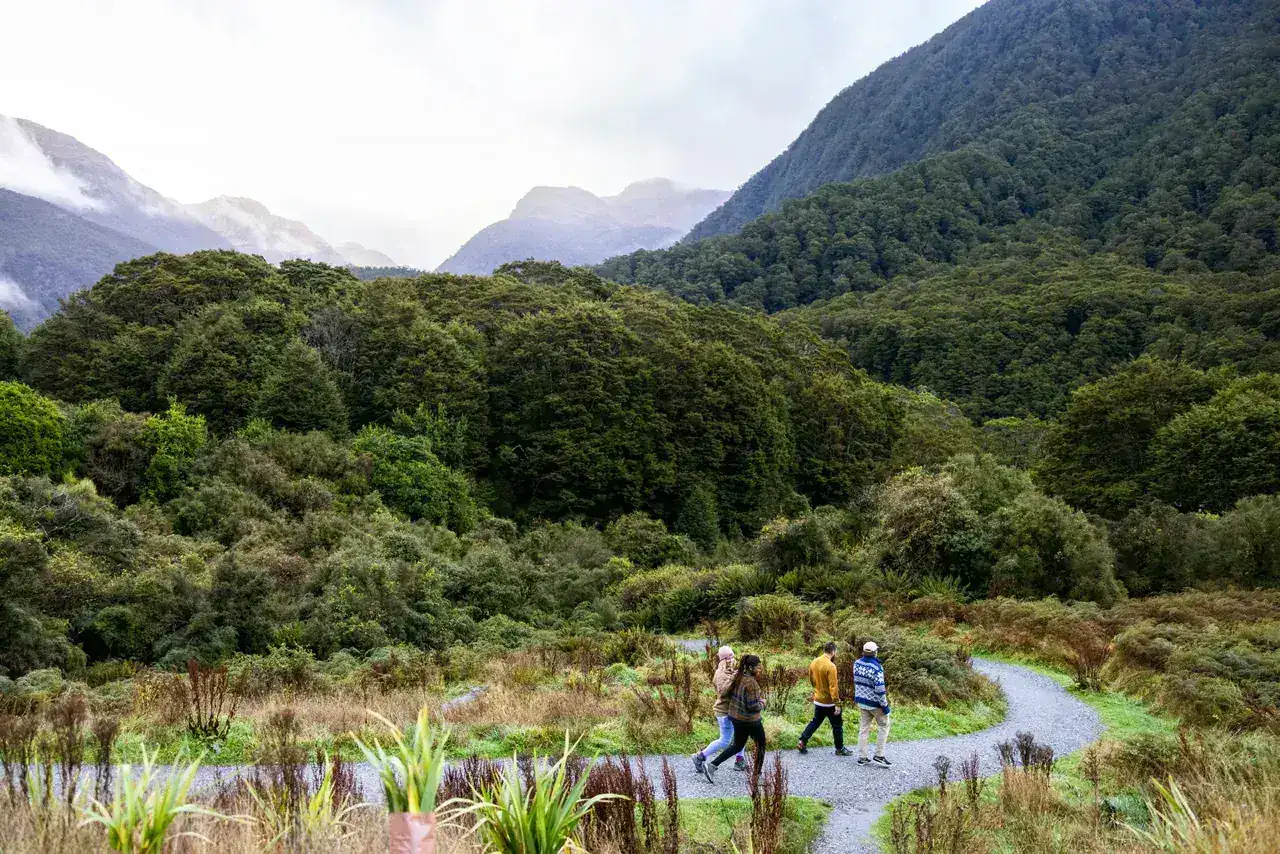
- Alpine weather: it changes in an hour and hypothermia happens in summer here. The rules that keep people alive are boring and effective: check forecasts, carry layers, tell someone your plans, and turn back when the cloud comes down. The Tongariro Crossing guide shows what this looks like in practice.
- Rivers: the traditional deadliest hazard in the backcountry. If a crossing is above your knees and moving, it is a no. Rain upstream raises rivers fast.
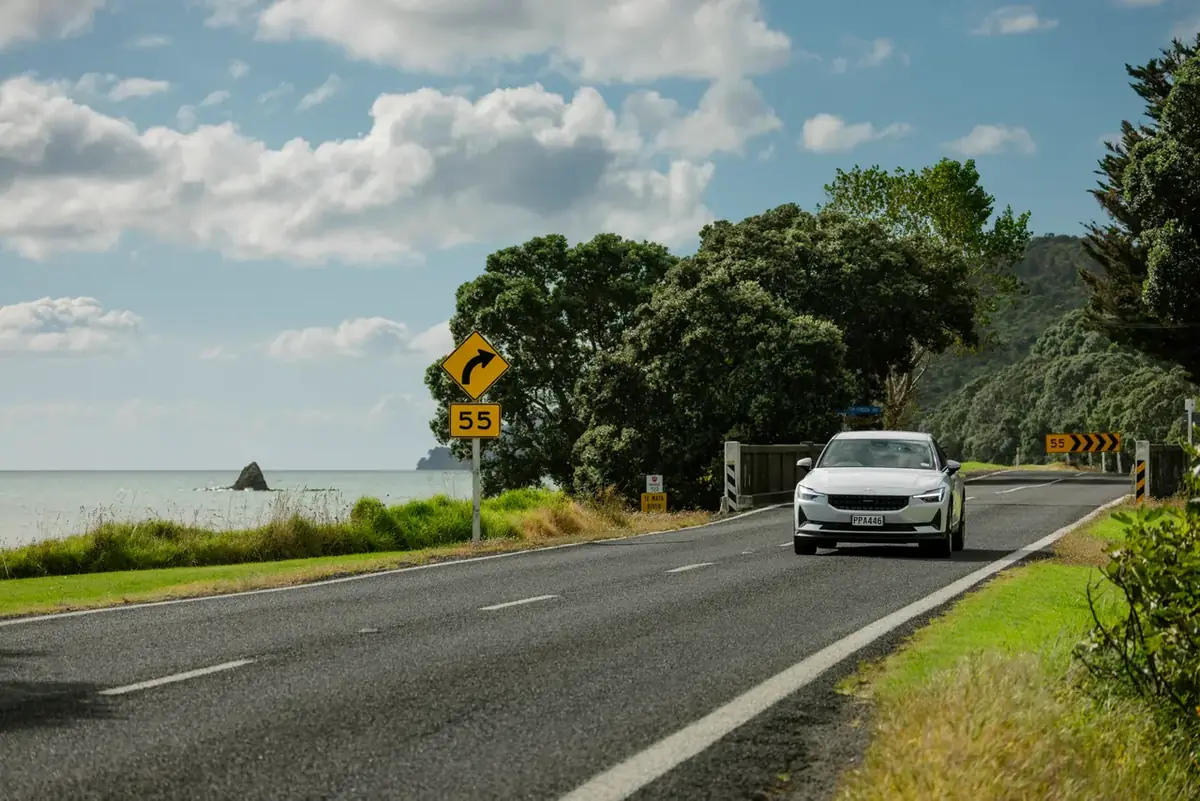
- Roads: not dangerous, but different: narrow, winding, undivided, and longer than they look. Fatigue after a long-haul landing is the specific trap; never drive far on arrival day. The driving guide covers the rest.
- Beaches: rips on the surf coasts. Patrolled beaches, between the flags, and the west coast treated with respect.
- Sun: burn-time minutes in summer. SPF50 is protective equipment, not a cosmetic.
Earthquakes, and everything else
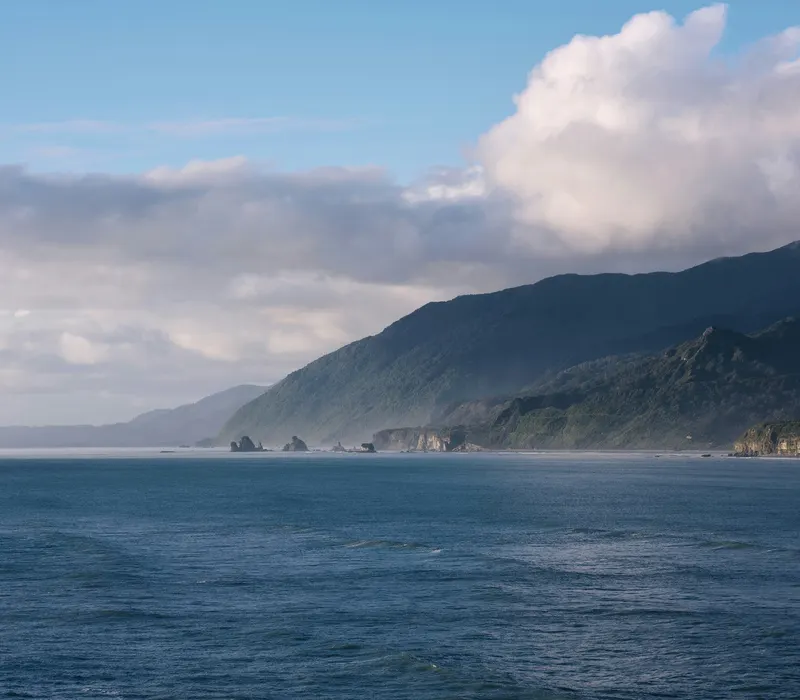
New Zealand sits on a plate boundary, small quakes happen constantly, and building codes are among the world’s strictest because of it. The odds of a tourist experiencing anything beyond a rattle are very low; the drill if one hits is drop, cover, hold, and if you are on the coast and the shaking is long or strong, move inland and uphill without waiting for sirens. Solo travellers, including women, rate New Zealand among the easiest countries anywhere, and our solo guide goes deeper. Emergency number: 111, for everything.
The country tests its tsunami sirens and its emergency mobile alerts regularly; a loud alert on your phone in the first week is a test unless the message says otherwise.
The numbers, in proportion
| Risk | How it reaches visitors | What removes it |
|---|---|---|
| Theft from cars | Bags visible at trailhead and beach car parks | Nothing in sight, valuables on the walk |
| Road crashes | Fatigue on arrival day, the wrong side at empty intersections | No long drive on landing day, a keep-left note on the dash |
| Alpine weather | Summer hypothermia on exposed tracks | Layers, forecasts, turning back |
| Rivers | Crossings above the knee | Wait, or go around; rain upstream raises them fast |
| Rips | West coast surf beaches | Patrolled beaches, between the flags |
| Sun | Fifteen minutes in summer | SPF50, reapplied |
Every serious risk in New Zealand is outdoors, predictable and avoidable with the boring rules. The emergency number is 111 for everything, and Search and Rescue would rather be called early than late.
Quick answers
Trips that fit

10 Day Signature South Island
10 days across the South Island, round trip out of Christchurch, guided the whole way, luggage and logistics handled. Strong on guided coach tours.
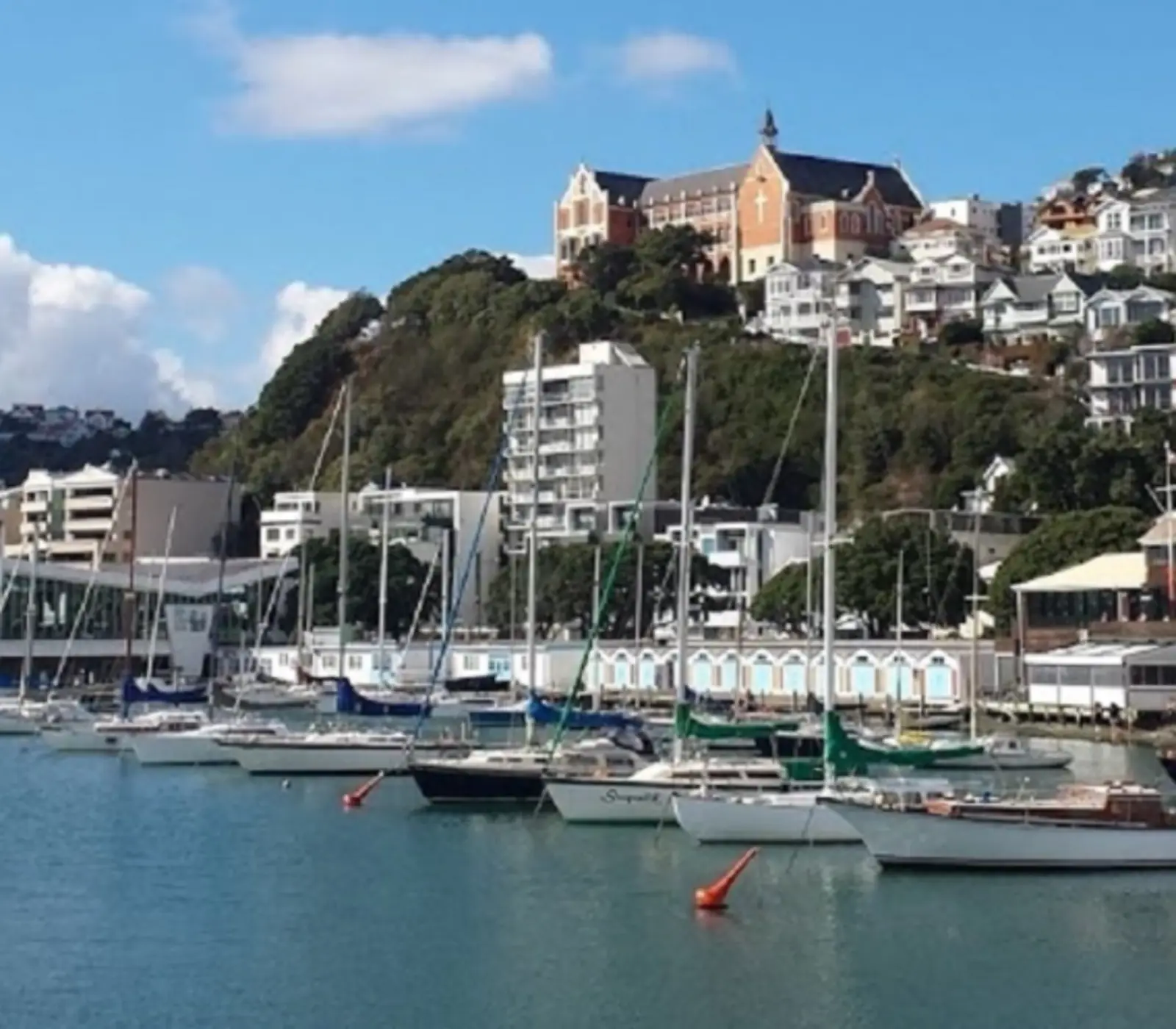
New Zealand Explorer
10 days across both islands, Auckland away to Queenstown, guided the whole way, luggage and logistics handled. Strong on family touring.
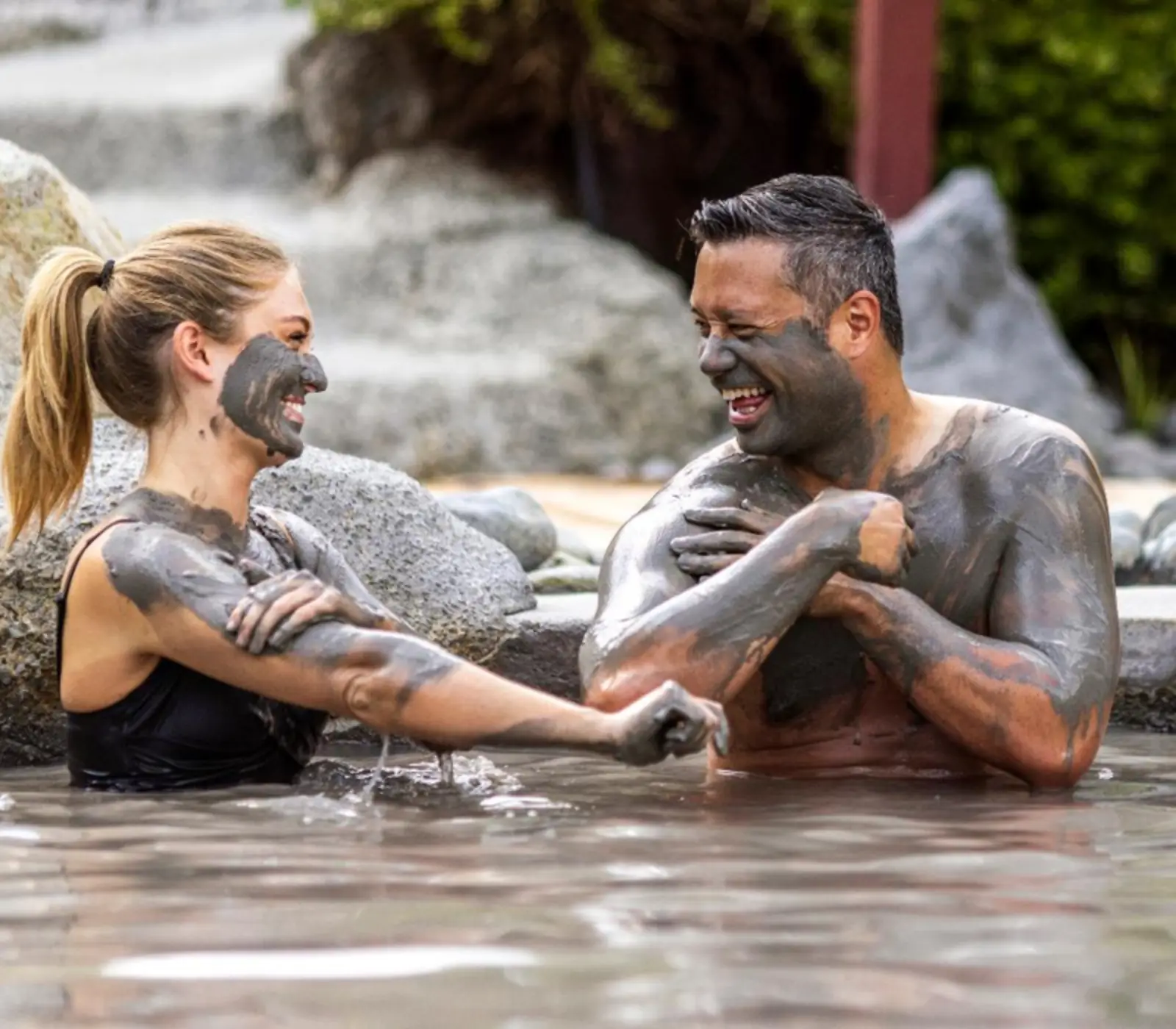
Stories of Aotearoa
22 days across both islands, from Auckland through to Christchurch, self drive, with every night booked ahead. Strong on food & wine.