Experiences
The Tongariro Alpine Crossing assessed
The Tongariro Alpine Crossing is 19.4 kilometres over an active volcanic massif, past craters, steaming vents and the impossibly coloured Emerald Lakes. On a clear day it is the best single-day walk in New Zealand and we will not hear otherwise. It is also a genuine alpine crossing that rescues dozens of underprepared walkers a year. Here is the plain version: what it takes, how the logistics work, and who should choose a different mountain.
How hard is it really?
Fit walkers do it in six to eight hours. The climb that matters is the Devil’s Staircase up to South Crater, then a loose scoria scramble to the Red Crater rim at 1,886 metres, the high point, before a long knee-testing descent. None of it is technical in summer, but all of it is exposed: there is no shelter, no water, and no shortcut off the top. The weather is the actual difficulty. The plateau makes its own, it changes in an hour, and the difference between the photos you have seen and a whiteout is one front. If the forecast is bad, the mountain will still be there tomorrow; the shuttles rebook readily because they cancel bad days themselves.
The logistics, which are half the trick
- It is one way: Mangatepopo car park to Ketetahi. Parking at the start is restricted to four hours, which is deliberate; nearly everyone books a shuttle from National Park village, Whakapapa, Taupo or Turangi, getting dropped at the start and collected at the end.
- Start early. Shuttles begin before dawn in summer, and an early start buys you the lakes before the main wave and slack in the day if you are slower than planned.
- Book ahead in summer. A booking system for track users and managed daily numbers apply in peak season; your shuttle operator handles most of it, which is one more argument for using them.
- Winter (roughly June to October) is a different sport: ice axe, crampons and the judgment to use them, or a guided winter trip. The colours are extraordinary; the risk without gear is real.
What you are walking through
Tongariro was New Zealand’s first national park and among the first places in the world given dual World Heritage status, for nature and for its meaning to Maori: the summits are tapu (sacred), gifted to the nation in 1887 by Ngati Tuwharetoa to protect them. That is why guides ask you not to touch the water of the Emerald Lakes or summit Ngauruhoe, the perfect cone Peter Jackson borrowed for Mount Doom. Respecting that is part of doing this walk properly, and the crossing needs no additions.
Basing yourself
Taupo is the comfortable base an hour out, with the most beds and the lake for your recovery swim; Turangi and National Park village are closer and quieter. The crossing slots naturally into any North Island itinerary between Rotorua or Taupo and Wellington, and several of our walking-focused itineraries build a spare weather day around it, which is the single smartest thing an itinerary can do here.
The day, timed
- 6am in summer: the shuttle from National Park Village or Whakapapa, forty minutes to Mangatepopo. Water filled, forecast checked, booking on the phone.
- 7am: the flat valley walk, an hour, then the Devil’s Staircase, another hour of steps to South Crater.
- 9.30am: the Red Crater ridge, the high point at 1,886 metres, wind guaranteed. The Emerald Lakes are twenty minutes of loose scoria below.
- 11am: Blue Lake, then the long zigzag down the northern slopes with Lake Taupo in front of you.
- 2pm to 3pm: Ketetahi car park, and the shuttle back. Legs finished; the hot pools in Taupo are an hour away.
Start before seven and the lakes are yours for ten minutes before the main wave arrives; start at nine and you walk in a queue. In winter the timings stretch, the crampons go on at the staircase, and the guided day is the sensible one.
What to carry
- Two litres of water each; there is none on the track and the Blue Lake is tapu, so no refilling or swimming.
- A rain jacket and a warm layer in every month, because the plateau is a thousand metres higher than Taupo and makes its own weather.
- Boots or grippy shoes; the scoria descent from Red Crater is the fall most people take.
- Sun cream, a hat, food for six hours, and a charged phone with the shuttle number saved.
- In winter: crampons, an ice axe and the skill to use them, or a guide.
Quick answers
Trips that fit
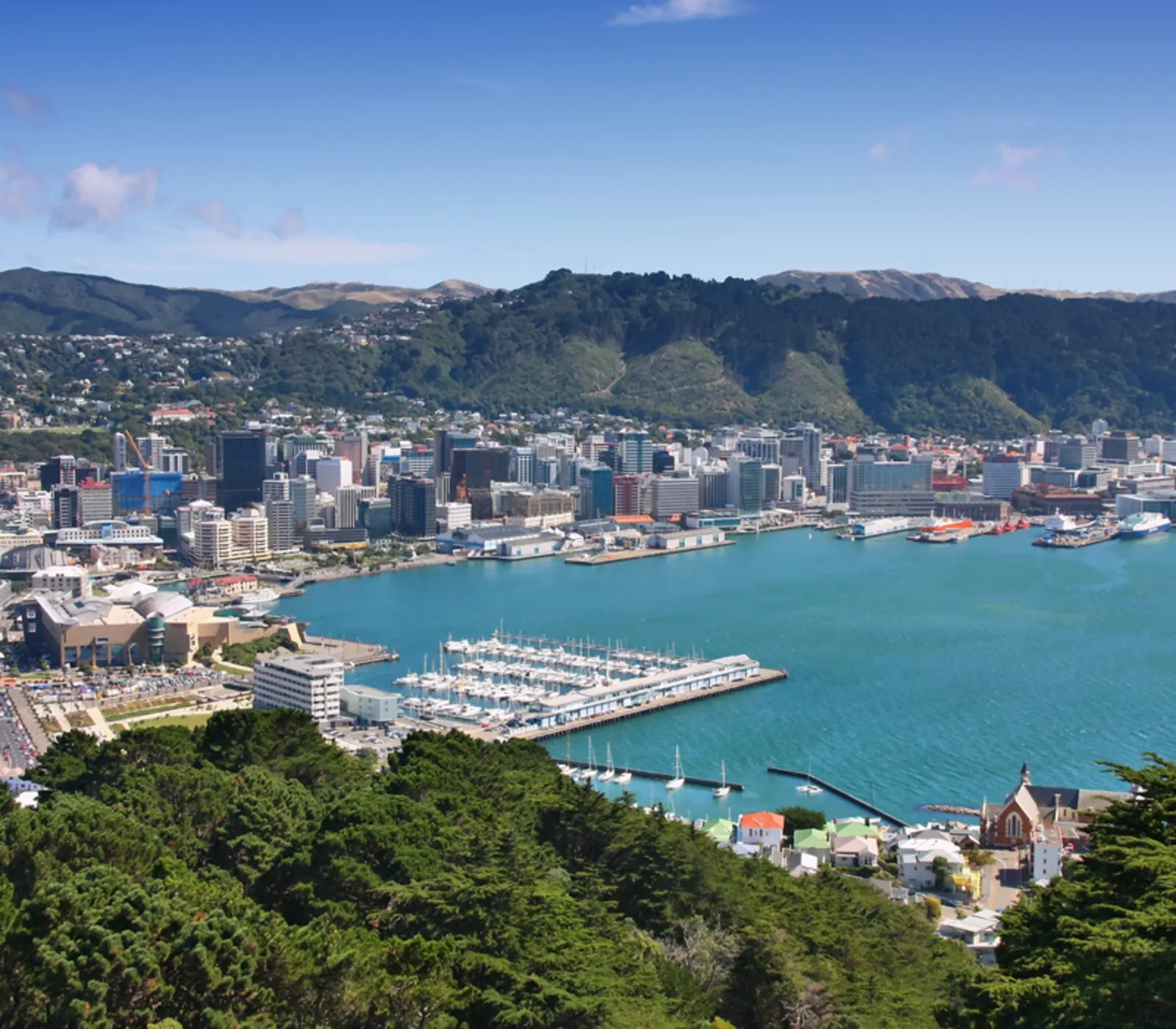
7 Day North Island Explorer
7 days across the North Island, Wellington to Auckland, at your own pace behind the wheel. Strong on adventure.
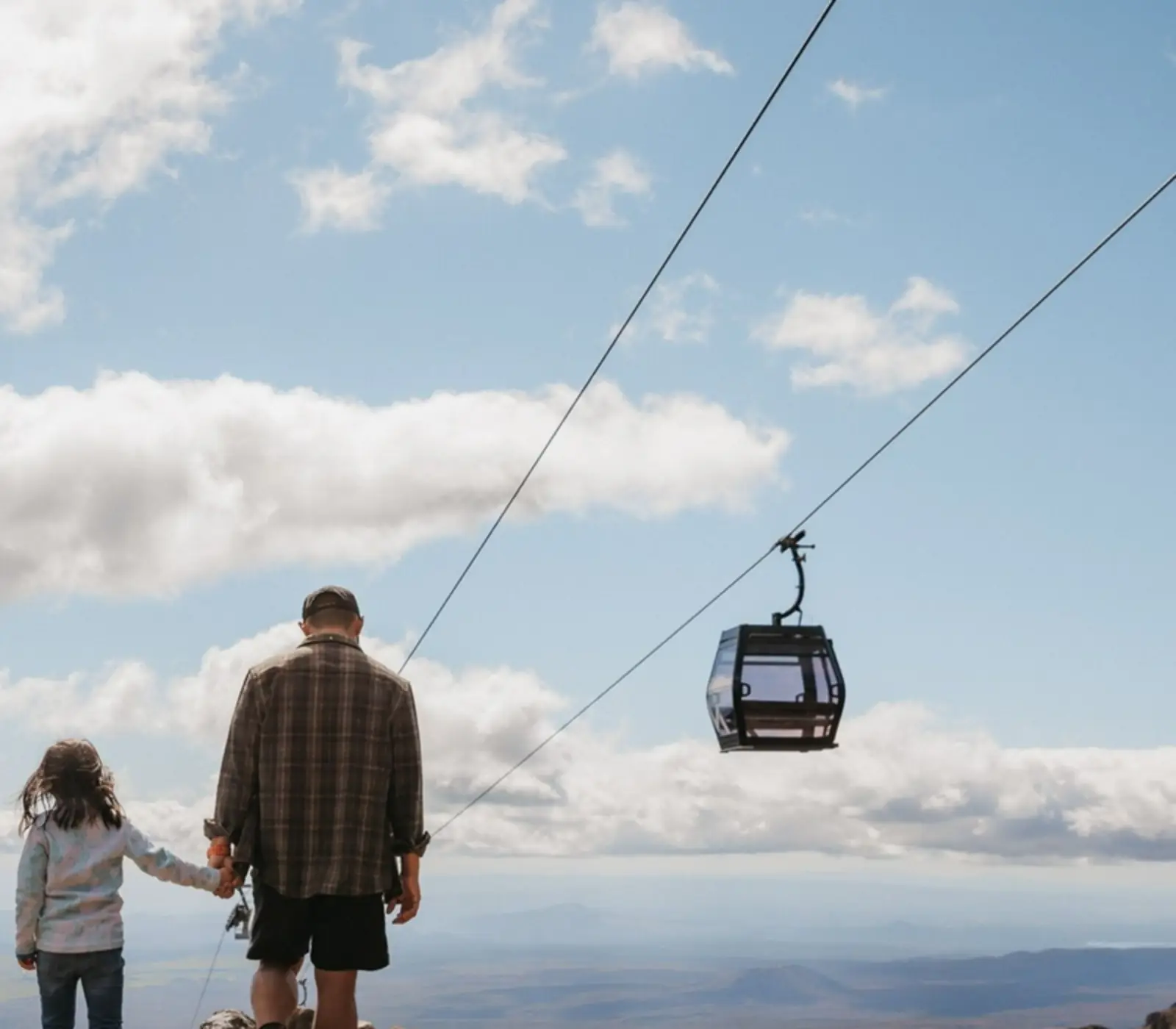
Auckland to Christchurch Hiking Exploration
15 days across both islands, Auckland away to Christchurch, driving yourself, with the route planned for you. Strong on adventure.

City Lights to Alpine Heights Tour
16 days across both islands, Auckland away to Queenstown, driving yourself, with the route planned for you. Strong on maori culture.