Practical
The 20 things visitors to New Zealand get wrong
Every season we watch smart, well-travelled people make the same twenty mistakes, because New Zealand looks familiar (English-speaking, left-driving, flat-white-drinking) while running on its own physics. Here is the list, ordered by how much grief each one causes.
Planning and driving
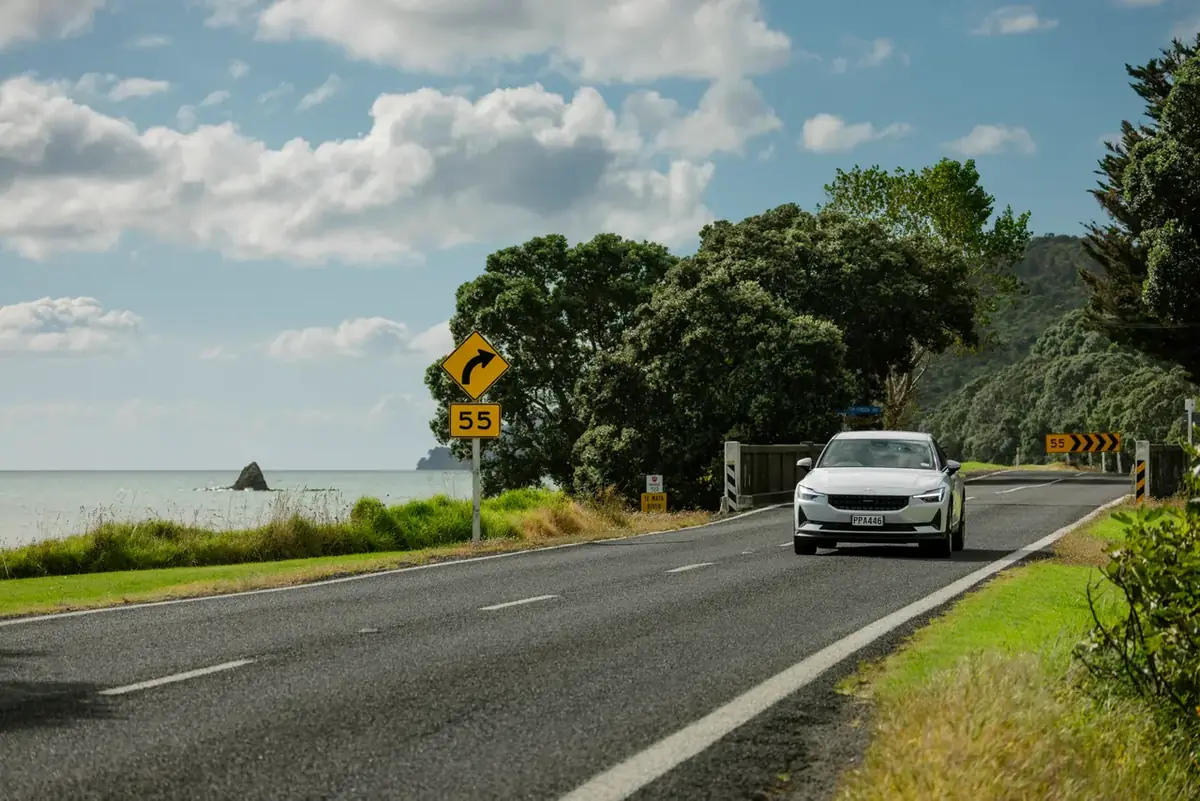
- Trusting map-app times: rural highways average 70 to 80 km/h in practice. Add a third to every estimate and the trip relaxes; our driving guide does the full maths.
- Moving every night: the classic first-timer itinerary has eleven beds in twelve nights. Two-night bases see more, not less.
- Trying to do both islands in ten days: pick one, or take two proper weeks.
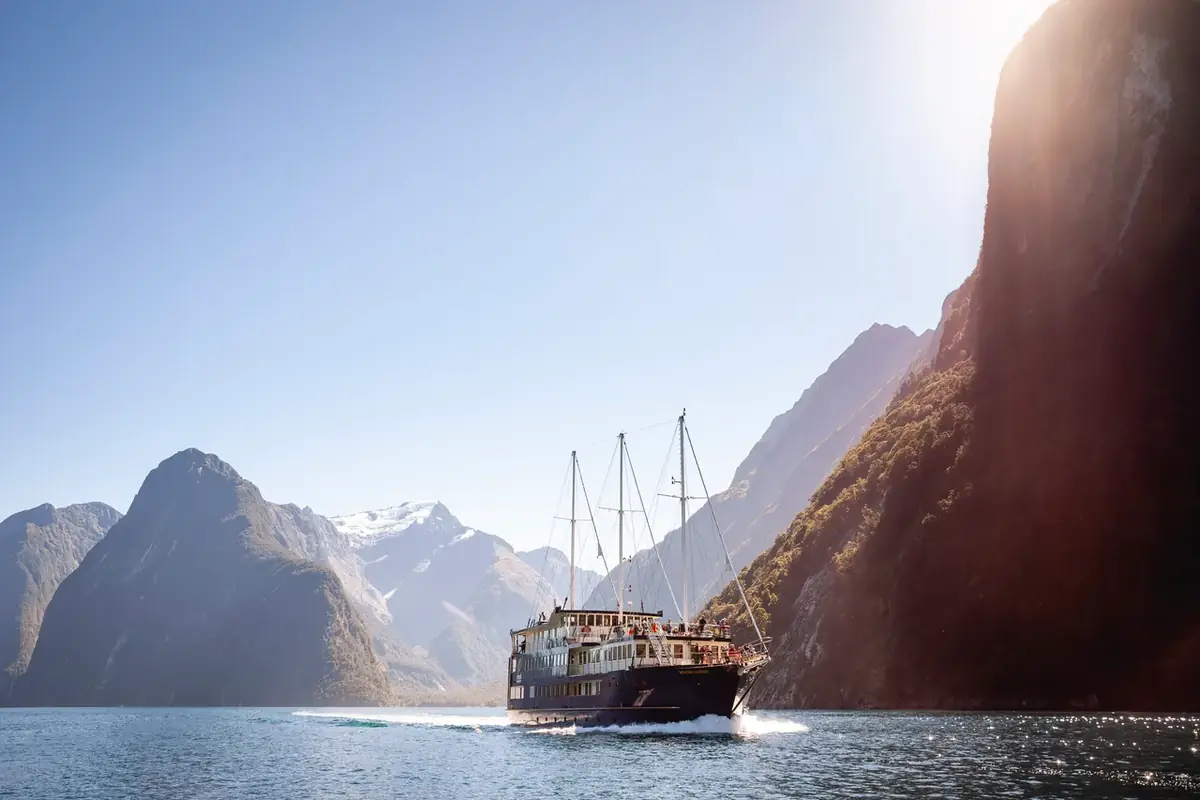
- Booking Milford Sound with no weather slack: the road closes, fog grounds flights. Put it early in the Fiordland stay so a second chance exists.
- Skipping travel insurance because the country feels safe: the country is safe; the activities and the distance from home are the exposure. See the insurance guide.
- Leaving the NZeTA to the airport: it can take up to 72 hours. Do it with the flight booking, via the official site only.
- Under-planning December to February and over-planning May: peak needs bookings months out; shoulder seasons reward spontaneity.
On the ground
- Underestimating four-seasons-in-a-day: the forecast is a mood board, not a contract. Layers beat one big coat; the packing list has the system.
- Meeting sandflies unprepared: on the West Coast and in Fiordland they are a genuine phenomenon. Repellent with DEET or picaridin, long sleeves at dusk, and they become an anecdote instead of a memory.
- Sun complacency: the UV here burns fast, clear-day or cloudy, thanks to clean air and a thin ozone history. SPF50, reapplied, even at 18 degrees.
- Assuming small towns feed you late: kitchens in rural towns close at 8pm sharp and many shops shut Sundays. Arrive by 7 or know your backup.
- Expecting phone coverage everywhere: the main highways are fine; Fiordland, the Catlins and mountain passes are not. Download offline maps before, not during.
- Swimming outside the flags on west coast beaches: the rips are professional-grade. Patrolled beaches, between the flags, always.
- Feeding kea, or leaving a car door open near one: the alpine parrot is endangered, brilliant and a convicted thief. Admire, never feed.
Culture and courtesy
- Trying to tip: genuinely not a custom. The price is the price; see currency and costs.
- Mangling place names without trying: a rough go at Maori pronunciation (every vowel sounds, "wh" says "f") is noticed and appreciated. Whakapapa is "fah-kah-pah-pah", and yes, everyone giggles once.
- Treating marae, summits and lakes as photo props: some are tapu (sacred). Where a sign or guide asks for distance or no drones, that is the culture speaking, not bureaucracy: our Maori culture guide explains the why.
- Not clearing the boots: biosecurity applies internally too. Clean footwear between hikes protects kauri trees and rivers, and wash stations at trailheads are there to be used.
- Rushing the pace of the country generally: shops close, roads wind, nobody hurries. The travellers who surrender to it earliest have the best trips.
- Confusing New Zealand with Australia within earshot of either nation. A joke until it is not. Different country, different accent, better mountains, and here you can check the wildlife: nothing is trying to kill you.
Five rules that changed since 2024
- The International Visitor Levy is NZ$100 per person, paid with the NZeTA, since 1 October 2024. Australians are exempt.
- Rental campervans have needed the green self-containment warrant since December 2024 to freedom camp; the old blue sticker no longer counts.
- The Tongariro Alpine Crossing has a free booking system, and a booking is required to use any shuttle, which in practice means everyone.
- Queenstown Lakes fines $750 from winter 2026 for driving its alpine roads without chains when the sign requires them.
- Cathedral Cove reopened on a rebuilt track in December 2024 after two years closed, and the Hooker Valley Track reopened in full in July 2026 on a new bridge.
Most of the twenty mistakes above are old; these five are new, and they are the ones the older guidebooks get wrong.
Quick answers
Trips that fit

Taste of the South Island
8 days across the South Island, starting and ending in Christchurch, self drive, with every night booked ahead. Strong on classic driving tours.
New Zealand Explorer
10 days across both islands, Auckland away to Queenstown, guided the whole way, luggage and logistics handled. Strong on family touring.
7 Day North Island Explorer
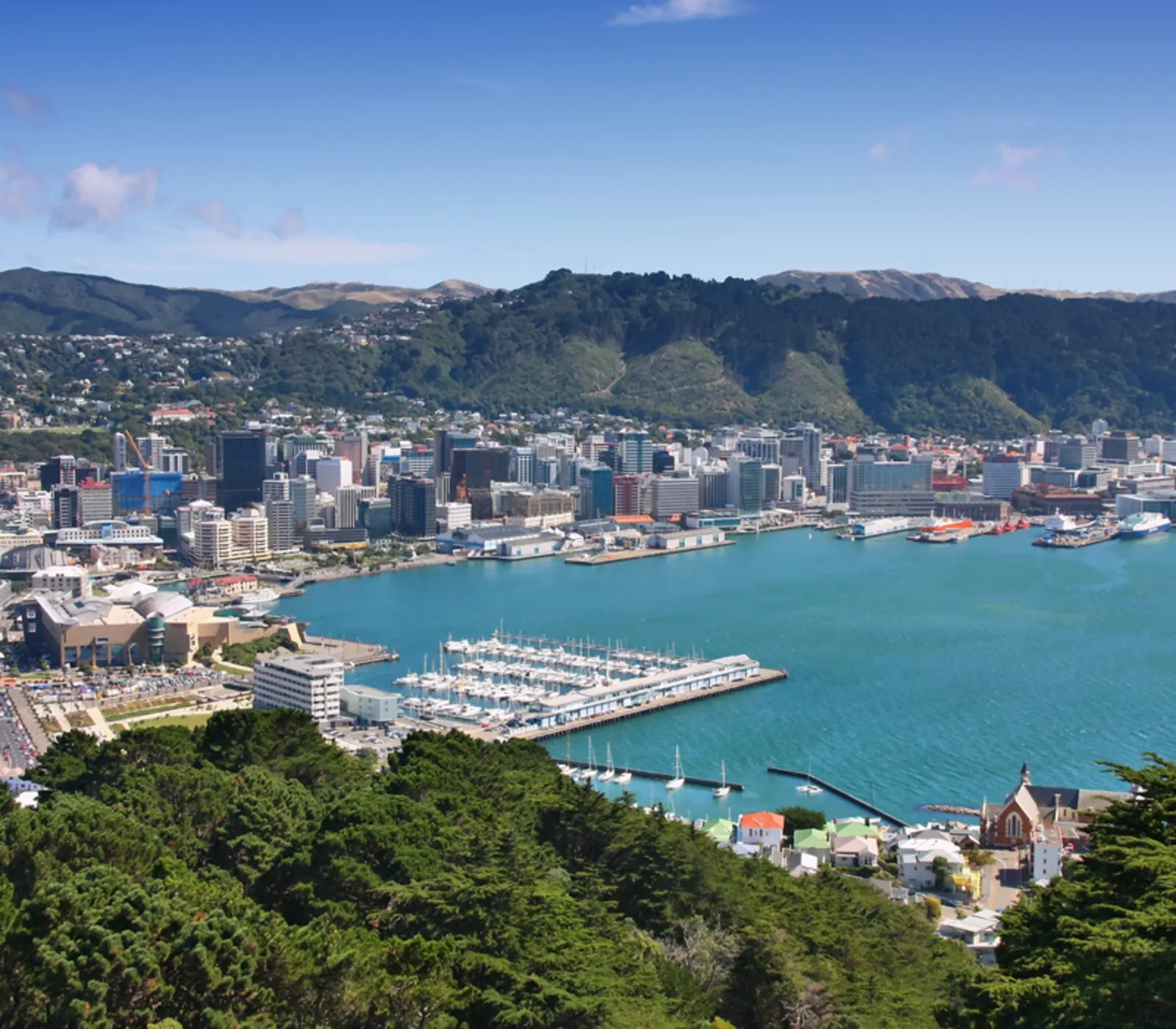
7 days across the North Island, Wellington to Auckland, at your own pace behind the wheel. Strong on adventure.