Experiences
Maori culture: how to experience it properly as a visitor
Maori are the tangata whenua, the people of the land, who navigated here from East Polynesia around seven centuries ago, and the culture a visitor meets today is not a historical re-enactment: te reo Maori is an official language you will hear on the news, the haka is performed at weddings and funerals as well as test matches, and the cultural experiences worth your money are owned and told by the iwi (tribes) whose stories they are. Meeting it well is mostly a matter of choosing the real thing and arriving curious.
The experiences worth booking
- A cultural evening and hangi in Rotorua: Te Pa Tu and Mitai are iwi-run evenings of welcome ceremony, performance, storytelling and a meal cooked in an earth oven. Consistently the night guests remember longest.
- Te Puia’s daytime combination: the national carving and weaving schools operate here, so you watch living masters teach, geysers erupting next door.
- The Waitangi Treaty Grounds in the Bay of Islands: where the treaty between Maori and the Crown was signed in 1840. The guided tour and museum give the history straight, including the hard parts.
- Whakarewarewa Living Village: a geothermal village continuously inhabited by Tuhourangi Ngati Wahiao people, who cook, bathe and live with the steam and show you how.
- Auckland War Memorial Museum and Te Papa in Wellington: the two great collections of taonga (treasures), free or near it, and the right first hour of any trip.
- Waka experiences: paddling a carved canoe on the Waitangi river or Rotorua lakes turns the migration story physical in a way no stage can.
Protocol, without the anxiety
Visitors worry about getting tikanga (protocol) wrong, and the reassurance is that hosts guide you through everything: the powhiri (welcome), the hongi (pressed-nose greeting), where to sit, when to speak. The few universals worth knowing: take shoes off when entering a wharenui (meeting house), never sit on tables or pillows, food and heads are both tapu-sensitive territory (do not touch a stranger’s head, do not pass food over one), and photography inside meeting houses is by permission. Learn two words and use them: kia ora (hello, thanks, cheers, all-purpose goodwill) and ka pai (well done, good). The effort is noticed and warmly received.
Beyond the stage
The culture is also simply in the country: place names (learn to say Whakatane as "fah-kah-TAH-neh" and doors open), the pounamu (greenstone) carving tradition of the West Coast, where the right etiquette is buying a piece as a gift rather than for yourself, Matariki, the Maori new year marked by a public holiday in June or July, and marae visible from every highway. Guides on our Maori culture focused itineraries carry these threads through the whole trip rather than confining them to one evening, which is how it should be.
Two days of it, on the route
- Bay of Islands: the Waitangi Treaty Grounds in the morning, the guided tour and the performance, then the waka on the river if the tide and the season allow.
- Rotorua: Te Puia by day for the carving school and the geysers, a village tour at Whakarewarewa, and the cultural evening with the hangi after dark.
- Wellington: Te Papa for He Toi Whakairo and the marae on the fourth floor, which is open to all visitors.
- The West Coast: Hokitika for pounamu, bought as a gift and carved by the people whose stone it is.
Waitangi for the history, Rotorua for the living culture, Te Papa for the art: three stops, and the whole thread of the story in the order it happened.
Matariki, and the calendar
Matariki, the Maori new year marked by the midwinter rising of the Pleiades, has been a public holiday since 2022 and falls on a Friday each year: 10 July 2026, 25 June 2027, 14 July 2028. The weekend brings dawn ceremonies, star sessions, kai and light festivals in most towns, and it is the one holiday in the calendar built around the sky rather than a date. Waitangi Day on 6 February is the other fixed point, with the dawn service and the waka at the Treaty Grounds. The Matariki guide has the dates and the events around them.
Quick answers
Trips that fit
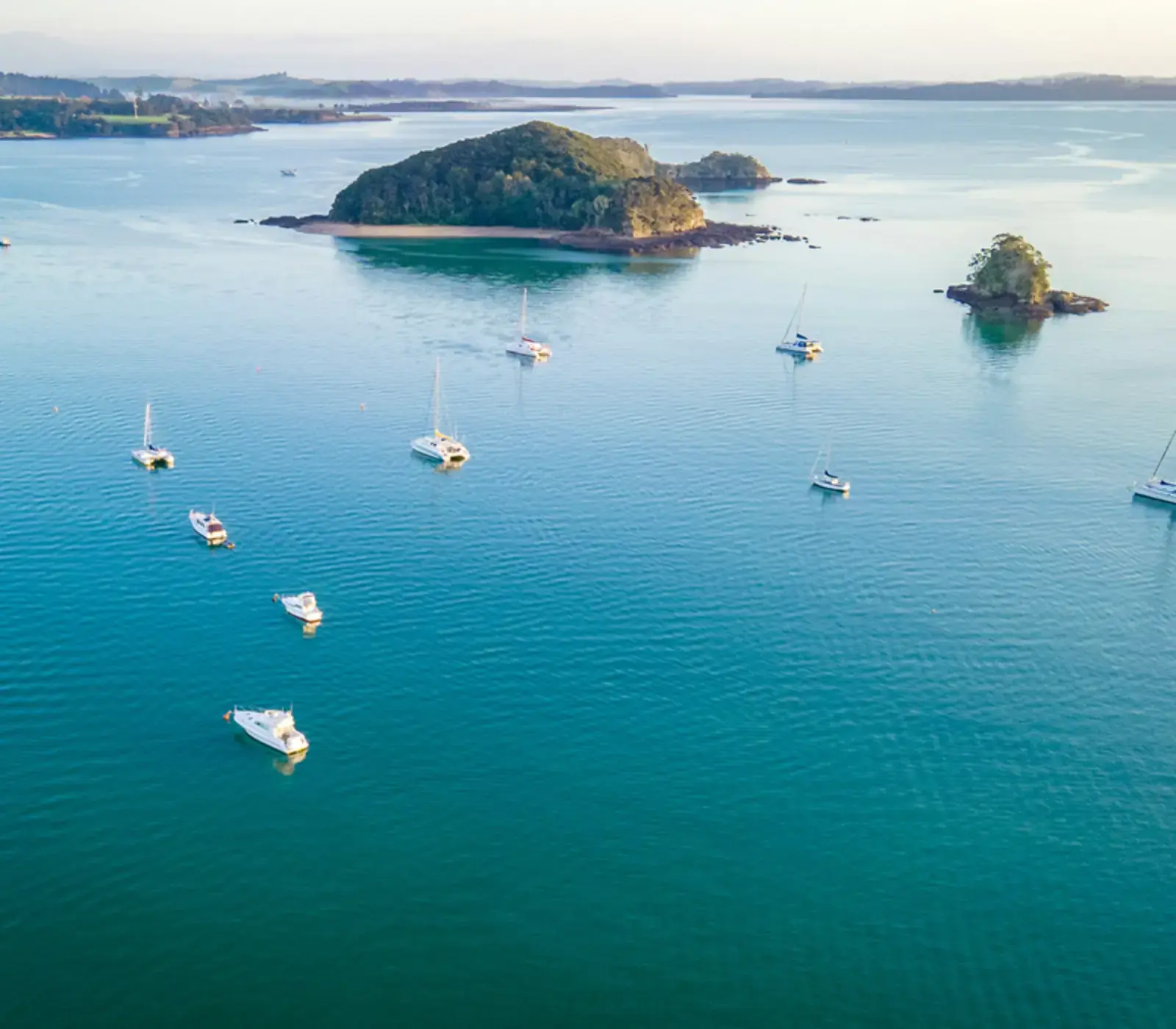
Bay of Islands and Rotorua Combo 5 Day Tour
5 days across the North Island, round trip out of Auckland, guided the whole way, luggage and logistics handled. Strong on family touring.
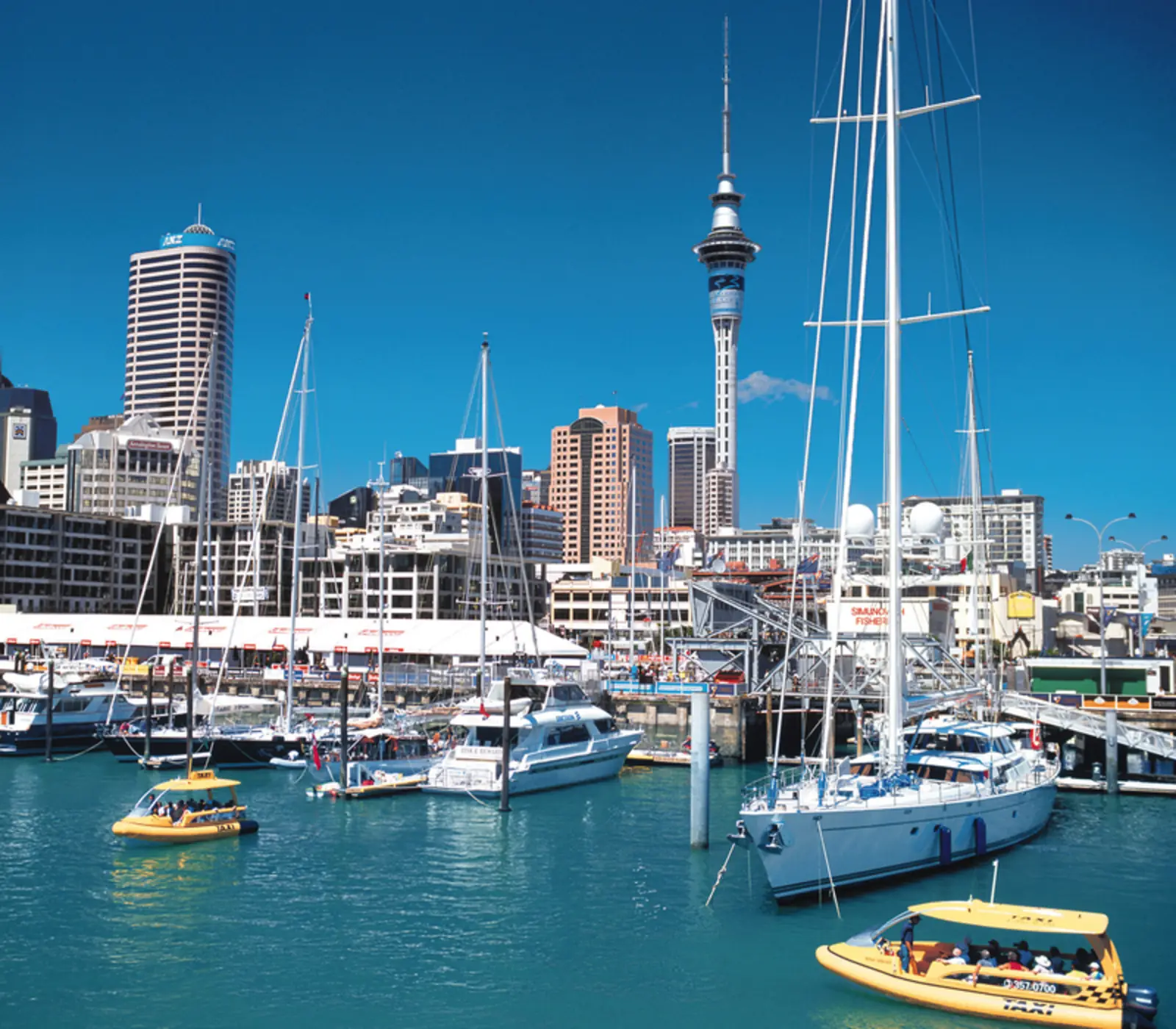
9 Day Signature North Island
9 days across the North Island, Auckland to Wellington, with a driver guide and everything arranged. Strong on guided coach tours.
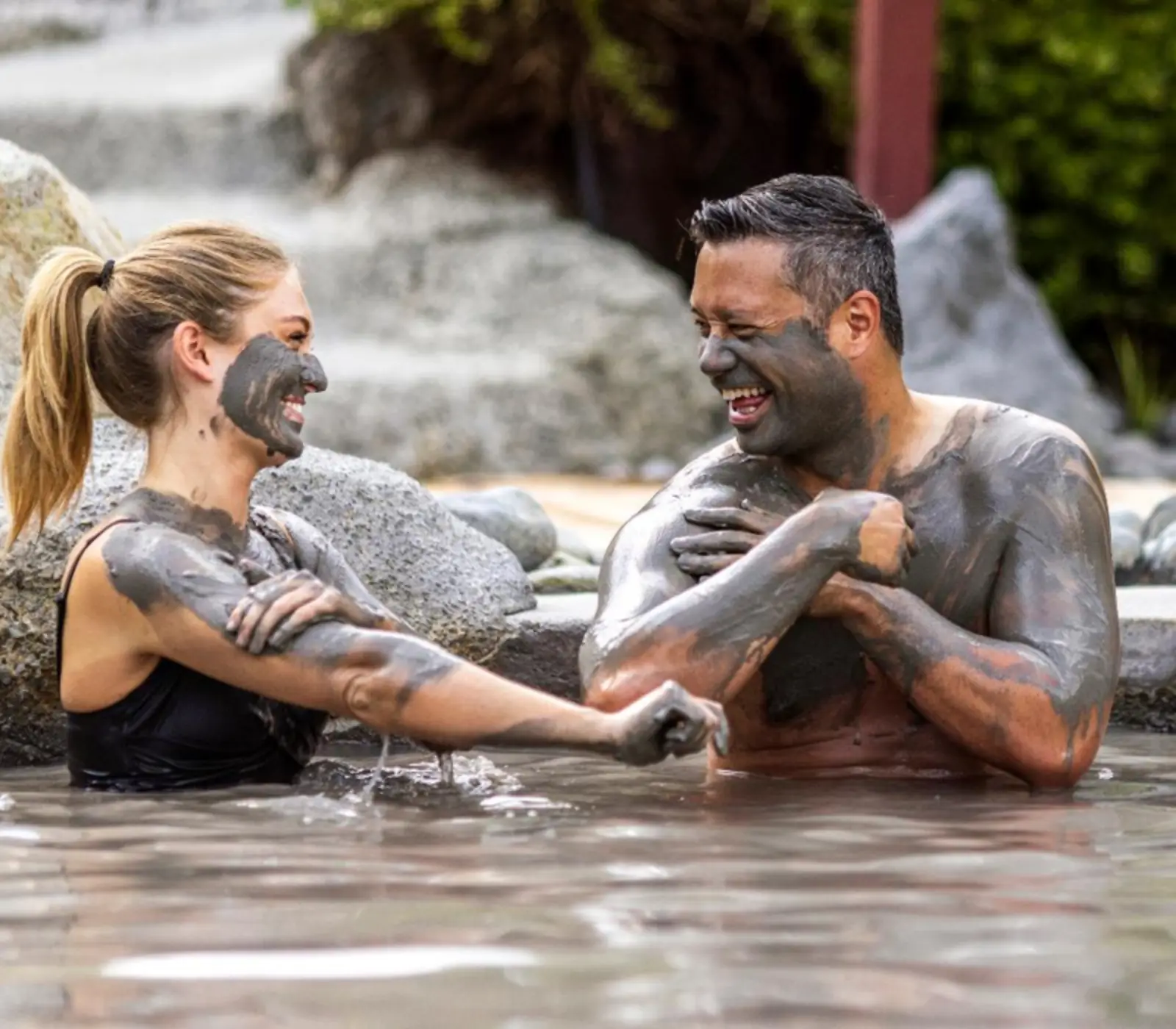
Stories of Aotearoa
22 days across both islands, from Auckland through to Christchurch, self drive, with every night booked ahead. Strong on food & wine.