When to go
Matariki: the midwinter new year, and how a visitor takes part
Matariki is the Maori name for the Pleiades, and its rising in the dawn sky in midwinter marks the Maori new year. Since 2022 it has been a public holiday, on a Friday set by the lunar calendar rather than a fixed date, which makes it the newest holiday in the country and the oldest calendar in it. For a visitor it is a long weekend of dawn ceremonies, city light festivals and the darkest skies of the year.
What Matariki means
The cluster disappears below the horizon in late autumn and reappears in the pre-dawn sky in June or July. Its return marks the end of the harvest year and the start of the new one: a time to remember the dead, to give thanks for the year past, and to plan the one ahead. Each of the nine stars traditionally holds a domain, from food from the sea to the winds, and the clarity of each star at its rising was read as a forecast for that domain.
It is the one holiday on the calendar that belongs to this place and nowhere else. Christmas and Easter arrived on ships; Matariki was here first.
How a visitor takes part
- A dawn ceremony. Cities and marae hold hautapu ceremonies at first light, and many are open to the public; Wellington, Auckland and Rotorua publish theirs each year.
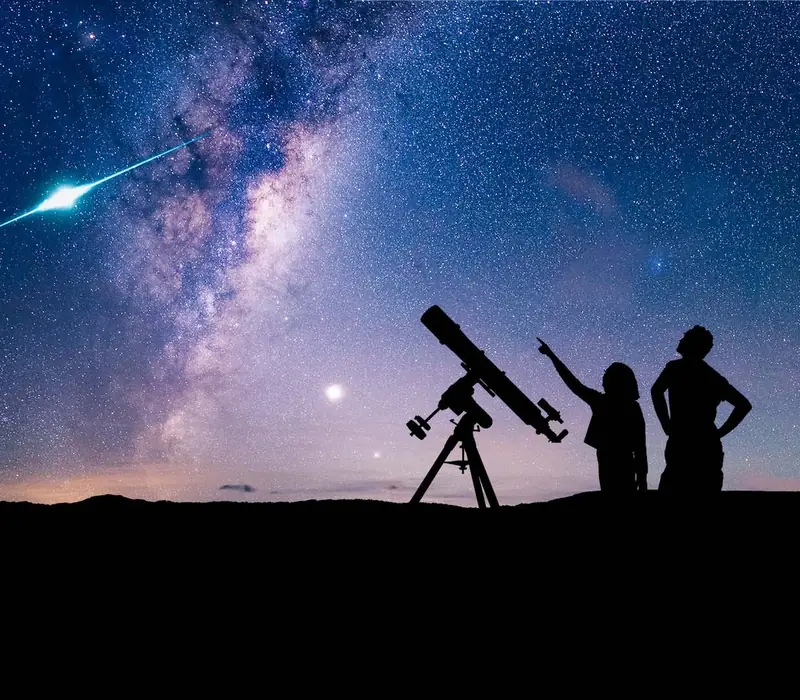
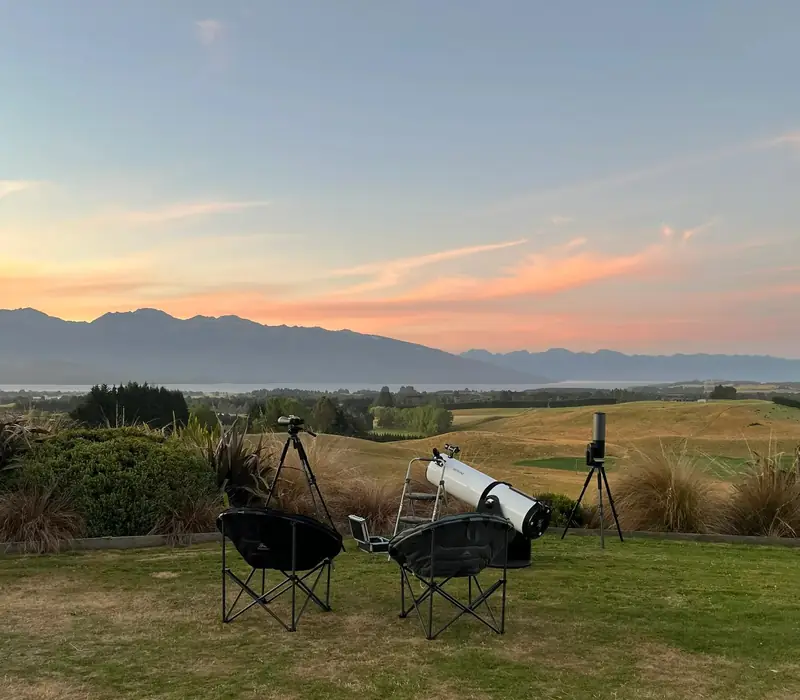
- The stars themselves. The cluster rises in the north-east about an hour before the sun. The Tekapo dark sky reserve, the Wairarapa and the Mackenzie basin are the places to see it with a guide who can name the nine.
- Light festivals. Auckland, Wellington and Christchurch run outdoor light installations and performances across the long weekend.
- Food. Matariki is a harvest festival at heart, and restaurants across the country run Matariki menus built on kai from the season.
Planning around it
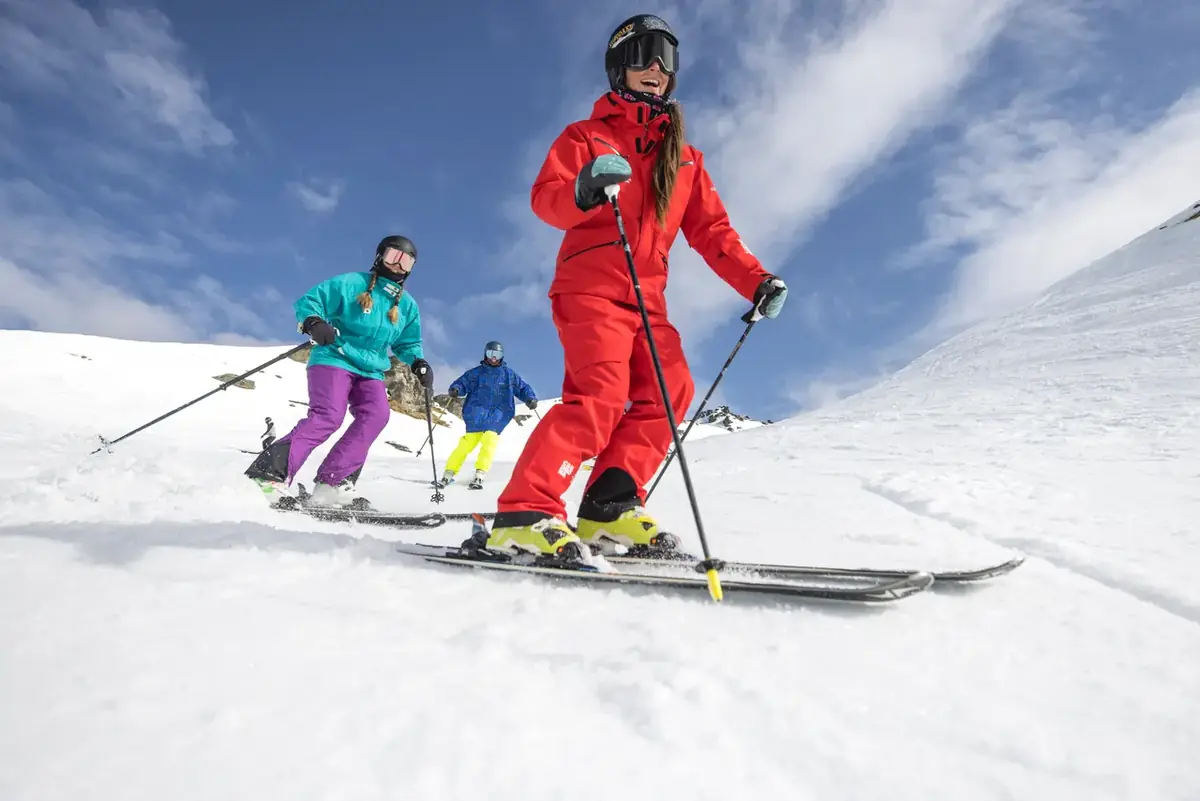
Matariki is a Friday, so it makes a long weekend, and in 2026 it fell inside the July school holidays. That combination filled Queenstown, Rotorua and Taupo for the weekend. In 2027 it moves to 25 June, before the holidays, which makes it the best Matariki weekend for a visitor in years: the ski fields freshly open, the town not yet full, and the darkest sky of the winter.
Shops open on the day, unlike Christmas, and public holiday surcharges apply in cafes and restaurants. Book the dark sky tours at Tekapo well ahead for the weekend; they are the first thing to go. The stargazing guide covers the reserves, and Maori culture for visitors covers how to arrive at a ceremony respectfully.
The trips that fit
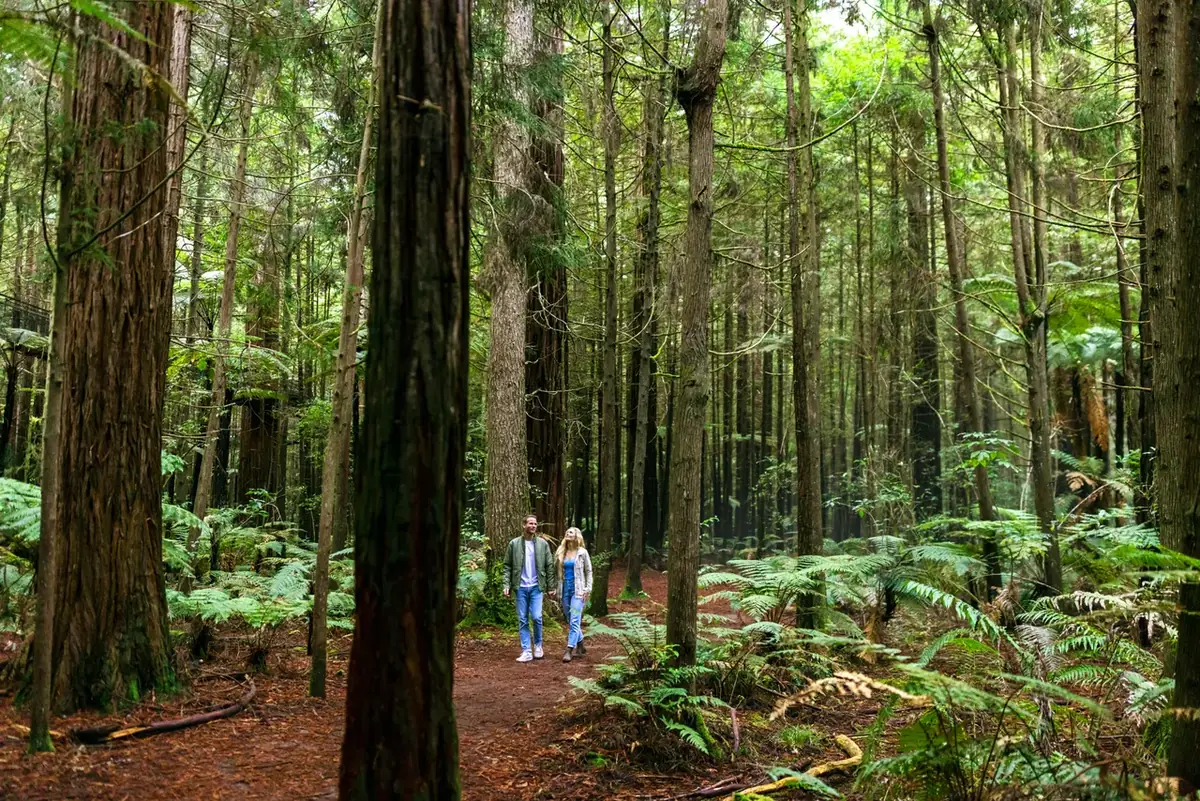
The New Zealand Stargazing Tour is 24 days built around the dark sky reserves and worth timing to the weekend; the 7 Night Queenstown Ski Package puts Matariki weekend on the mountain; and the New Zealand Explorer passes Rotorua and Wellington, where the ceremonies and lights are.
What Matariki looks like, night by night
The weekend has a shape. Friday is the holiday: a dawn ceremony for the early risers, a long breakfast, the light installations after dark. Saturday is the best night for the stars, with the dark sky tours at Tekapo running late and the observatories in the Wairarapa and on the Mackenzie open. Sunday is the shared meal, which in the cities means a Matariki menu and in the smaller places means a hangi. The cluster itself rises about an hour before the sun each morning, low in the north-east, and it needs a clear horizon rather than a dark sky; a lakefront or a beach facing north-east is enough.
Quick answers
Trips that fit
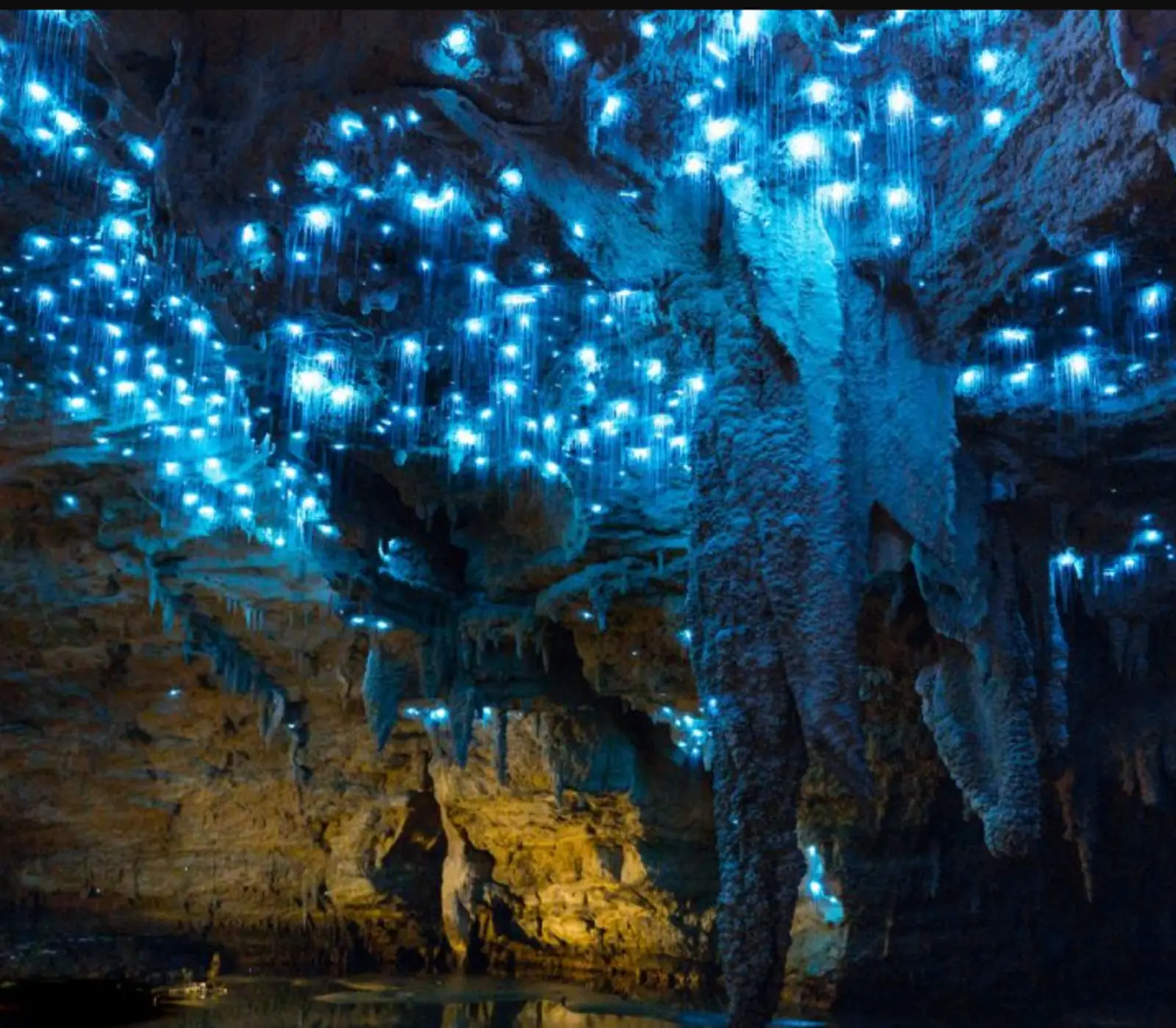
New Zealand Stargazing Tour
24 days across both islands, Auckland to Queenstown, at your own pace behind the wheel.

7 Night Queenstown Ski Package
8 days across the South Island, a loop from Queenstown, built around the winter season. Strong on ski packages.
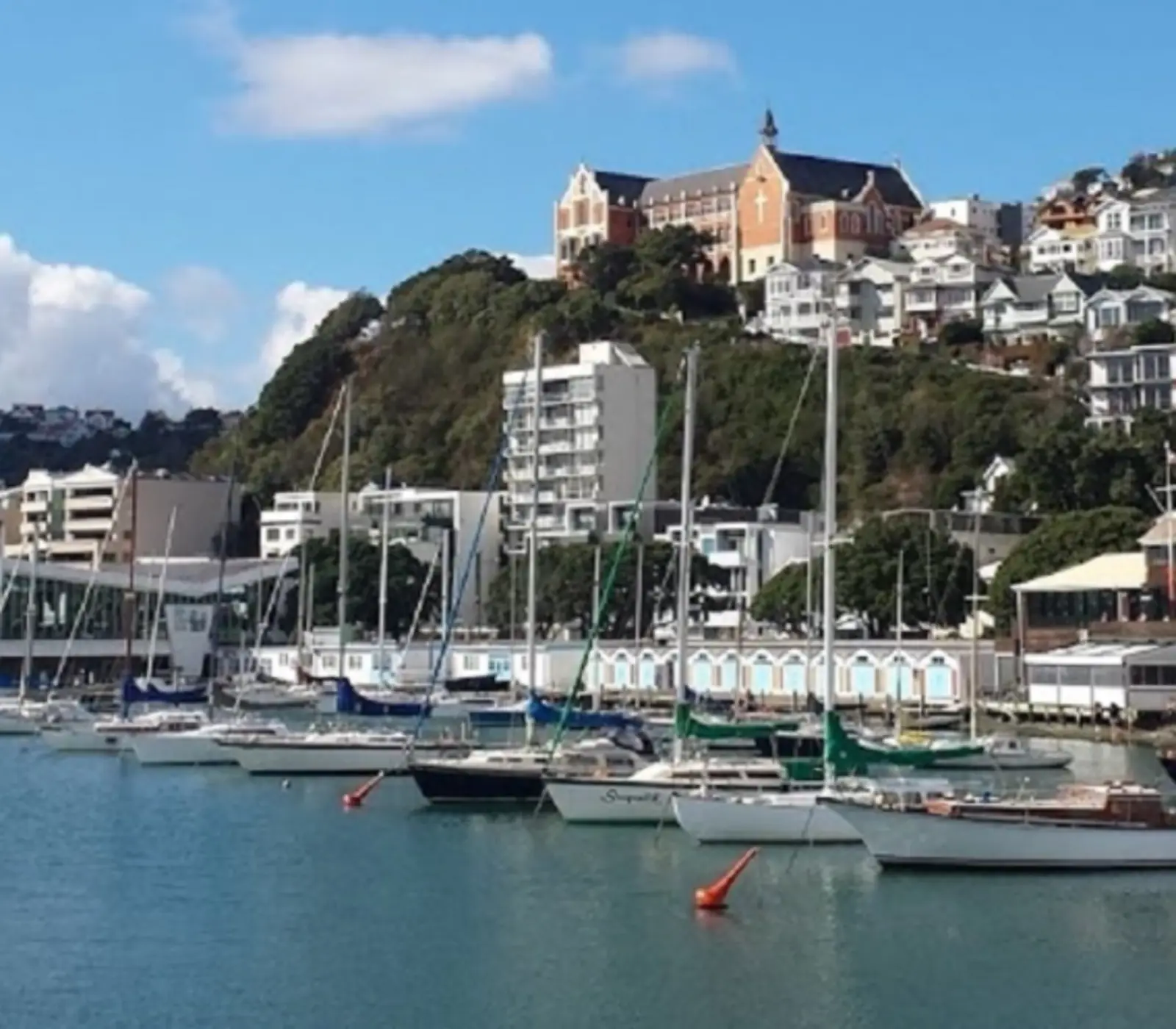
New Zealand Explorer
10 days across both islands, Auckland away to Queenstown, guided the whole way, luggage and logistics handled. Strong on family touring.